 Bradenton
 Metal Roofing Built for the Braden River Climate
Homes along the Braden River corridor in Bradenton sit in a tricky spot: close enough to the water to pick up salt-laden air, shaded by mature oak and pine canopy in many older neighborhoods, and squarely in the path of the wind-driven rain and hurricane-force gusts that roll through Manatee County most summers and falls. A roof here isn't just shedding rain — it's absorbing UV load nearly year-round, flexing under wind uplift, and fighting corrosion from moisture that never fully dries out between storms. Asphalt shingles can be made to work, but metal roofing is built to handle exactly this combination of stresses, which is why it's become the go-to upgrade for homeowners in this part of Bradenton who are tired of re-roofing every 15-20 years.
This page covers what a metal roof needs to do on a Braden River home specifically, what a correct installation actually involves, and how we approach these jobs as a crew that works this area regularly.
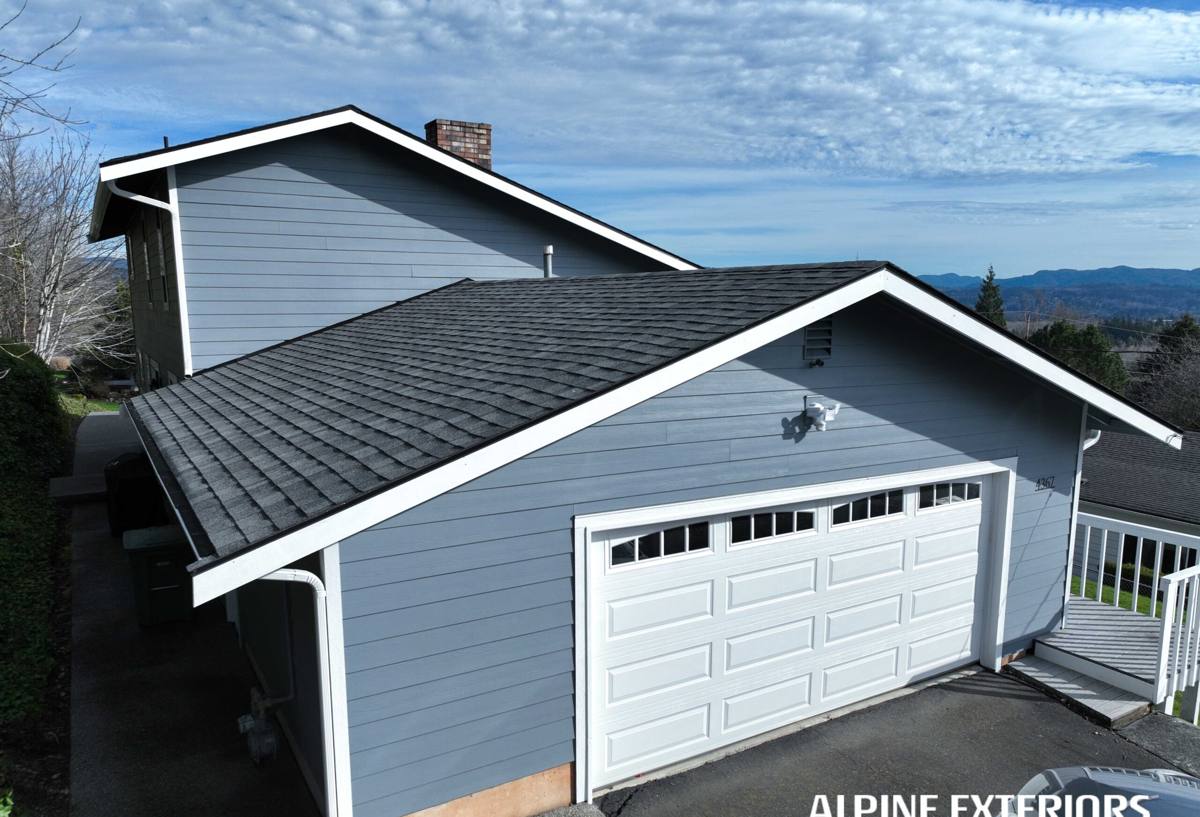
Why Metal Makes Sense for This Neighborhood
Three things define the Braden River roofing environment: wind, sun, and salt-tinged humidity. Metal roofing addresses all three in ways that matter for the long haul, not just on installation day.
Wind Performance
Manatee County sits in a high-wind design zone, and Braden River's mix of open lots and tree-lined streets means roofs take gusts from multiple directions during a tropical system. A properly installed metal roof — with the right fastening pattern and panel profile — carries a much higher wind uplift rating than typical shingle roofing, and it doesn't lose individual pieces the way shingles or tiles can when a gust catches an edge.
UV and Heat
Central Florida sun is hard on any roofing material, but metal reflects a significant portion of solar radiant heat rather than absorbing it, which helps attic temperatures and, over time, cooling costs. Unlike asphalt, metal doesn't granule-shed or become brittle from UV exposure the same way over a 20-30 year span.
Salt Air and Moisture
Homes closer to the river and points west toward the bay deal with airborne salt that accelerates corrosion on unprotected metal. This is a real factor in material selection — it's why fastener type, panel coating, and metal choice all matter more here than they would inland, and it's a big part of what separates a roof that looks good for five years from one that performs for decades.
Metal Roofing Systems We Install
Not every metal roof is the same system, and the right choice for a Braden River home depends on the roof's pitch, the look the homeowner wants, and budget.
Standing Seam
Standing seam panels use raised, interlocking seams with concealed fasteners — nothing penetrates the panel face. That makes it the strongest option against wind-driven rain and the most corrosion-resistant long term, since there are no exposed screw heads for water or salt air to work on over time. It's the system we recommend most often for full roof replacements in this area, especially on homes with lower-slope sections where wind-driven rain intrusion is more of a concern.
Exposed-Fastener Panels (5V, Corrugated)
Exposed-fastener systems cost less upfront and still perform well when installed correctly, but the screws penetrate the panel and rely on rubber washers that degrade over time — especially under intense Florida UV and salt exposure. These systems need their fasteners checked and occasionally replaced over the roof's life. We still install them when budget or roof style calls for it, but we're upfront with homeowners about that maintenance difference before they choose.
| Factor | Standing Seam | Exposed-Fastener |
|---|---|---|
| Fasteners | Concealed, floats with thermal movement | Exposed, fixed through the panel |
| Wind-driven rain resistance | Higher | Good, fastener-dependent |
| Long-term maintenance | Lower | Periodic fastener/washer checks |
| Typical upfront cost | Higher | Lower |
| Best fit | Low-slope sections, full replacements, salt-exposed lots | Budget-conscious projects, steeper roofs |
What a Correct Installation Actually Involves
Metal roofing rewards good installation and punishes shortcuts. A panel that looks identical to a neighbor's can perform completely differently depending on what's underneath it and how it was fastened.
Deck Inspection and Underlayment
Before any panel goes down, the deck needs to be sound — soft or water-damaged sheathing gets replaced, not covered over. We install a high-temperature synthetic or self-adhered underlayment rated for Florida heat, since standing seam panels in particular can drive deck temperatures higher than shingles, and cheaper felt underlayment can degrade under that heat faster than the metal above it.
Fastening and Wind Rating
Fastener spacing and clip type are what actually determine a metal roof's wind rating — not the panel alone. We follow manufacturer-engineered fastening schedules matched to the wind zone and roof geometry, which for most Braden River homes means tighter fastening at eaves, ridges, and rakes where uplift pressure concentrates during a storm.
Flashing and Penetrations
Every pipe boot, chimney, skylight curb, and wall transition is a place water can find its way in. Metal roofing requires flashing details specific to the panel profile — not generic shingle flashing adapted on the fly. This is one of the most common places we find problems on older or improperly installed metal roofs during inspections.
Ventilation
A metal roof still needs a properly balanced intake-and-exhaust ventilation system underneath it. Poor attic ventilation traps humid Florida air against the underside of the deck, which can cause condensation and wood decay regardless of how good the metal on top is.
Our Process for Braden River Projects
- Inspection and assessment — we get on the roof (or use elevated photography when access is limited by tree canopy) to check deck condition, existing ventilation, flashing points, and roof geometry.
- Written proposal — a clear scope covering panel system, underlayment, fastening approach, and flashing plan, with pricing broken out so there are no surprises.
- Permitting — we pull the Manatee County permit and handle inspections required for the work.
- Tear-off and deck repair — old roofing removed, deck inspected board by board, and any damaged sheathing replaced before underlayment goes down.
- Installation — underlayment, flashing, and panels installed per the fastening schedule for the site's wind zone.
- Final walkthrough — we review the finished roof with the homeowner and confirm everything matches the proposal before calling the job done.
What Drives the Cost of a Metal Roof Here
Every roof is different, so we don't quote off square footage alone — but these are the main factors that move price on a Braden River project:
| Factor | Why It Matters |
|---|---|
| Panel system chosen | Standing seam costs more upfront than exposed-fastener panels |
| Roof complexity | More valleys, hips, and penetrations mean more flashing labor |
| Deck condition | Rotted or water-damaged sheathing adds repair cost discovered at tear-off |
| Access and tree canopy | Mature trees near the roofline can require extra care or trimming coordination |
| Ventilation upgrades | Adding or correcting intake/exhaust venting during the tear-off |
| Panel gauge and coating | Heavier gauge and better coatings cost more but hold up longer against salt air |
Living With a Metal Roof in Braden River's Climate
Metal roofing is low-maintenance compared to shingles, but "low-maintenance" doesn't mean "no maintenance" — especially this close to the water. A short annual check catches small issues before they become expensive ones.
- Walk the roofline visually after major storms for loose or lifted panel edges
- Check exposed fasteners (if that system was used) for washer wear or backing-out screws every year or two
- Clear leaves and debris from valleys and gutters, especially on lots with heavy tree canopy
- Look for streaking or discoloration near flashing points, which can signal a developing leak
- Keep branches trimmed back from the roof surface to reduce scratching and debris buildup
- Rinse off heavy salt residue periodically if the home is close to open water
Why It Matters That We Already Work This Area
Braden River isn't a generic roofing job. The wind zone requirements, the permitting process through Manatee County, the tree canopy that affects access and staging, and the salt exposure that shapes material choices are all specific to this stretch of Bradenton. A crew that works here regularly already knows the local permitting steps, has a feel for how different lots in the area handle wind and moisture, and isn't learning these details for the first time on your roof. That familiarity shows up in fewer surprises, tighter timelines, and a job built to actually hold up through the next storm season — not just pass a photo inspection on day one.
Get a Free, No-Pressure Estimate
If you're weighing metal roofing for a Braden River home — whether it's a full replacement or you're comparing standing seam against other options — we're glad to walk the roof, answer questions honestly, and put together a clear written estimate. No pressure, no pushy sales tactics. Fill out the form below and we'll get in touch to schedule a time.