 Bradenton
 Braden River homes take a beating that most of the country never has to think about. Between the intense subtropical sun, the humidity that never really lets up, the salt-laden air drifting in off the coast, and the wind-driven rain that comes with every serious storm, windows here work harder than almost any other component of the house. When a window is doing its job right, it's quietly managing all of that at once — blocking heat, sealing out moisture, and standing up to wind pressure — without you ever having to think about it. When it's not, you feel it in your energy bills, your comfort, and eventually in water stains or soft spots around the frame.
This page is specifically about energy-efficient window replacement and installation for homes in and around Braden River, in Manatee County. We're not going to give you a generic rundown of window brands. We're going to walk through what actually matters for this specific area's climate, what a correctly done installation looks like, and why the details of that installation matter more than the marketing on the box the window came in.
What Braden River's Climate Actually Demands From a Window
Manatee County sits in a zone where homes deal with four distinct stresses on their windows, often all in the same week:
- Intense, near-constant UV exposure. Florida sun degrades inferior seals, frames, and glass coatings faster than in almost any other state. Cheap or aging windows will show it first in fading trim, brittle gaskets, and a noticeable increase in indoor heat gain.
- Wind-driven rain. It's not just about keeping rain out when it's falling straight down — it's about keeping it out when a storm is pushing it sideways into the frame at speed. This is where installation quality matters as much as the window itself.
- Salt air. Even homes that aren't waterfront get some exposure to salt in the air moving inland off Tampa Bay and the Gulf. Salt accelerates corrosion on hardware, fasteners, and lesser-grade metal components.
- Hurricane-force wind loads. Windows in this part of Florida need to meet real structural standards, not just look sturdy. This affects glass thickness, frame reinforcement, and anchoring method.
A window that's efficient in a mild climate but not built for these four things will underperform here, sometimes within just a few years.
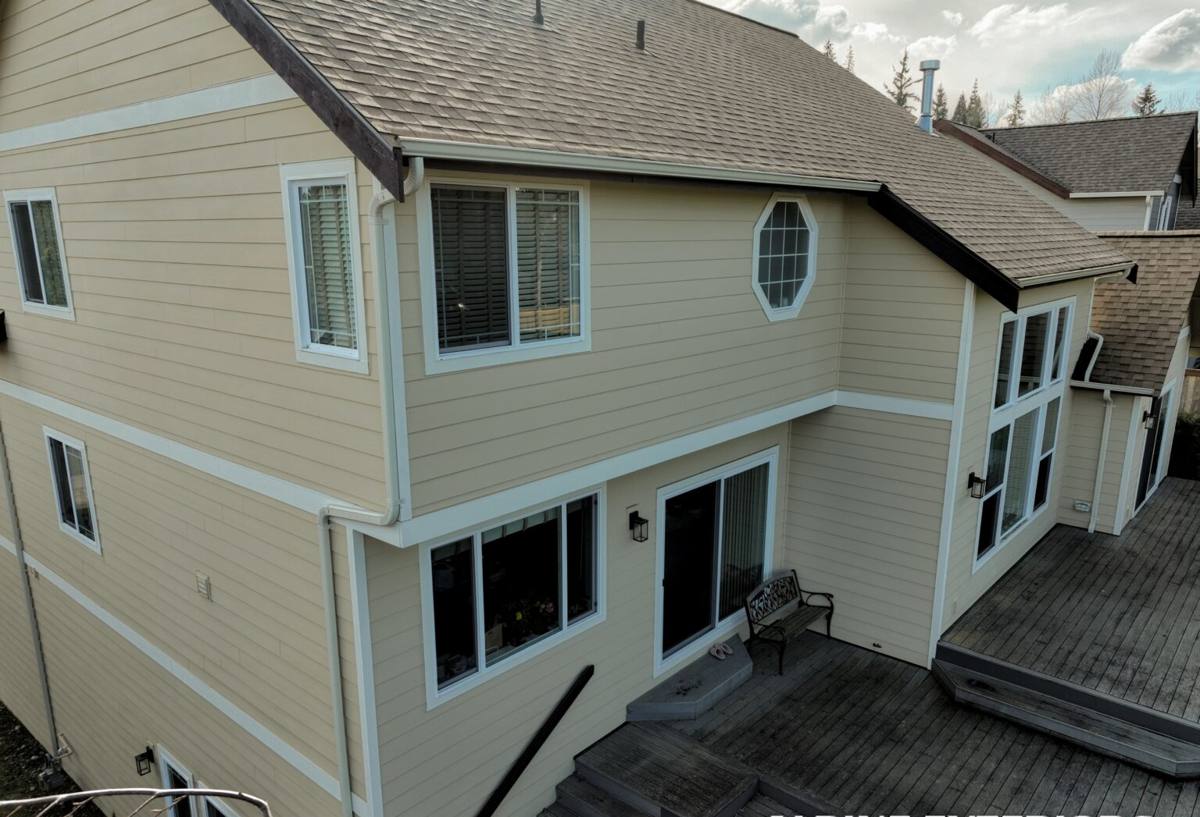
Why "Energy-Efficient" Means Something Different Here Than Up North
In a lot of the country, energy-efficient windows are mostly about keeping heat in during winter. In Bradenton, the job is almost the opposite: keeping heat and humidity out for most of the year, while your air conditioning runs constantly to compensate. That changes what actually matters in a window:
Solar Heat Gain Coefficient (SHGC) Matters More Than R-Value Alone
A low SHGC rating tells you how much solar heat the glass blocks from entering your home. For Braden River, this is often more important day-to-day than insulation value alone, because the bigger problem most of the year is heat coming in, not escaping. Windows facing west and south in particular benefit from glass engineered to cut solar heat gain without darkening the room more than necessary.
Low-E Coatings Do Real Work Here
Low-emissivity coatings reflect infrared heat while still letting visible light through. In this climate, that's the difference between a sunroom that's usable in the afternoon and one that isn't. It also reduces UV transmission, which helps protect flooring, furniture, and window treatments from fading over time.
Frame Material Has to Survive Humidity and Salt, Not Just Insulate
A frame that insulates well but degrades in humid, salty air isn't actually efficient long-term — it just fails before it should. We evaluate frame options based on how they hold up to Gulf Coast conditions specifically, not just their lab-tested insulation numbers.
What a Correct Installation Actually Involves
The window unit itself is maybe half the equation. The other half is installation, and this is where most performance and durability problems actually originate — not in the product, but in how it went in.
- Opening inspection. Before anything goes in, we check the existing rough opening for water damage, wood rot, or settling that needs to be addressed first. Installing a new window into a compromised opening just hides a problem instead of fixing it.
- Proper flashing and moisture barrier integration. This is the single most important step for wind-driven rain resistance. Flashing has to be layered correctly with the home's existing weather barrier so water is directed out, not trapped behind the wall.
- Correct fastening for wind load. Impact-rated and high-wind-zone windows have specific fastening patterns and anchor requirements. Skipping or shortcutting this is one of the most common ways a window fails during a storm, even if the glass itself is rated correctly.
- Sealing with the right materials. Sealants and gaskets need to be UV-stable and rated for exterior exposure in hot, humid climates — not general-purpose caulk that will crack and shrink within a couple of Florida summers.
- Interior and exterior finish work. Trim, sills, and interior finishing are done last, so nothing is rushed or covering up an unfinished seal.
Comparing Common Window Options for This Climate
| Factor | Standard Double-Hung | Impact-Rated Double-Hung | Impact-Rated Casement |
|---|---|---|---|
| Wind/impact resistance | Depends on separate shutters | Built-in, no shutters needed | Built-in, often highest resistance |
| Solar heat control | Good with Low-E upgrade | Good with Low-E upgrade | Good with Low-E upgrade |
| Maintenance in salt air | Moderate — check hardware yearly | Moderate — heavier hardware, still needs checks | Lower — fewer moving tracks to corrode |
| Typical upfront cost | Lowest | Moderate to higher | Higher |
| Ventilation flexibility | Good | Good | Excellent (full sash opens) |
There's no universally "best" option here — the right call depends on the specific elevation of the house, sun exposure, and whether the home currently relies on separate storm shutters or protection.
Our Process for Braden River Homeowners
Because we already work in this area regularly, our process is built around what actually comes up in Manatee County homes rather than a one-size-fits-all script.
1. On-Site Assessment
We look at each opening individually — sun exposure, current frame condition, signs of past water intrusion, and existing wind mitigation features. Windows on the same house can have very different needs depending on which direction they face.
2. Straightforward Product Recommendations
We'll walk you through the real trade-offs between options — cost, wind rating, glass performance, and maintenance — without steering you toward whatever has the best markup. If a lower-cost option genuinely fits the situation, we'll say so.
3. Scheduled, Weather-Aware Installation
Window replacement involves open wall sections during the process. We plan installation timing around forecasts so openings aren't left exposed longer than necessary, which matters in a region where afternoon storms are a near-daily possibility for parts of the year.
4. Final Inspection and Walkthrough
Before we consider a job finished, we check seals, operation, and finish work together with you, so you know exactly what was done and what to expect going forward.
Signs Your Current Windows Are Costing You More Than You Realize
- Rooms that feel noticeably hotter than others, especially on the west or south side of the house
- Condensation forming between panes, which usually means a failed seal
- Visible daylight or airflow around the frame when the window is closed
- Difficulty opening, closing, or locking that's gotten worse over time
- Fading fabric, flooring, or furniture near windows that get direct sun
- A noticeable jump in cooling costs without a clear explanation
- Frame discoloration, chalking, or brittleness from years of UV exposure
Any one of these on its own isn't necessarily urgent, but a few of them together usually means the windows are past the point where they're actually helping your home's efficiency.
Maintenance That Actually Extends Window Life Here
Even a well-installed, high-quality window benefits from basic upkeep in this climate. A few habits make a real difference over the years:
- Rinse frames and tracks periodically to clear salt residue, especially for homes closer to the water
- Check and clean weep holes so water has a clear path to drain out instead of pooling
- Inspect exterior sealant annually for cracking or shrinkage, particularly after a hot summer
- Operate hardware (locks, cranks, latches) a few times a year even on windows you don't open often, so components don't seize
Why Local Experience Matters More Than It Sounds Like It Should
A lot of window installation problems in this region don't come from a bad product — they come from an installer who doesn't have a feel for how Gulf Coast humidity, sun angle, and storm patterns actually behave against a house over time. A crew that regularly works in Braden River and the surrounding Bradenton area already knows which orientations tend to take the worst sun, how local wind exposure varies block to block, and what a compliant install actually needs to look like for this part of Manatee County — not just on paper, but in practice. That local pattern recognition is hard to substitute with a generic install checklist.
If you're weighing whether it's time to replace aging windows, dealing with a room that never seems to cool down, or just want a straight answer about what would actually help your home's efficiency, we're happy to take a look. We offer free, no-pressure estimates — use the form below to get started.