 Bradenton
 Board & Batten on a Barrier Island Home
Board and batten is one of the most requested siding profiles on Anna Maria Island, and it's easy to see why. The vertical lines read as classic coastal Florida — clean, simple, and a good match for the raised cottages, stilt homes, and beach bungalows that make up Holmes Beach. But the look is only half the story. On a barrier island a few blocks from the Gulf, the siding underneath that profile has to survive conditions that inland Manatee County homes never see: constant salt-laden air, direct sun exposure with almost no seasonal break, wind-driven rain that gets pushed sideways into wall assemblies, and the real possibility of a hurricane-force wind event in any given season.
This page is about doing board and batten correctly for a Holmes Beach home — not just installing a style, but installing a wall system that's built for where it sits.
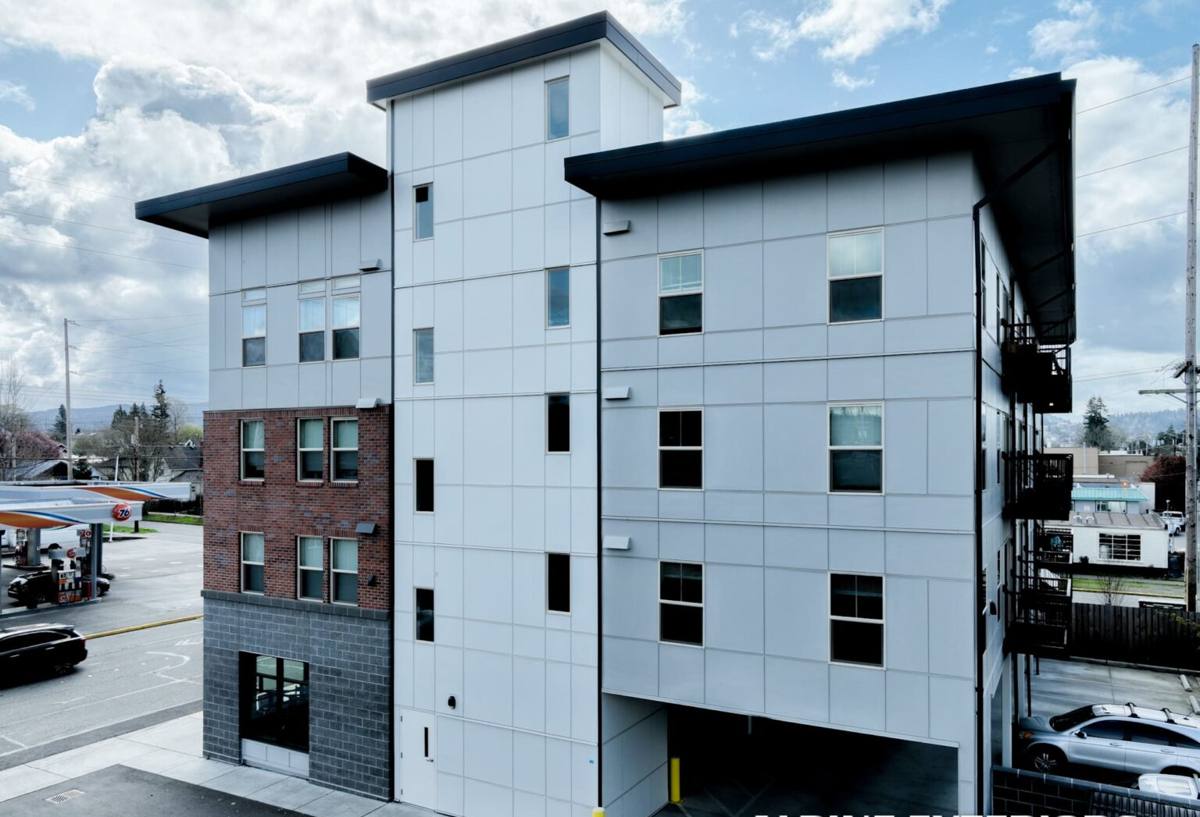
What Holmes Beach's Climate Actually Does to Siding
Every coastal Bradenton-area home deals with the same handful of stresses, but they hit harder the closer you get to the water — and Holmes Beach sits about as close as you can get.
Salt Air
Airborne salt is corrosive to fasteners, trim accessories, and any siding material that isn't rated to handle it. Over years, unprotected metal fasteners can corrode from the inside of the wall assembly out, long before the visible siding shows a problem. This is why fastener spec matters as much as the siding material itself.
UV Exposure
Florida sun is intense nearly year-round, and a barrier island home gets it from multiple angles — direct sun plus reflected glare off water and light-colored pavement. Paint films that aren't factory-cured to resist UV will chalk, fade, and crack noticeably faster here than in a shaded inland lot.
Wind-Driven Rain
Rain in a coastal storm doesn't fall straight down — it's pushed horizontally into the wall. Any siding installation that relies on caulk alone, or that skips proper flashing and drainage detailing, will eventually let water behind the cladding. Board and batten, with its many vertical seams and batten strips, has more places for water to find a way in if it isn't installed with real attention to water management.
Hurricane-Force Wind
Manatee County requires wall assemblies and fastening schedules that are engineered for high local wind loads, and a barrier island exposure is about as demanding as it gets. Siding has to be fastened to hold under sustained wind, not just look good on a calm day.
What a Correct Board & Batten Installation Involves
Board and batten looks simple from the curb — vertical boards with a strip covering each seam — but the assembly behind it is what determines whether it lasts 10 years or 40. On a Holmes Beach home, we treat each of the following as non-negotiable:
- A drainage plane (weather-resistive barrier) installed and lapped correctly behind the siding, so any moisture that does get past the cladding has somewhere to go
- A rainscreen air gap where the assembly calls for one, so the wall can dry out instead of trapping moisture against the sheathing
- Corrosion-resistant fasteners — stainless steel or equivalently rated — sized and spaced to the manufacturer's coastal/high-wind fastening schedule, not a generic inland schedule
- Proper flashing at every window, door, roofline, and penetration, installed before the siding goes on, not caulked in afterward
- Correct clearance between the bottom of the siding and grade, decks, or roofing, so board ends aren't sitting in standing water or splash-back
- Manufacturer-specified gaps and sealant at butt joints, so the assembly can handle Florida's temperature and humidity swings without cracking
Skip any one of these and the siding can still look right for a year or two. The failures that show up later — soft trim, streaking, fastener bleed, or moisture behind the wall — almost always trace back to a shortcut taken at the point of installation, not a flaw in the material.
The James Hardie Board & Batten Systems We Install
We install James Hardie fiber cement exclusively, and for board and batten that generally means one of two approaches: HardiePanel vertical siding with HardieTrim battens over the seams, or the Artisan Collection for a more refined, tighter-reveal look on higher-end homes. Both are non-combustible fiber cement, engineered in Hardie's HZ10 product line for the Gulf Coast's humidity and moisture exposure, and finished with the factory-applied ColorPlus finish — a baked-on coating that resists Florida UV and salt air far better than a field-applied paint job, and comes backed by its own finish warranty separate from the substrate warranty on the siding itself.
We don't install vinyl board and batten, engineered wood panel systems, or unfinished primed board and batten on Holmes Beach projects. Those products can perform fine in the right climate, but this is a barrier island — and we'd rather put one material on the wall that we know is engineered for salt air, UV, and wind than manage the trade-offs of something that wasn't.
Material Comparison for Coastal Board & Batten
| Factor | James Hardie Fiber Cement | Vinyl Board & Batten | Engineered Wood Panel |
|---|---|---|---|
| Combustibility | Non-combustible | Combustible | Combustible |
| Salt air / corrosion resistance | Rated for coastal exposure (HZ10) | Doesn't corrode, but can become brittle and crack under UV/salt cycling over time | Vulnerable if moisture reaches the wood core |
| UV / fade resistance | Factory ColorPlus finish, separately warranted | Color is through-body but can fade and chalk | Field-applied paint, needs recoating on a schedule |
| Wind performance | Rated for high-wind fastening schedules | Can deform or blow off in sustained high wind | Adequate when installed and fastened to spec |
| Moisture behavior | Dimensionally stable, engineered for humid climates | Doesn't absorb water, but seams can allow water intrusion | Wood core is moisture-sensitive if the finish fails |
| Warranty | Long-term, transferable | Varies by manufacturer | Typically shorter, often voided by moisture damage |
None of this means the alternatives are bad products in every setting. It means that for a home sitting this close to the Gulf, we've made a professional judgment call to standardize on the material with the strongest track record for this exact combination of salt, sun, and wind.
What Affects the Cost of a Board & Batten Job Here
Every Holmes Beach home is a little different, and we'll never give a real number without seeing the house, but the cost factors are consistent:
| Factor | Why It Matters |
|---|---|
| Wall condition underneath the existing siding | Rot, moisture damage, or failed sheathing found during tear-off adds repair scope |
| Batten spacing and reveal width | Tighter reveals and custom spacing take more labor and material than standard spacing |
| Trim and corner detailing | Board and batten lives or dies on clean corners, window returns, and transitions — more detailing means more time |
| Home elevation and access | Stilt and raised coastal homes often need staging or lift access that ground-level homes don't |
| Color selection | Factory ColorPlus finishes vary in cost slightly by color and sheen; primed-only options are cheaper up front but need field painting |
Our Process for a Holmes Beach Project
- On-site assessment. We look at the existing wall assembly, note any moisture or rot, check the home's elevation and wind exposure, and talk through batten spacing and color with the homeowner.
- Tear-off and inspection. Old siding comes off and we inspect the sheathing and framing underneath before anything new goes up. Any soft or damaged wood gets addressed before we move forward — not covered over.
- Water management first. Weather-resistive barrier, flashing at every opening, and the drainage detailing get installed and inspected before a single piece of Hardie siding goes on the wall.
- Installation to Hardie's coastal fastening spec. Corrosion-resistant fasteners, correct spacing, correct clearances at grade and roofline, and manufacturer gaps at every joint.
- Final walkthrough. We check reveals, corners, caulking, and trim with the homeowner before calling the job finished.
Why a Local Bradenton Crew Matters for a Barrier Island Home
Holmes Beach and the rest of Anna Maria Island come with logistics that an inland Manatee County or out-of-area crew doesn't deal with day to day — limited bridge access, tighter lots, parking and staging constraints, and permitting that runs through the City of Holmes Beach on top of county requirements. A crew that already works this area knows the wind load and fastening requirements that apply here, has already worked through the permitting process for similar homes, and isn't learning barrier island logistics on your project. That familiarity shows up in fewer surprises and a smoother schedule, not just a nicer-sounding sales pitch.
It also matters after the install. A local crew is the one you can actually call if a question comes up two years down the road — not a company that did one job on the island and moved on.
Maintenance: What to Expect After Installation
James Hardie board and batten is low-maintenance, not no-maintenance, especially this close to the Gulf. A simple annual routine keeps it performing the way it should:
- Rinse salt residue off the siding periodically, especially on Gulf-facing walls
- Walk the perimeter after major storms and check caulking at trim and penetrations
- Keep irrigation heads and sprinklers from spraying directly on the siding, which accelerates mineral buildup
- Watch for any soft spots at the base of boards near grade, decks, or downspouts
- Repaint only if you chose a primed (non-ColorPlus) option — ColorPlus finishes are not meant to be repainted on a routine schedule
If you're weighing board and batten for a Holmes Beach home, we're happy to take a look and give you a straight assessment — what your walls need, what a correct installation involves, and a real number to work from. The estimate is free and there's no pressure attached; use the form below to get started.