 Bradenton
 Board & Batten Siding for Bayshore Gardens Homes
Bayshore Gardens sits along Sarasota Bay on the west side of Bradenton, and homes here take a different kind of weathering than houses further inland. The bay brings salt-laden air and near-constant breeze, and that combination is hard on siding materials that aren't built for it. Board and batten — the vertical-plank look with raised battens covering the seams — has become a popular choice for homeowners here who want a coastal, craftsman, or modern farmhouse look on their exterior. Done right, it's also one of the more durable siding profiles available, because the vertical orientation sheds water differently than horizontal lap siding and the batten strips add a second layer of seam protection.
This page covers what board and batten siding actually needs to hold up in Bayshore Gardens specifically, what a correctly installed job looks like, and why we install it exclusively in James Hardie fiber cement rather than the wood, vinyl, or engineered wood alternatives some contractors still offer.
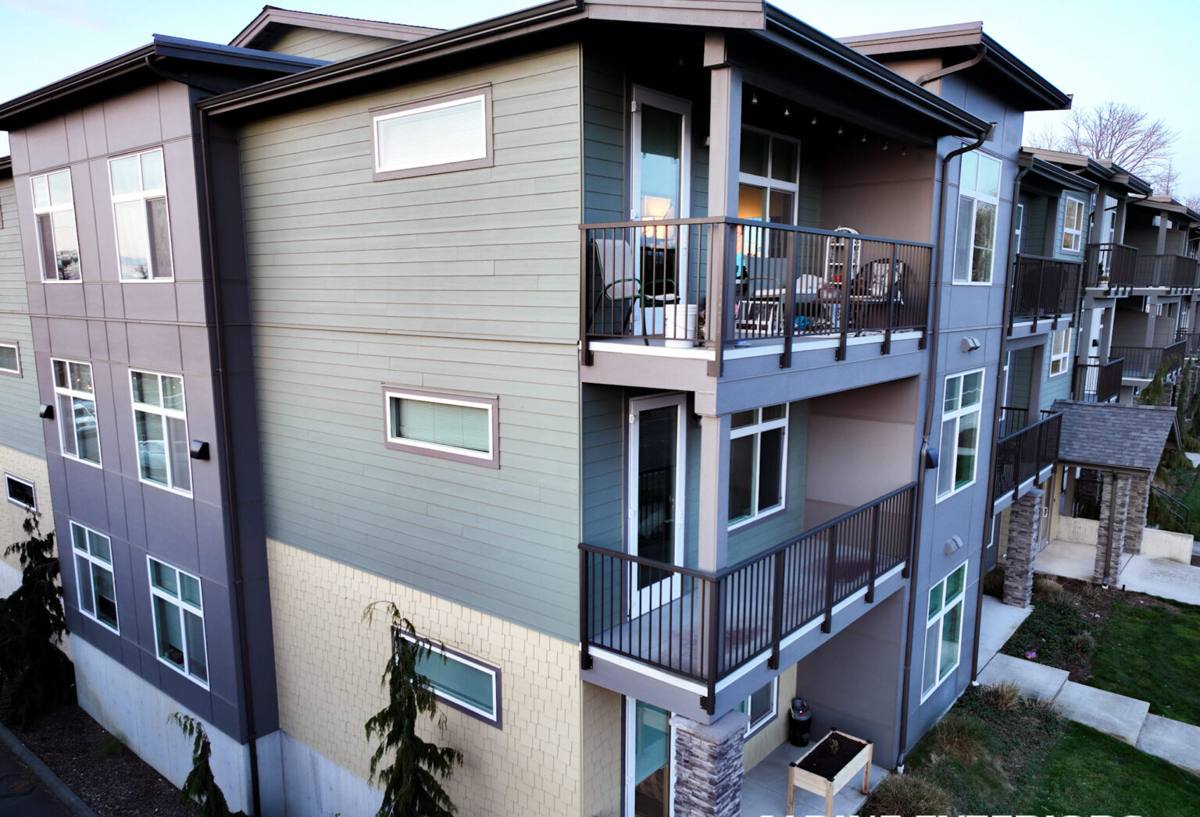
What Bayshore Gardens' Climate Does to Vertical Siding
Manatee County's coastal position means siding on Bayshore Gardens homes deals with several stresses at once, and they compound each other over the life of the material.
Sun and UV Exposure
Florida gets sun year-round, not just in summer, and UV breaks down pigments and surface coatings steadily over time. Paint on wood or engineered wood siding chalks and fades faster here than in most of the country, which means repainting cycles come around sooner than homeowners expect when they first budget for a siding job.
Wind-Driven Rain and Moisture
Storms in this part of Florida rarely deliver rain straight down. Wind pushes it sideways and up under laps, trim, and seams — exactly the joints that board and batten relies on to look right. If those joints aren't flashed and caulked correctly, water gets behind the siding and the substrate underneath starts to suffer long before anything looks wrong from the street.
Salt Air and Coastal Corrosion
Bayshore Gardens' bayfront position means airborne salt reaches homes even several blocks from the water. Salt accelerates corrosion of exposed fasteners and metal flashing, and it interacts with certain paints and wood fibers in ways that speed up deterioration compared to siding installed further inland.
Hurricane Wind Loads
Manatee County sits in a wind zone where siding attachment isn't just cosmetic — it's structural. Panels and battens need to be fastened to a schedule that accounts for design wind pressure, not just "close enough" nailing. Loose or under-fastened board and batten is one of the first things to peel off a house in a tropical storm or hurricane, and once it goes, the sheathing and house wrap underneath are exposed to wind-driven rain with nothing protecting them.
Why Board & Batten Works — and Where It Fails
The Board & Batten Look
The appeal is straightforward: clean vertical lines, a strong shadow reveal at each batten, and a look that reads as more custom than standard lap siding. It pairs well with gable accents, porch surrounds, and full-facade applications, and it's a profile that photographs well and holds resale appeal in Florida coastal neighborhoods.
Common Failure Points When Installed Incorrectly
Board and batten has more seams per square foot than horizontal lap siding, and every batten strip is another place where fasteners penetrate the weather barrier. When installers rush the layout, use undersized fasteners, skip proper flashing at penetrations, or fail to account for expansion and contraction, the result is trapped moisture behind the panels — often invisible until rot, mold, or fastener failure shows up years later. This is the profile where installation quality matters more than the material choice, because a well-installed lower-grade product will usually outperform a premium product installed carelessly.
Why We Install Board & Batten Only in James Hardie Fiber Cement
We do not offer board and batten in vinyl, LP SmartSide, primed wood, or cedar. That's a deliberate standard, not a lack of options.
Vinyl board and batten looks the part from a distance but is a thin extruded plastic that can warp in direct Florida sun, crack in cooler snaps, and rattle loose under sustained wind — and once a panel fails, it's rarely a clean single-piece repair. Primed wood and cedar are handsome but demand a repainting and caulking schedule that's tough to keep up with in this climate, and any gap in that maintenance lets moisture into a material that rots. Engineered wood products like LP SmartSide use a wood-strand core that performs well in many climates but is more sensitive to sustained moisture exposure at cut edges and seams than fiber cement — a real concern on a profile with this many seams, in a location that gets this much wind-driven rain.
James Hardie's vertical siding (HardiePanel with Hardie batten strips, or HardieTrim battens over HardiePanel) is fiber cement — sand, cement, and cellulose fibers, non-combustible, and dimensionally stable in heat and humidity. It's engineered in an HZ5 formulation for Florida's climate zone specifically, meaning the product line is designed for the moisture and humidity exposure this region delivers rather than a generic national spec. Finished in ColorPlus factory-applied coating, it holds color far longer than field-applied paint because the finish is baked on under controlled conditions before it ever reaches the jobsite, and it carries a strong transferable limited warranty when installed to Hardie's published specifications.
What Correct Installation Involves
The material is only half the equation. The install has to be done to spec for the warranty to mean anything and for the siding to actually perform in a storm.
| Install Element | What Correct Looks Like | What Goes Wrong Without It |
|---|---|---|
| Fastener spec | Corrosion-resistant fasteners, correct length and gauge, spaced to Hardie's wind-zone fastening schedule | Fasteners back out or shear under wind load; panels lift or detach |
| Batten attachment | Battens fastened through to framing or properly blocked substrate, not just face-nailed to the panel | Battens work loose, exposing seams to wind-driven rain |
| Flashing at penetrations | Proper head flashing over windows, doors, and any wall penetration before siding goes on | Water tracks behind siding at every penetration, rotting sheathing over time |
| Weather barrier | Continuous house wrap or building paper, lapped correctly, sealed at seams | Gaps become entry points for moisture that has nowhere to drain out |
| Clearance and drainage | Bottom edge held clear of grade, roofing, and hard surfaces per code | Wicking moisture at the base leads to swelling and premature failure |
| Caulking and sealant | Factory-approved sealant at trim and butt joints only where Hardie specifies | Over-caulking traps moisture instead of letting the assembly dry |
Our Process for Bayshore Gardens Projects
Every board and batten job we take on in this neighborhood follows the same sequence, because skipping steps is where problems start.
- Site walk and existing condition check — we look at the current siding, sheathing, and any signs of past moisture intrusion before quoting anything.
- Measurement and layout plan — batten spacing and panel layout are planned around the home's actual dimensions, not a generic template, so reveals line up at corners and openings.
- Substrate and moisture barrier prep — any compromised sheathing gets addressed and a continuous weather barrier goes on before a single panel is hung.
- Flashing at every penetration — windows, doors, vents, and utility penetrations get flashed before siding closes over them.
- Panel and batten installation to fastening schedule — fastened to the wind-load spec for this part of Manatee County, not a minimum national default.
- Trim, caulk, and final detail — finished per Hardie's specification so the warranty stays intact.
- Walkthrough and cleanup — we review the finished work with the homeowner and clear the site of debris and packaging.
Cost Factors for Board & Batten Siding in This Area
Board and batten typically costs more per square foot than standard lap siding because of the extra material (battens) and the additional labor for layout and fastening precision. Actual pricing depends on the specifics of each home, but the factors below are what tend to move the number.
| Factor | Why It Affects Cost |
|---|---|
| Wall height and complexity | Gables, dormers, and multiple roof lines mean more cuts, more flashing detail, and more labor hours |
| Substrate condition | Rotted or damaged sheathing found during tear-off adds repair scope before new siding can go on |
| Full-house vs. accent application | Board and batten used as a full-facade covers more square footage than an accent gable or porch treatment |
| Trim and corner detail | Custom trim packages and corner treatments add material and finish-carpentry time |
| Access and site conditions | Tight lot lines, landscaping, or multi-story sections affect staging and scaffolding needs |
Maintenance in a Coastal Manatee County Climate
James Hardie board and batten is low-maintenance compared to wood or vinyl alternatives, but "low-maintenance" doesn't mean "no maintenance," especially this close to the bay. A simple annual routine keeps siding performing the way it's supposed to.
- Rinse salt residue and grime off the siding once or twice a year, especially on bay-facing walls
- Walk the exterior after any named storm and check for loose battens, popped fasteners, or displaced trim
- Keep sprinklers and irrigation heads from spraying directly on siding over long periods
- Inspect and refresh exterior caulking at trim joints if it's cracking or pulling away
- Trim vegetation back from walls so leaves and moisture don't sit against the siding
- Check that gutters and downspouts are draining away from the base of the siding, not onto it
Why a Crew That Already Works Bayshore Gardens Matters
Board and batten installed to a generic national spec can still fail in a location like this if the crew doesn't understand what the local wind zone and moisture conditions actually demand. A crew that regularly works Bayshore Gardens and the surrounding Bradenton area already knows the wind-load requirements Manatee County inspectors check for, understands how bayfront exposure differs from siding installed a few miles inland, and has already worked through the permitting process for this jurisdiction rather than learning it on your project. That local repetition is what keeps a board and batten installation from becoming a callback a year later, and it's a big part of why we hold to the same James Hardie installation standard on every home we touch in this neighborhood.
If you're weighing board and batten siding for a home in Bayshore Gardens, we're happy to walk the property, look at what's there now, and talk through what a correctly installed James Hardie system would look like for your house — no pressure, no obligation. Fill out the form below to schedule a free estimate.