 Bradenton
 Lakewood Ranch Roofs Work Harder Than Most
Lakewood Ranch sits inland from the coast, but "inland" in Manatee County doesn't mean sheltered. Homes here still take a direct hit from hurricane-season wind gusts, months of intense subtropical UV, and the kind of wind-driven rain that finds every gap in a roof system that wasn't built for it. Add in the salt-laden air that drifts well past the immediate coastline on onshore winds, and you've got a climate that ages roofing materials faster than almost anywhere else in the country.
An asphalt shingle roof can absolutely hold up to that — asphalt shingles remain one of the most cost-effective, widely used roofing systems in Florida for good reason. But "can hold up" and "will hold up" depend entirely on how the roof is put together underneath the shingles you actually see. Most of the roofs we get called out on after a storm didn't fail because the shingles were bad. They failed because something underneath — the nailing, the underlayment, the flashing — was done to minimum spec instead of to what this climate actually demands.
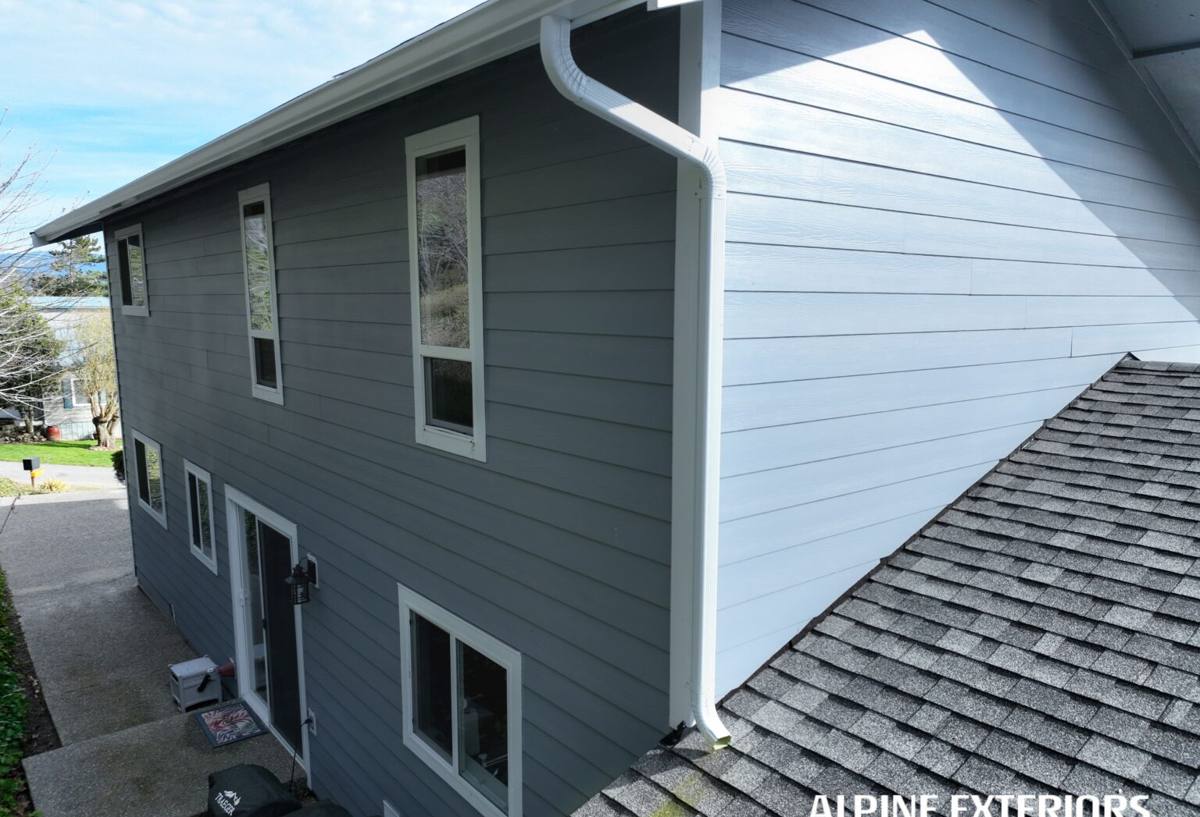
What a Correctly Installed Shingle Roof Looks Like Here
A shingle roof is a system, not a single product. Every layer has a job, and in a market like Bradenton, skipping or shortcutting any one of them shows up as a leak, a blow-off, or a shortened lifespan within a few years instead of a few decades.
Deck and Underlayment
The plywood or OSB deck underneath has to be sound — no soft spots, no delaminated panels — before a single shingle goes down. Over that, we install a synthetic or self-adhering underlayment rated for high-wind, high-heat climates. In Florida, this layer is your last line of defense if wind ever lifts or damages shingles during a storm, so we don't treat it as an afterthought.
Nailing Pattern and Wind Rating
This is where corners get cut most often. Manufacturers publish specific nailing patterns tied to a shingle's wind rating, and the pattern changes based on roof slope and local wind-speed requirements. A six-nail pattern instead of four, placed correctly in the nailing zone rather than high or low on the shingle, is the difference between a roof that sheds a hurricane-force gust and one that loses shingles in a summer thunderstorm.
Flashing and Penetrations
Valleys, chimneys, skylights, and roof-to-wall transitions are where most leaks start — not in the open field of shingles. Properly formed step flashing, valley metal, and pipe boots, sealed and integrated with the underlayment rather than just caulked over the top, are what actually keep wind-driven rain out during a sideways storm.
Choosing the Right Shingle for This Climate
Not every asphalt shingle product is built the same way, and the right choice depends on your budget, your roof's exposure, and how much wind and impact resistance you want built in. Here's how the main categories compare for a Lakewood Ranch home:
| Shingle Type | Typical Wind Rating | Best For | Trade-Off |
|---|---|---|---|
| 3-Tab (Standard) | Lower end of the range | Budget-conscious re-roofs, rental properties | Flatter profile, shorter lifespan, less impact resistance |
| Architectural / Laminate | Mid-to-high, varies by line | Most owner-occupied homes | Higher upfront cost than 3-tab, but far better wind and weathering performance |
| Impact-Rated (Class 4) | Highest available in asphalt | Homes wanting insurance premium credits and hail/debris resistance | Highest material cost; installation still determines real-world performance |
We generally steer homeowners in this area away from basic 3-tab shingles unless budget is the deciding factor. The flatter profile and lighter construction just don't hold up as well to repeated UV cycling and wind loading, and the cost difference to step up to a laminate architectural shingle is usually smaller than people expect relative to the added years of service life.
Ventilation — The Part Nobody Sees Until It Fails
An attic that can't breathe properly cooks your shingles from underneath and traps moisture that has nowhere to go. In Bradenton's heat and humidity, a roof with poor intake and exhaust ventilation will show premature granule loss, shingle curling, and sometimes deck rot years before the shingle's rated lifespan is up — even if the installation on top looks fine. Balanced ventilation, matching intake at the soffits to exhaust at the ridge or roof vents, is part of a correct install, not an upsell.
Our Process, Start to Finish
- Roof assessment. We inspect the existing roof, deck condition, ventilation setup, and flashing details, and walk you through what we find in plain terms.
- Honest scope and estimate. You get a written estimate that spells out materials, wind-rating specs, and what's included — no vague allowances.
- Permit and scheduling. We pull the required Manatee County permit and schedule around weather windows rather than rushing a job into a rain system.
- Tear-off and deck inspection. Old material comes off completely so we can check the deck itself, not just what's visible from the ground.
- Underlayment, flashing, and shingle installation. Installed to the nailing pattern and wind-rating spec for the product and slope, with attention to every valley, penetration, and edge.
- Final walk-through and inspection. We review the finished roof with you and coordinate the county inspection where required.
Permits, Wind Code, and What It Means for You
Manatee County falls outside the state's designated High-Velocity Hurricane Zone, but that doesn't mean the wind requirements are relaxed — Florida Building Code still sets minimum wind-uplift and fastening standards for the whole region, and a roof permit and inspection are part of doing the job right, not paperwork we skip to save time. A permitted, code-compliant re-roof also matters when you go to sell the home or file an insurance claim — an unpermitted roof can complicate both.
If you're not sure whether your current roof was ever permitted, or what shape its documentation is in, that's a reasonable thing to ask us to help sort out before you decide on a repair versus a full replacement.
Signs Your Lakewood Ranch Roof Needs a Closer Look
- Granules collecting in gutters or at downspout outlets
- Shingles that look cupped, curled, or cracked, especially on south- and west-facing slopes
- Dark streaking that doesn't wash off with rain (algae growth, not just dirt)
- Soft spots or sagging when you're up on a ladder near the roofline
- Nail heads visibly popping through the shingle surface
- Any water staining on interior ceilings after heavy rain
- Missing or lifted shingles after a windstorm, even if there's no visible leak yet
None of these automatically mean you need a full replacement — some are simple repairs. But catching them early is what keeps a repair from turning into a deck-replacement job.
What Actually Drives the Cost
Every roof is different, but the same handful of factors move the price up or down on most Lakewood Ranch jobs:
| Factor | Why It Matters |
|---|---|
| Roof size and number of stories | More square footage and steeper access both add labor time |
| Roof complexity | Valleys, dormers, and multiple roof planes take more flashing work than a simple gable |
| Deck condition | Rotted or delaminated decking found during tear-off has to be replaced before shingles go down |
| Shingle tier chosen | 3-tab, architectural, and impact-rated products carry different material costs |
| Ventilation upgrades | Adding or correcting intake/exhaust venting is sometimes needed to bring an older roof up to standard |
We won't know your real number until we're on the roof, but we'll walk you through which of these factors apply to your home before any work starts — not after the tear-off, when you have no real choice but to say yes.
Why It Matters That We Already Work in Lakewood Ranch
A crew that's regularly on roofs in this specific area knows the practical stuff that doesn't show up in a spec sheet — how HOA architectural guidelines here typically handle roof color and material approvals, what the Manatee County permitting office actually wants to see on an application, and how local weather patterns tend to move through on a given afternoon during storm season, which affects how we sequence a tear-off so your home isn't left exposed longer than it has to be. That local familiarity translates into fewer surprises and a smoother permit and inspection process for you.
If your asphalt shingle roof is showing its age, took storm damage, or you just want an honest opinion on what shape it's really in, we're happy to come out, take a real look, and give you a straightforward estimate — no pressure, no hard sell, just what we'd tell a neighbor.