 Bradenton
 Roofing in Cortez Means Building for the Water, Not Just the Weather
Cortez sits right up against Sarasota Bay, and that proximity to open water changes what a roof has to deal with compared to a home a few miles inland. It's not just about withstanding a storm once a year. It's the everyday grind: salt-laden air moving off the water, intense sun with almost no seasonal break, and wind that doesn't need to be a named hurricane to put real stress on shingle edges and flashing. An asphalt shingle roof that's installed correctly for these conditions can go the distance. One that's installed like it's going on a house in a landlocked subdivision usually shows problems years before it should.
We work on roofs throughout Bradenton and the surrounding Manatee County coastline, and Cortez homes get a specific kind of attention because of where they sit. This page covers what that actually means in practice — not generic roofing advice, but what a shingle roof needs when it's a short walk from the bay.
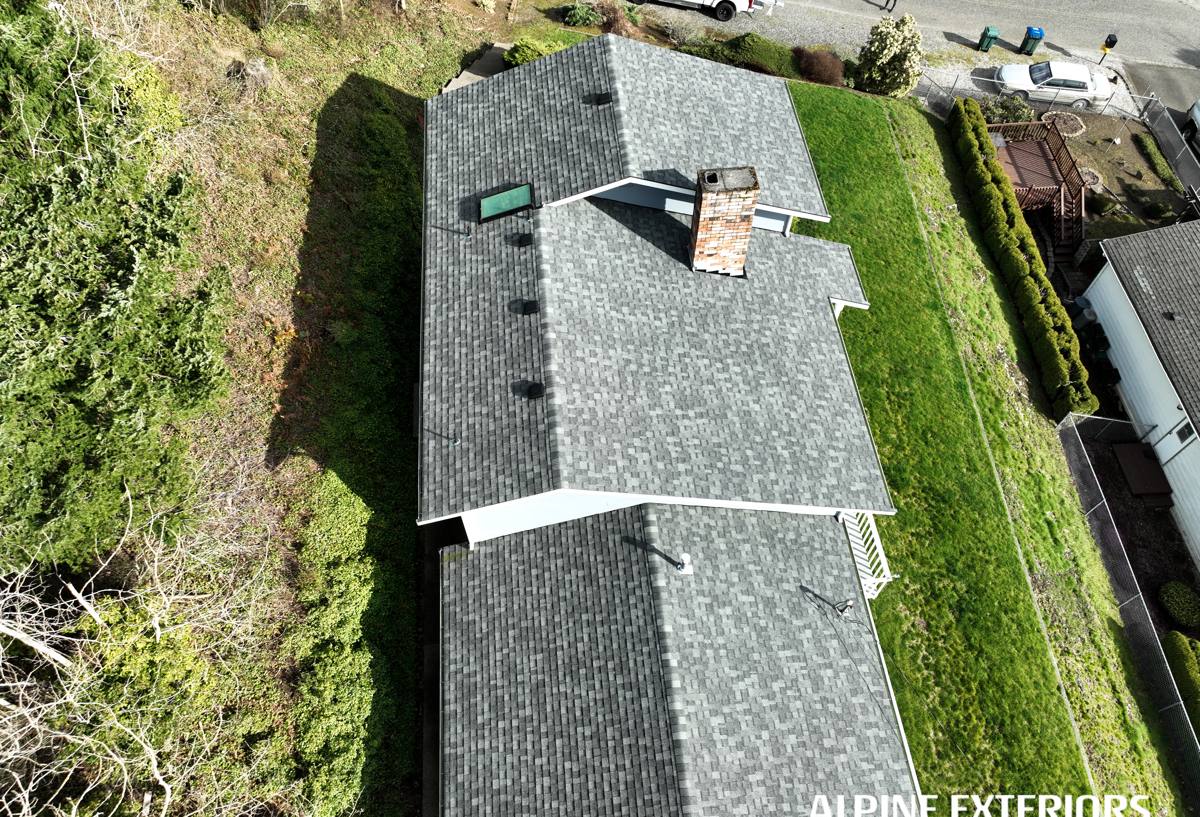
What Salt Air, Sun, and Wind Actually Do to a Shingle Roof
Salt Air and Corrosion
Airborne salt doesn't just sit on the surface of a roof — it settles into every metal component. Nail heads, flashing, drip edge, and vent boots are all vulnerable. Once corrosion starts on a fastener or a flashing seam, water finds a way in long before the shingles themselves look worn. This is one of the most overlooked failure points on coastal roofs, and it's rarely visible from the ground.
UV Exposure
Florida sun year-round means asphalt shingles are constantly losing oils and granules to UV breakdown. That process is normal aging, but it accelerates on roofs with poor attic ventilation, where trapped heat cooks the underside of the shingle mat from below at the same time the sun is working on it from above. The result is premature brittleness and granule loss well ahead of a shingle's rated lifespan.
Wind-Driven Rain
Straight-down rain is rarely the problem. Wind-driven rain that hits a roof at an angle can work its way under shingle tabs, through nail penetrations, and along ridge and hip lines if the underlayment and sealing details weren't done right. This is where the difference between a roof that survives a squall line and one that develops a slow leak really comes down to installation quality, not just shingle brand.
Choosing a Shingle System That Fits a Cortez Roof
Not every asphalt shingle product is built the same, and the right choice depends on your roof's exposure, your budget, and how long you plan to be in the home. Below is a general comparison of the shingle categories we install, with the trade-offs laid out honestly.
| Shingle Type | Wind Performance | Typical Lifespan | Best Fit For |
|---|---|---|---|
| 3-Tab (standard) | Lower wind rating, more vulnerable at tab edges | Shortest of the asphalt options | Budget-conscious projects on rentals or lower-exposure roofs |
| Architectural / Dimensional | Higher wind rating due to laminated construction and larger nailing area | Longer than 3-tab | Most Cortez homes — better balance of cost and coastal durability |
| Impact-Rated / High-Wind Class | Highest available rating, tested for sustained coastal wind exposure | Comparable to or longer than architectural | Homes with direct water exposure or owners prioritizing long-term durability |
We don't push the most expensive option on every roof — a lot of Cortez homes do perfectly well with a quality architectural shingle installed correctly, and the extra cost of impact-rated products makes more sense on roofs with fewer trees or structures breaking up wind exposure. We'll walk you through what actually fits your specific roof rather than a one-size answer.
What a Correct Installation Actually Involves
The shingle itself is only one part of the system. Most premature roof failures we get called out to inspect trace back to shortcuts in the layers underneath, not the shingle brand. A proper installation for this climate includes:
- A synthetic or self-adhering underlayment rated for high-wind, high-moisture exposure — not just felt paper laid down as an afterthought
- Corrosion-resistant fasteners and flashing, since standard galvanized components degrade faster in salt air
- Correct nailing pattern and placement per the shingle manufacturer's high-wind installation instructions, not just "enough nails"
- Properly sealed and lapped flashing at every roof penetration, valley, and wall intersection
- Balanced intake and exhaust attic ventilation, so heat and moisture don't get trapped under the shingle mat
- Ridge cap and hip shingles installed with the fastening pattern rated for the wind exposure, not standard-grade ridge product
- A final walk-through checking for proper sealant strip activation and any exposed fasteners
Skip any one of these and the shingle warranty on paper won't match how the roof actually performs once real coastal wind and rain hit it.
Repair or Replace? Reading the Signs on Your Roof
Signs a Repair Makes Sense
Isolated issues — a section of lifted shingles after a storm, a leak traced to one flashing point, a small area of granule loss — are often repairable if the rest of the roof is sound and reasonably young. A targeted repair, done with matching materials and proper flashing technique, can buy years of additional service life without the cost of full replacement.
Signs Replacement Is the Better Investment
Widespread granule loss, multiple soft spots in the decking, shingles that are curling or cracking across large areas, or a roof that's simply reached the end of its rated life all point toward replacement being the more cost-effective path. Patching a roof that's failing broadly usually just delays a larger expense and risks interior damage in the meantime. We'll always tell you honestly which category your roof falls into — we don't sell replacements to homes that only need repair.
How Our Process Works for Cortez Homeowners
We keep the process straightforward because a roofing project is stressful enough without added confusion:
- Inspection. We get on the roof, check the decking, flashing, ventilation, and shingle condition, and document what we find with photos.
- Honest recommendation. We explain what your roof actually needs — repair, partial replacement, or full replacement — and why, along with shingle options that fit your exposure and budget.
- Written estimate. A clear scope of work and price, no vague line items.
- Scheduling around weather. We plan installation days around forecast conditions since wind and rain timing matters for a proper tear-off and dry-in.
- Installation and daily cleanup. Tear-off, deck inspection and repair as needed, underlayment, flashing, shingle installation, and a magnetic nail sweep of the property each day.
- Final walk-through. We review the completed work with you before calling the job done.
Permits, Wind Mitigation, and Insurance
Roofing work in Manatee County requires permitting, and for coastal properties like those in Cortez, the details of the installation matter for more than just durability — they affect your homeowner's insurance. A properly documented installation using rated materials and correct fastening can support a wind mitigation inspection, which in turn can affect your insurance premium. We handle the permitting process as part of the job and can provide the documentation you'll need for your insurer, including materials used and installation method.
Why Hiring a Crew That Already Works in Cortez Matters
A roofing crew that regularly works this stretch of the Bradenton coastline already understands the exposure differences between a home a block from the water and one further inland. That means knowing which flashing details tend to fail first in salt air, which ventilation setups actually hold up, and how to sequence a job around Gulf coast weather patterns instead of guessing. It also means being reachable afterward — for questions about maintenance, a warranty concern, or storm-related follow-up — rather than dealing with a contractor who only shows up once and disappears. Local experience shows up in the small decisions on a job, not just the sales pitch beforehand.
Maintenance That Extends Roof Life Near the Water
Coastal exposure means a shingle roof benefits from more frequent attention than one further inland. A simple annual check — looking for lifted or missing shingles after storm season, clearing debris from valleys, confirming vents and flashing are still sealed, and keeping gutters clear so water isn't backing up under the roof edge — catches small problems while they're still cheap to fix. Salt residue buildup and granule loss are also easier to spot early with regular eyes on the roof rather than waiting for a leak to show up inside the house.
If your roof is showing wear, due for replacement, or you just want an honest read on where it stands, we're glad to take a look. Fill out the form below for a free, no-pressure estimate on your Cortez home.