 Bradenton
 Why Siding on Anna Maria Island Takes a Harder Beating
Anna Maria Island sits right at the edge of the Gulf, and that location is exactly what makes siding repair here different from a job a few miles inland in Bradenton. Salt air is corrosive and relentless — it settles on exterior walls every single day, not just during storms, and it works into seams, fasteners, and any gap in a siding system's protective layer. Add in Florida's year-round UV intensity, which breaks down caulking and finishes faster than in milder climates, and wind-driven rain that gets forced sideways into laps and joints during Manatee County's summer storm season, and you have three separate stresses working on a home's exterior at once.
Most siding damage on the island isn't sudden — it's cumulative. A small gap at a butt joint lets in moisture, salt residue holds that moisture against the substrate, UV breaks down the sealant meant to keep it out, and a few seasons later what should have been a five-minute caulk touch-up has become a soft, damaged panel. Understanding that slow buildup is the starting point for any repair that's actually going to hold up, rather than one that just covers the symptom.
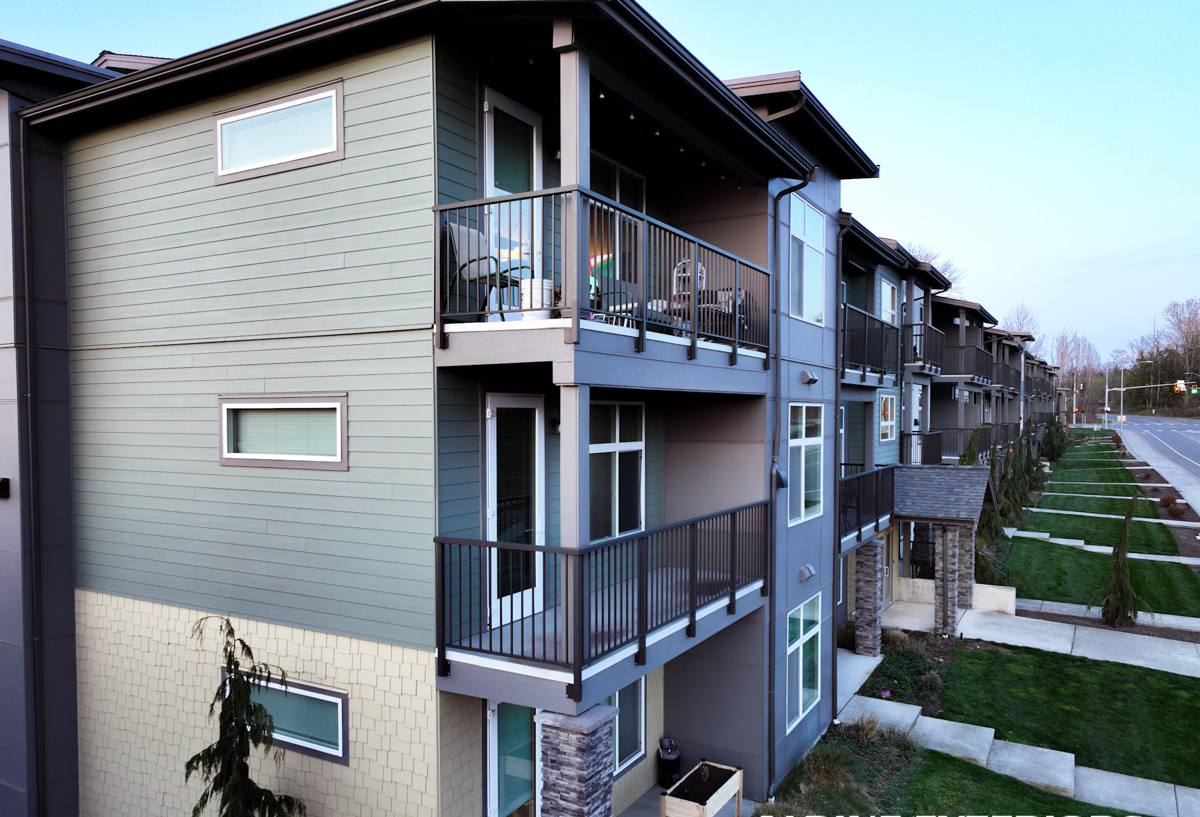
Signs Your Anna Maria Island Home Needs Siding Repair, Not Just a Repaint
A fresh coat of paint can hide a lot of problems for a little while, which is part of why siding damage on barrier island homes often gets discovered later than it should. Knowing what to look for helps you catch it while it's still a repair job instead of a replacement job.
Storm and Wind-Related Damage
- Cracked, chipped, or missing panel sections after a windstorm
- Siding that has visibly lifted, buckled, or pulled away from the wall
- Loose or exposed fasteners where wind has worked panels back and forth
- Damaged or missing flashing and trim around windows and corners
Slow, Moisture-Driven Damage
- Soft or spongy spots when you press on a panel
- Dark streaking, staining, or a persistent musty smell near exterior walls
- Chalky, faded finish that no longer sheds water evenly
- Gaps at seams, corners, or trim where caulking has shrunk or failed
If you're seeing any combination of these, it's worth having a crew look at the affected area before the next storm season rather than after.
What a Correct Repair Actually Involves
A siding repair that's done right starts before anyone touches a panel. It starts with figuring out why the damage happened, because patching over the visible symptom without addressing the cause just buys you a shorter repeat of the same problem. That means checking behind the affected panels for trapped moisture, confirming the house wrap or weather barrier underneath is intact, and verifying that flashing at windows, doors, and corners is doing its job.
Only after that diagnosis makes sense should the actual repair begin — removing damaged sections cleanly, replacing them with matching material installed to the manufacturer's fastening and clearance specifications, and resealing joints with a sealant rated for exterior, high-UV, high-salt exposure. Skipping any of these steps is how a "repaired" section fails again within a year or two, especially on a property that takes the kind of exposure Anna Maria Island homes deal with.
Why We Repair Exclusively With James Hardie Fiber Cement
We only install and repair with James Hardie fiber cement siding, and that standard doesn't change for patch work. When a section of siding needs replacing, we replace it with the same engineered fiber cement system — not vinyl, not LP SmartSide, not cedar or primed spruce — because those materials behave differently in this climate and mixing them into a Hardie wall creates problems down the line.
Fiber cement is non-combustible and dimensionally stable, meaning it doesn't expand and contract with heat and humidity the way wood-based or vinyl products can, which matters on a wall that bakes in Florida sun most of the year. Hardie's ColorPlus factory finish is baked on and warrantied against fading and chalking, so a well-matched repair panel keeps its color consistency with the surrounding siding far longer than a field-painted patch would. And Hardie's HZ5 product line is specifically engineered for high-humidity, high-moisture climates like ours — it's the right base material for a barrier island repair, not just a convenient one.
There's also a warranty angle homeowners don't always think about: patching Hardie siding with a different material, or using non-approved fasteners and sealants, can affect what's covered if something goes wrong later. Repairing in-kind protects the transferable warranty that came with the original installation.
Repair or Full Replacement? What Actually Decides It
Not every damaged section needs a full re-side, and not every "repair" request is really a repair job. The honest answer depends on how much of the wall is affected and what's happening underneath it.
| Factor | Repair Is Usually Enough | Replacement Should Be Considered |
|---|---|---|
| Extent of damage | Isolated panels or sections | Damage spread across multiple walls or elevations |
| Moisture behind siding | Localized, caught early | Widespread rot or sustained water intrusion |
| Age of existing siding | Relatively recent installation | Siding near or past its expected service life |
| Color match feasibility | Repair area is small and blendable | Original color has faded enough that patches will stand out |
| Underlying structure | Sheathing and wrap intact | Sheathing compromised, requiring broader access anyway |
We'll always tell you honestly which category your home falls into. There's no benefit to us in overselling a full replacement when a targeted repair will genuinely hold up — and no benefit to you in a patch that's papering over a bigger problem.
Our Anna Maria Island Siding Repair Process
Inspection and Diagnosis
We start by walking the affected area, checking moisture levels where we can, and looking at flashing, caulking, and panel condition beyond just the obvious damage. On an island property, we're also checking how exposure and orientation — which side of the home takes the most direct salt spray and sun — factored into why that section failed first.
Repair Execution
Damaged sections are removed cleanly, replaced with matching James Hardie material, fastened to spec, and sealed with sealant suited to sustained coastal UV and salt exposure. We check surrounding panels and trim while we're already in the wall, since it's far more efficient to catch a second developing issue during the same visit than to schedule a return trip.
Finish and Color Match
Where the repair area is visible, we work to match the existing ColorPlus finish or coordinate a touch-up approach that blends cleanly, so the repaired section doesn't stand out as an obvious patch.
Why a Crew That Already Works This Island Matters
Anna Maria Island isn't logistically the same as a mainland Bradenton neighborhood. Bridge access, limited parking, and tighter lot layouts all affect how a repair day gets planned and staged. Many homes on the island are also elevated or built to barrier-island flood-zone standards, which changes how a crew accesses lower wall sections and how repairs need to be sequenced around that construction style.
A contractor who regularly works Anna Maria Island has already worked through those logistics and understands the wind-zone and coastal building requirements that apply to homes this close to the Gulf. That familiarity translates into fewer surprises, more accurate scheduling, and a repair that's planned around the realities of the property from day one — instead of a crew figuring out island access and code specifics for the first time on your job.
Keeping Your Repair Lasting on a Barrier Island
A correctly executed repair still needs some basic upkeep to get its full lifespan out of a salt-air environment. None of this is complicated, but it does need to actually happen on a schedule.
- Rinse salt residue off exterior walls periodically, especially after dry, windy stretches
- Inspect caulking at joints, corners, and trim once a year and re-seal where it's shrunk or cracked
- Keep gutters and downspouts clear so water sheds away from siding instead of running down it
- Trim back vegetation and irrigation spray that keeps siding damp longer than it should be
- Walk the exterior after any significant storm to catch new damage early
- Watch for chalking or fading as a sign it may be time to recoat or address a section before it worsens
If you're dealing with damaged, aging, or storm-affected siding on an Anna Maria Island home, we're happy to take a look and give you a straight answer on what it actually needs. Reach out for a free, no-pressure estimate using the form below.