 Bradenton
 Why Anna Maria Island Siding Takes a Different Approach
Anna Maria Island sits about as close to the Gulf as a home can get, and that proximity changes what siding has to survive. Homes here don't just deal with Florida heat and afternoon storms like the rest of Manatee County — they take on salt-laden air moving off the water almost constantly, wind loads that spike hard during tropical systems, and driving rain that gets pushed sideways into wall assemblies that a few miles inland would never see that kind of pressure. Siding installed the same way you'd install it in a subdivision off Cortez Road often doesn't hold up the same way out here, even if the material itself is rated for it.
That's not a reason to avoid re-siding an island home. It's a reason to be precise about material choice, fastening, flashing, and drainage details before the first course goes up. A correct installation on Anna Maria Island isn't more expensive because someone's upselling you — it's more expensive because the assembly actually has more work to do.
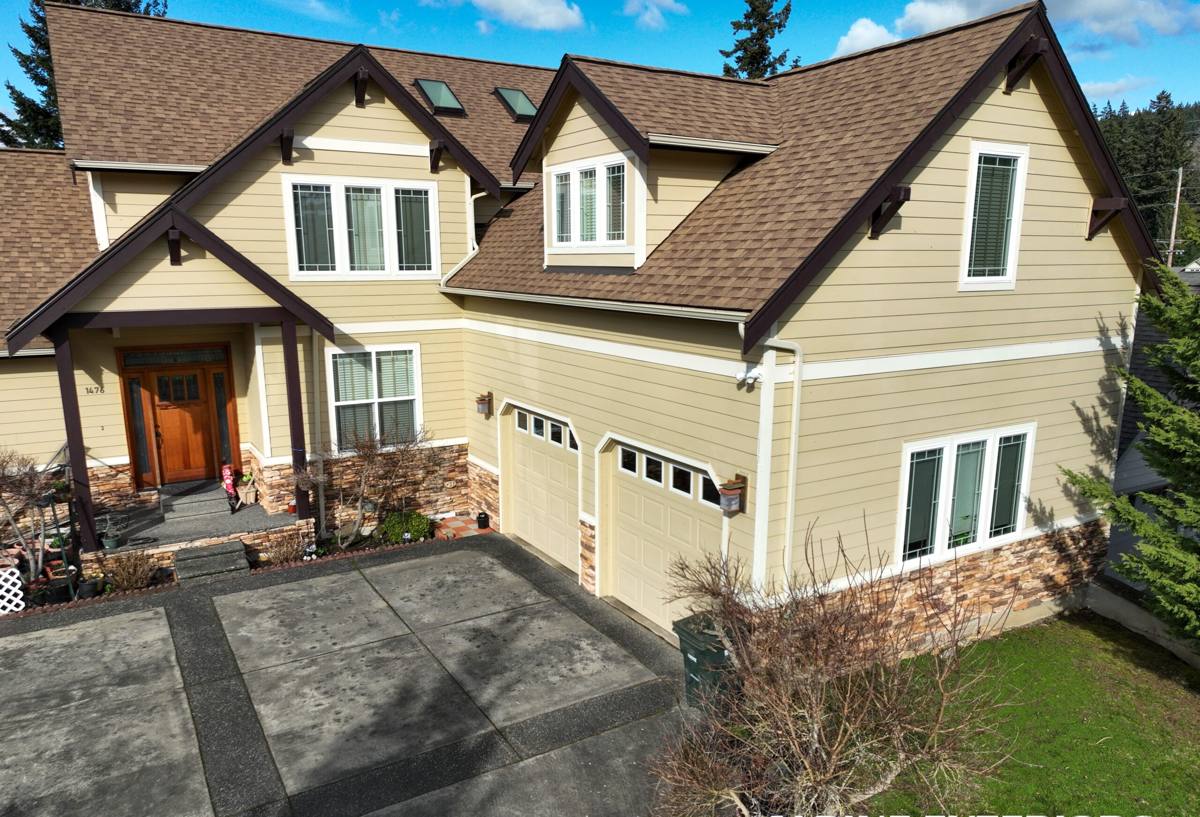
What the Island Climate Actually Does to Siding
Salt Air and Corrosion
Airborne salt doesn't just sit on the surface of a wall — it works into fastener heads, trim joints, and any exposed metal. Over years, that accelerates corrosion in anything not rated for coastal exposure: staples instead of nails, standard-grade trim screws, or flashing that wasn't chosen with salt exposure in mind. Once a fastener starts to corrode, it can telegraph rust streaks through the siding and eventually lose its grip, which is a maintenance problem long before it's a structural one.
Wind-Driven Rain
During a tropical storm or hurricane, rain on Anna Maria Island doesn't fall straight down — it's pushed horizontally into the wall by sustained wind, sometimes for hours. Siding that relies on gravity alone to shed water, or that has weak seams at butt joints and corners, lets that water track behind the cladding. Once moisture gets behind siding and into the wall assembly, it doesn't dry out quickly in Florida's humidity, and that's when rot, mold, and sheathing damage start.
Hurricane-Force Wind Loads
Siding on a barrier island has to resist uplift and lateral pressure that inland homes rarely see. That's a fastening-schedule issue as much as a material issue — the right product installed with the wrong nailing pattern or spacing can still fail in high wind, regardless of what the product is rated for on paper.
Year-Round UV
Florida sun is intense every month of the year, not just in summer. Siding finishes that aren't engineered for sustained UV exposure fade unevenly, chalk, or start to look tired within a handful of years — which matters even more on a barrier island where curb appeal and resale value run high.
Why We Install Only James Hardie Fiber Cement
We stopped installing vinyl, LP SmartSide, and other engineered wood or composite sidings on homes in this market, and Anna Maria Island is exactly the kind of environment that explains why. Vinyl can warp and become brittle under sustained heat and UV, and its seams and fastening system aren't built for sustained hurricane-force wind exposure the way fiber cement is. Engineered wood products depend on their factory coating and edge sealing staying intact — any breach from wind-driven rain or a missed sealing detail lets moisture into the wood substrate, and once that starts, it doesn't reverse itself.
James Hardie fiber cement is non-combustible, dimensionally stable, and doesn't rely on a wood substrate that can absorb moisture. Its ColorPlus factory finish is baked on and engineered to hold up to UV exposure far better than field-applied paint. And Hardie's HZ5 product line specifically is engineered for high-humidity, coastal-exposure regions — which is the category Manatee County's barrier islands fall into. It's not the cheapest material on the market, and we're upfront about that. It's the material we're willing to put our name behind on a home that's going to take this much weather.
| Factor | Vinyl Siding | Engineered Wood | James Hardie Fiber Cement |
|---|---|---|---|
| Wind resistance | Can crack, warp, or blow off in sustained high wind | Adequate if intact, but panel failure exposes substrate | Engineered and rated for high-wind coastal installation |
| Moisture behavior | Doesn't absorb, but seams can let water track behind panels | Wood substrate absorbs moisture if coating is breached | Cement composition doesn't rot or swell from moisture |
| UV / fade resistance | Can fade or chalk over time, especially darker colors | Factory finish varies; touch-up paint fades unevenly | ColorPlus finish engineered for long-term UV exposure |
| Salt air / corrosion risk | Panel itself is fine; fasteners and trim are the weak point | Trim and fastener corrosion plus coating breakdown | Fiber cement body is inert; coastal-rated fasteners used throughout |
| Fire performance | Combustible | Combustible | Non-combustible |
What a Correct Installation Involves Out Here
The material is only part of the equation. On Anna Maria Island, the installation details are what actually determine whether siding performs through its first real storm season and every one after it.
- Weather-resistive barrier and drainage plane: A properly lapped and sealed water-resistive barrier behind the siding, with a drainage gap where the assembly calls for it, so any moisture that does get past the cladding has somewhere to go instead of sitting against the sheathing.
- Flashing at every penetration: Windows, doors, vents, and any wall penetration need flashing detailed to shed water outward, not just caulked and hoped for. Caulk fails; correctly lapped flashing doesn't depend on a sealant staying intact for twenty years.
- Fastener selection: Corrosion-resistant, coastal-rated fasteners driven to Hardie's specified pattern and depth — not overdriven, not underdriven, and not substituted for a cheaper fastener that wasn't rated for salt air exposure.
- Correct clearances: Proper gap between the bottom of the siding and grade, roof lines, decks, and other transitions, so wind-driven rain and standing water don't wick into the plank ends.
- Joint and butt-seam treatment: Butt joints treated to Hardie spec, not just butted and caulked, so they don't become the first failure point in a wind event.
- Trim and caulking compatible with the system: Sealants and trim rated for sustained coastal UV and salt exposure, not general-purpose products that break down faster in this environment.
Our Process for Anna Maria Island Homes
1. On-Site Assessment
We walk the exterior, check the condition of the existing siding and sheathing where accessible, and look specifically for signs of moisture intrusion, corroded fasteners, or wind damage that's common on island homes — not just cosmetic wear.
2. Removal and Sheathing Inspection
Once old siding comes off, we inspect the sheathing underneath. This is often where island homes reveal problems that weren't visible from outside — soft spots, prior water intrusion, or trim that was never properly flashed. We address what we find before anything new goes up, not after.
3. Water-Resistive Barrier and Flashing
We install and detail the weather barrier and flashing to handle wind-driven rain specifically, since that's the failure mode we see most often on barrier island homes that were sided without it in mind.
4. James Hardie Installation to Spec
Installation follows Hardie's published fastening schedules and coastal guidelines, using corrosion-resistant fasteners and correct joint treatment throughout — not a generic siding install adapted on the fly.
5. Final Walkthrough
We walk the finished job with the homeowner, point out anything worth knowing for future maintenance, and make sure everything lines up before we consider the job done.
Why It Matters That We Already Work This Island
Anna Maria Island has its own logistics — limited access points, tighter lot setbacks in places, and permitting and inspection considerations tied to its coastal location within Manatee County. A crew that regularly works the island isn't guessing at wind-load requirements or scrambling to source coastal-rated materials for the first time. We already know what correct flashing and fastening look like out here because we've done it before, not because we read the spec sheet the night before the job.
Hiring locally also means faster response if something needs a follow-up look after a storm, and a crew that's accountable to a reputation in a small, tightly connected community — not a contractor who did one job on the island and moved on.
Maintaining Your Siding After Installation
- Rinse salt residue off the siding periodically with fresh water, especially on sides of the home facing the Gulf.
- Inspect caulking and sealant joints at windows, doors, and trim annually, and have any cracked or failing sealant redone before storm season.
- After any major wind event, walk the exterior and look for loose panels, damaged trim, or gaps at joints that weren't there before.
- Keep irrigation heads and sprinklers from spraying directly on siding long-term, which can affect finish and trim over time.
- Trim vegetation back from the siding to maintain airflow and reduce trapped moisture at the wall.
What This Costs and What Drives the Range
Every siding job's cost depends on the size of the home, the condition of the existing sheathing once it's exposed, how much trim and detail work the elevation requires, and which Hardie profile and color you choose. Homes closer to the water with more wind and salt exposure sometimes call for additional flashing detail or trim treatment that adds to the scope. We won't quote a number without seeing the home, but we're glad to walk through the cost factors honestly during an estimate so there are no surprises once work starts.
If your Anna Maria Island home needs new siding or you're weighing whether an older installation is doing its job, we're happy to take a look. Reach out for a free, no-pressure estimate — we'll walk the exterior with you and give you a straight answer about what your home actually needs.