 Bradenton
 Windows Built for the Bayshore Gardens Climate
Bayshore Gardens sits close to the Manatee River and Sarasota Bay, which means homes here take on a specific mix of punishment: salt-laden air moving in off the water, intense year-round UV that breaks down seals and finishes faster than it does further inland, sudden wind-driven downpours, and the threat of hurricane-force wind loads during storm season. Windows in this neighborhood work harder than windows in most parts of the country, and that changes what "correct installation" actually means here.
A window that's rated fine for a house in Ohio can fail in Bayshore Gardens within a few years if it's installed the same way. The frame material, the glazing, the flashing details, and the fasteners all need to account for coastal exposure — not as an upsell, but as the baseline for the job holding up.
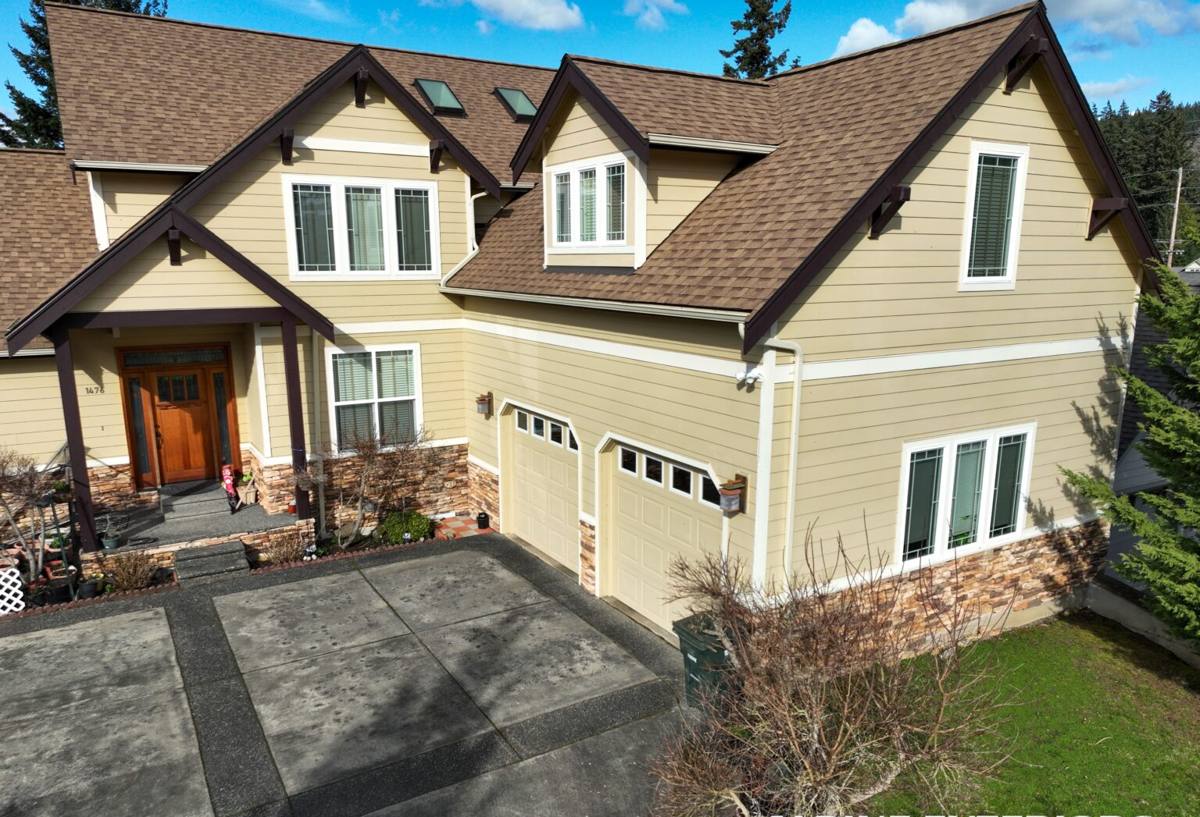
What Local Homes Actually Need
Salt Air and Corrosion
Salt in the air settles on hardware, screens, and frame components. Over time it corrodes cheap fasteners, pits aluminum that isn't properly coated, and can work into gaps around poorly sealed frames. Homes closer to the water need corrosion-resistant fasteners and hardware rated for coastal use — this isn't optional trim, it's what keeps a window operating smoothly after five or ten Bradenton summers.
UV Exposure
Manatee County gets strong sun nearly every month of the year. UV breaks down cheap vinyl, fades interior finishes, and degrades sealants and gaskets faster than in northern climates. Low-E glass coatings and UV-stable frame materials matter more here than they would in a milder climate — this is a durability decision, not just a comfort one.
Wind Load and Storm Pressure
Manatee County falls under Florida Building Code wind requirements, and homes in this area need windows rated for the wind pressures our zone requires, installed with the anchoring and shimming methods the manufacturer's engineering calls for. A window can carry the right impact rating on paper and still fail in a storm if it wasn't anchored into sound framing with the correct fastener spacing.
Wind-Driven Rain
Straight-down rain is forgiving. Wind-driven rain, common during Bradenton's storm season, pushes water sideways and upward against a wall, testing every seam in the flashing and sealant. A window can look watertight in dry weather and still leak during a squall if the flashing details weren't done right the first time.
What a Correct Installation Involves
Replacing a window is not just pulling out the old unit and dropping in a new one. Done right, the process addresses the wall assembly around the window, not just the window itself.
- Removing the old unit without damaging the surrounding stucco, siding, or framing
- Inspecting the rough opening for rot, moisture damage, or out-of-square framing before anything new goes in
- Installing correctly lapped flashing so water sheds outward and down, never behind the finished wall surface
- Setting the window level, plumb, and square, then anchoring per the manufacturer's wind-rated installation instructions
- Sealing with sealants rated for exterior, coastal exposure — not general-purpose caulk that will crack and shrink within a couple of Florida summers
- Insulating the gap between the frame and rough opening without over-packing it, which can bow the frame and bind the window
- Reinstalling or matching exterior trim and stucco so the finished look is seamless
- A final operational check — smooth opening and closing, tight seal when latched, no visible gaps
Skipping or rushing any of these steps is how a window ends up leaking, fogging between panes, or struggling to open within a few years — problems that are far more expensive to fix after the wall around them has taken on moisture damage.
Why a Crew That Already Works Bayshore Gardens Matters
Every neighborhood in this region has its own quirks. Homes built in different decades used different construction methods, different stucco systems, and different original window products. A crew that already works Bayshore Gardens regularly has seen the common rough-opening conditions, the typical wall assemblies, and the recurring issues tied to age and coastal exposure in this specific area — which means fewer surprises once the old window comes out.
It also means faster, more predictable scheduling. A local crew isn't driving in from across the county for a single job; they can sequence work efficiently, source materials suited to Manatee County's code requirements without guesswork, and stand behind the work because they're not going anywhere. If a callback is ever needed, you're not chasing down a company that only passed through once.
Our Process
1. On-Site Assessment
We look at each window individually — the frame condition, the surrounding wall, signs of past leaks, and how the opening is oriented relative to prevailing wind and rain. Not every window on a house needs the same solution.
2. Product Selection
We walk through frame material, glazing, and wind-rating options suited to Bradenton's climate and to the home's specific exposure — a window facing open water or prevailing wind may warrant a different spec than one on a sheltered side of the house.
3. Permitting
Window replacement in Manatee County typically requires a permit, and impact-rated or wind-rated products need to meet documented approval standards. We handle the permit process so the paperwork trail is there if you ever sell the home or file an insurance claim.
4. Installation
Careful removal, opening prep, flashing, anchoring, sealing, and finish work — done in the sequence that protects the wall assembly, not just the window.
5. Final Walkthrough
We check operation, seal, and appearance with you before we call the job done, and make sure you know what maintenance (if any) the new windows need going forward.
Comparing Frame Materials for Coastal Exposure
| Frame Material | Coastal Durability | Maintenance | Typical Trade-Off |
|---|---|---|---|
| Vinyl (impact-rated) | Good, when UV-stabilized | Low — no painting needed | Lower upfront cost, fewer color/finish options long-term |
| Aluminum | Strong if properly coated; can corrode if hardware isn't marine-grade | Moderate | Slimmer sightlines, but poor thermal performance without thermal breaks |
| Fiberglass | Excellent — very stable in heat and salt air | Low | Higher upfront cost |
| Wood-clad | Vulnerable to moisture without diligent upkeep | High — requires regular sealing/inspection | We generally steer coastal homeowners away from this option given the maintenance burden near salt air |
We're not tied to one product line, and we'll say plainly when a material isn't a good fit for a home's exposure rather than sell what's easiest to install.
What Drives the Cost of a Window Job
| Factor | Why It Matters |
|---|---|
| Wind/impact rating required | Higher-rated glazing and reinforced frames cost more but are often required by code depending on exposure |
| Number of windows and opening sizes | Larger and custom-sized openings cost more per unit |
| Condition of the existing rough opening | Rot or framing repair adds labor before the new window goes in |
| Frame material chosen | Vinyl, aluminum, and fiberglass carry different price points |
| Trim and stucco matching | Seamless exterior finish work takes more time than a basic swap |
| Permit and inspection requirements | Impact-rated products may require documentation and inspection scheduling |
We provide a written, itemized estimate so you can see exactly what's driving the number — no lump-sum guessing.
Maintenance After Installation
Even a well-installed window needs occasional attention in a coastal climate. Rinse frames and tracks periodically to clear salt residue, especially after storms. Check exterior sealant lines once a year for cracking or gaps, since Florida sun ages sealant faster than milder climates. Keep weep holes (the small drainage openings along the bottom of the frame) clear of debris so water can drain out instead of pooling. None of this is difficult, but skipping it shortens the life of even a good installation.
Signs It's Time to Replace, Not Repair
- Fogging or moisture between panes of double- or triple-glazed units — the seal has failed and can't be repaired
- Frames that have gone soft, spongy, or visibly warped from moisture intrusion
- Windows that won't stay open, won't latch fully, or have become difficult to operate
- Visible daylight or air movement around a closed, latched window
- Rising energy bills alongside noticeably drafty rooms near older windows
- Windows original to a much older home that predate current wind-rating requirements
Ready to Talk Windows?
If you're weighing whether to repair or replace, or you just want an honest read on what your Bayshore Gardens home needs, we're glad to come take a look. Fill out the form below for a free, no-pressure estimate — we'll walk the exterior with you, answer questions, and give you a straightforward, written quote.