 Bradenton
 Why Anna Maria Island Decks Wear Out Faster
A deck on Anna Maria Island lives a harder life than one just a few miles inland in Bradenton. Being surrounded by the Gulf and Sarasota Bay means salt-laden air is a constant presence, working into fasteners, hinges, and any exposed wood grain. Add in the intense, nearly year-round Florida UV exposure, wind-driven rain that finds its way into every joint and seam, and the occasional direct hit from hurricane-force winds, and you have a structure that's under attack from multiple directions at once. We've repaired enough decks on the island to know that the failures we see here rarely match what we find on a mainland Manatee County property. The damage patterns are different, and so is the fix.
This page covers what deck repair actually looks like when it's done right for barrier-island conditions — not a generic patch job, but a repair that accounts for the specific ways salt, sun, and storms attack a structure here.
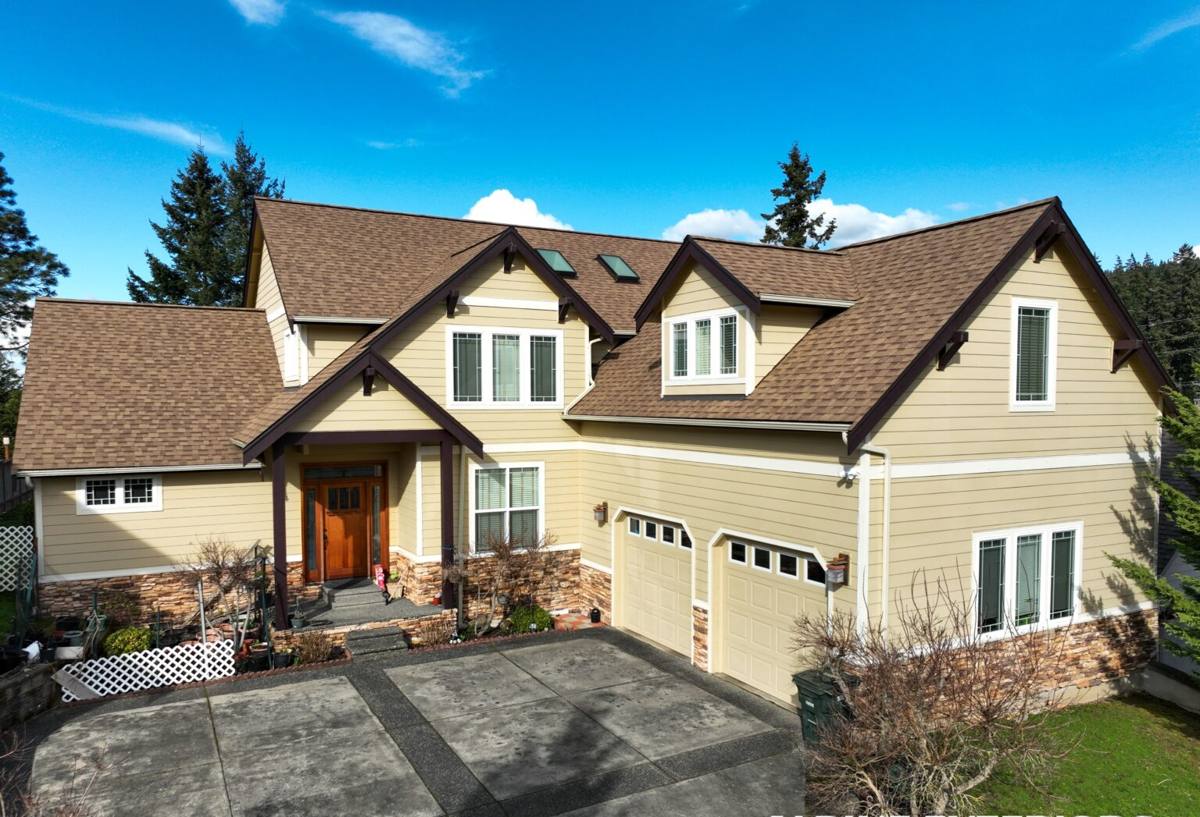
How Salt Air, UV, and Storms Damage a Deck
Salt Air and Corrosion
Salt in the air settles on every surface, including the fasteners holding your deck together. Standard galvanized screws and nails corrode faster near the water than they would inland, and once a fastener starts rusting, it weakens the connection and can stain the surrounding wood or composite decking. On older decks, we frequently find corroded joist hangers and fastener heads that have rusted through even though the boards on top still look fine.
UV Exposure
Florida sun breaks down the lignin in wood fibers and the UV stabilizers in composite and PVC decking over time. Wood grays and splinters; composite can fade unevenly, especially where furniture or planters block the sun in patches. UV damage is gradual and cosmetic at first, but it accelerates moisture penetration once the surface is compromised.
Wind-Driven Rain
Rain that comes in sideways during a storm gets pushed into places a straight-down rain never would — under railings, behind ledger boards, into the end grain of joists. This is one of the most common causes of hidden rot we find on island decks: the visible boards look dry, but the framing underneath has been absorbing wind-driven moisture for years.
Storm and Wind Load
Hurricane-force winds put real structural stress on a deck — especially railings, stair stringers, and ledger board connections to the house. Even when a storm doesn't cause visible damage, repeated wind loading can loosen connections that were marginal to begin with.
What a Correct Repair Actually Involves
A repair that only replaces what's visibly broken often leaves the underlying cause untouched, which means the same failure shows up again in a year or two. Our approach is to find out why a section failed before we decide how to fix it.
Step 1: Structural Inspection
We check the ledger board connection to the house first, since this is the single most safety-critical joint on most decks and one of the most common places for hidden rot near the water. From there we probe joists, beams, and posts for soft spots, check fastener condition, and look at how the railing system is attached.
Step 2: Identify the Real Cause
Is the damage from a specific storm event, from long-term UV breakdown, from a drainage problem that keeps a section perpetually wet, or from corroded fasteners that let boards shift and work loose? The cause determines the fix — replacing a rotted board without addressing a drainage issue just buys you a few more years before the new board fails the same way.
Step 3: Repair or Replace, Matched to Condition
Sound framing gets reinforced or refastened with corrosion-resistant hardware. Compromised joists, posts, or ledger connections get replaced — this isn't a place to patch and hope. Decking boards that are cosmetically worn but structurally sound may just need refastening, sanding, and refinishing rather than full replacement.
Step 4: Harden Against the Next Storm
Where it makes sense, we upgrade fastener types, add hurricane clips or additional bracing at railing posts, and correct any drainage issues we found — so the repair holds up better than the original construction did.
Common Repair Scenarios We See on the Island
- Soft or spongy decking near the house: usually a sign of wind-driven rain intrusion at the ledger board, sometimes hidden under an otherwise intact-looking board.
- Loose or wobbly railings: often corroded fasteners or a post connection that has loosened from repeated wind loading over multiple storm seasons.
- Gray, splintering wood surface: UV breakdown of the wood fibers — cosmetic if caught early, but it accelerates water absorption if ignored.
- Rust staining around fastener heads: a sign that standard fasteners are corroding in the salt air and should be upgraded during repair.
- Boards that have cupped or warped: can be moisture cycling from repeated wetting and drying, or a sign the boards were never properly spaced for drainage and expansion.
- Stair stringers with visible cracking or give underfoot: a structural item that should be addressed before it becomes a safety issue.
Repair vs. Replacement: How We Decide
Not every damaged deck needs a full rebuild, and not every deck can be safely patched. Here's how we generally think about the decision:
| Condition Found | Typical Approach | Why |
|---|---|---|
| Isolated soft joist or rotted board, framing otherwise sound | Targeted repair | Localized damage doesn't require rebuilding a structurally sound deck |
| Corroded fasteners throughout, wood still solid | Refasten with corrosion-resistant hardware | Addresses the root cause before it compromises the wood itself |
| Rot at multiple joists or the ledger board connection | Section or full framing replacement | Structural integrity can't be patched piecemeal near the house connection |
| Surface graying/fading only, structure sound | Clean, sand, refinish or reseal | Cosmetic UV damage doesn't require replacing sound material |
| Deck older than 15-20 years with recurring issues | Full replacement discussion | Repeated repairs on aging framing often cost more over time than a rebuild |
Materials: What Holds Up Near the Water
When we're replacing boards or hardware during a repair, we talk through material trade-offs honestly rather than pushing one option. Pressure-treated wood costs less upfront but needs more consistent maintenance — sealing, staining — to keep performing near the coast. Composite and PVC decking cost more initially but resist moisture and UV fading better with far less upkeep, which matters when a deck is exposed to this much sun and salt. For fasteners and structural hardware, we favor stainless steel or high-grade coated options in exposed, near-water applications, since standard galvanized hardware corrodes faster here than it would inland. The right call often depends on your budget, how the deck is used, and how much maintenance you want to keep up with — we'll walk through the honest trade-offs for your specific deck rather than defaulting to the most expensive option.
Maintenance Checklist Between Repairs
- Rinse salt residue off decking and railings periodically, especially after storms or extended dry, windy stretches.
- Check fastener heads for rust staining once or twice a year.
- Look under the deck after heavy rain for standing water or damp framing that isn't drying out.
- Reseal or restain wood decking on the manufacturer's recommended schedule — UV breakdown accelerates once the protective finish wears through.
- Test railings by hand for looseness, particularly at posts and where railings meet the house.
- Clear leaves and debris from between boards so water can drain instead of pooling.
Why Local Experience on Anna Maria Island Matters
A contractor who mostly works inland properties may not think to check for wind-driven rain intrusion at the ledger, or may default to standard fasteners that corrode faster than they should in this environment. Working regularly on Anna Maria Island means we already know where these decks tend to fail first, what fastener and material upgrades are worth the extra cost here, and how to sequence a repair so it doesn't leave your deck vulnerable going into the next storm season. That local pattern-recognition is often the difference between a repair that lasts and one you're redoing in two years.
It also means we understand the practical side of working on the island — coordinating access, working around barrier-island logistics, and being realistic with you about timelines when materials or weather windows are tight.
Our Repair Process, Start to Finish
- On-site assessment: we inspect the full structure, not just the visibly damaged area, checking ledger, joists, posts, and railings.
- Honest scope and estimate: we explain what we found, why it happened, and what it will take to fix it properly — including what's optional versus what's a safety item.
- Repair work: structural items are addressed first, followed by decking, railings, and finish work.
- Hardware and material upgrades: where it makes sense, we upgrade fasteners or connection hardware to better withstand salt air and wind, at no surprise to you — we discuss this as part of the estimate.
- Final walkthrough: we check the repaired sections with you and point out anything worth watching or maintaining going forward.
Get an Honest Look at Your Deck
If your deck has soft spots, loose railings, rust staining, or just doesn't feel as solid as it used to, it's worth having someone take a real look before the next storm season adds to the damage. We offer free, no-pressure estimates for Anna Maria Island homeowners — we'll tell you honestly what we find, what needs attention now, and what can wait. Fill out the form below to get started.