 Bradenton
 Building Decks for Holmes Beach's Barrier Island Conditions
Holmes Beach sits out on Anna Maria Island, which means any deck built here lives a different life than one built ten miles inland in Bradenton or Palmetto. The salt air rolls in off the Gulf and Tampa Bay every single day, humidity stays high most of the year, and afternoon thunderstorms in summer months soak exposed wood and fasteners on a near-daily schedule. Add in the direct, unfiltered UV that barrier island properties get with fewer trees and more open sky, and you have a set of conditions that will find every weak point in a deck within a few seasons if it wasn't built with this specific environment in mind.
We're a Bradenton-based crew that works Manatee County regularly, including the island communities. That matters for a project like a deck, because the right approach in Holmes Beach isn't always the same as the right approach a few miles inland. Fastener selection, ventilation under the deck, and even how a structure is oriented relative to prevailing wind and sun all shift once you're this close to open salt water.
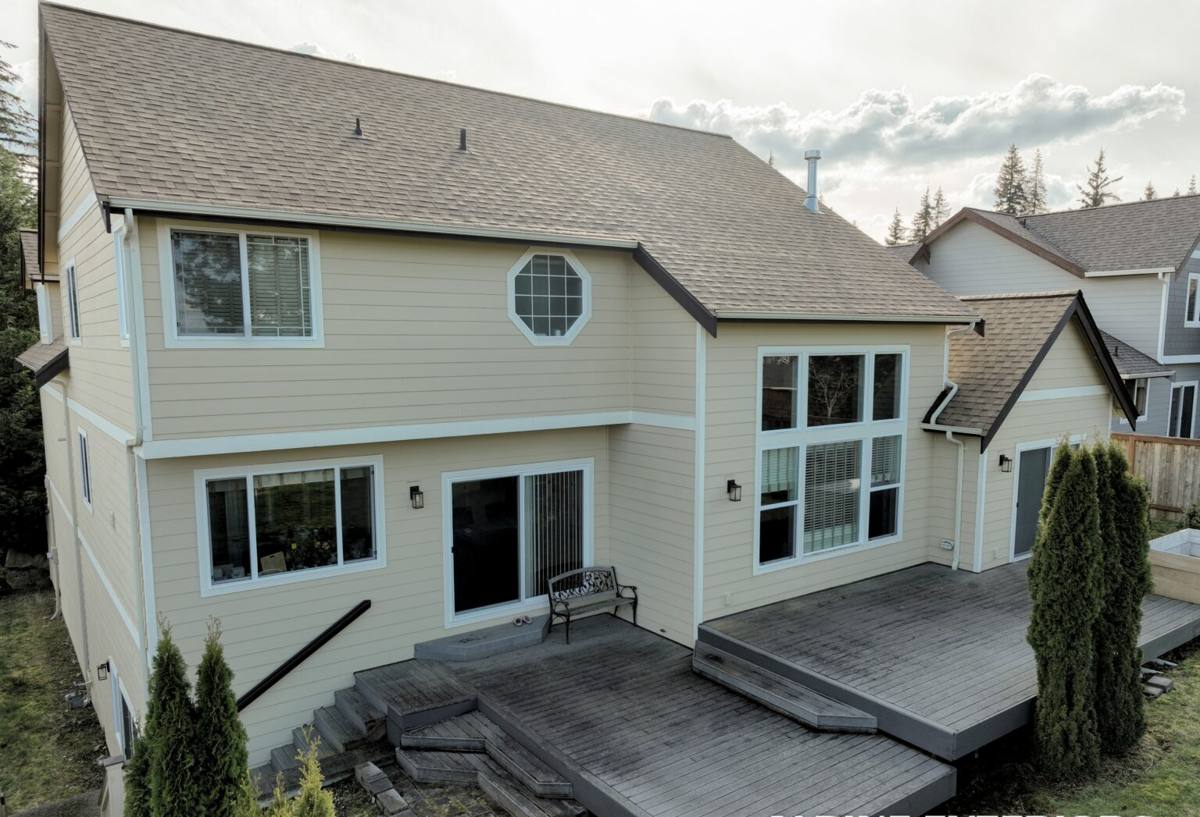
What Salt Air and Coastal Humidity Do to a Deck Over Time
Salt air is corrosive to metal, full stop. Standard deck screws, nails, and structural hardware that would last for years inland can start showing rust and pitting within a couple of seasons on the island. Once fasteners corrode, they lose holding strength — and a deck's structural integrity depends entirely on its connections, not just the boards you can see. This is the single most common failure point we find on older decks near the coast, and it's almost always invisible until someone notices a board that's started to feel loose or squeaky.
Humidity and wind-driven rain create a second, related problem: wood and composite decking that doesn't get proper airflow underneath stays damp longer after every storm. That constant damp-dry cycle accelerates wood rot in framing members and can lead to mold or mildew staining on the surface of the decking itself, even on products marketed as low-maintenance.
Why This Matters More on the Island Than Inland
A deck built the same way in, say, east Manatee County will simply age slower than an identical deck in Holmes Beach. It's not that inland decks are immune to these issues — it's a matter of degree and timeline. Homeowners moving to the island from inland Florida, or from out of state, are often surprised at how much faster untreated or mismatched materials show wear here.
UV Exposure and Material Fading
Florida sun is intense everywhere in the state, but open, low-tree-cover properties near the water take the full brunt of it with no natural shade breaks during the day. UV breaks down the lignin in wood fibers, which is what causes untreated or under-maintained wood decking to gray and become brittle over time. Composite decking resists this differently than wood does, but not all composites resist it equally — cheaper composite products can fade unevenly or chalk on the surface faster than mid- and upper-tier products, especially on south- and west-facing decks that catch afternoon sun directly.
This is one of the reasons we walk homeowners through actual product samples and manufacturer warranty language before recommending a decking material, rather than defaulting to whatever is cheapest or most common. A deck that fades unevenly within a few years isn't a bargain, even if the upfront cost was lower.
Wind Load and Hurricane-Season Considerations
Manatee County sees hurricane-force wind events, and a deck attached to a home or standing as a freestanding structure needs to be built to handle uplift and lateral load, not just the static weight of furniture and people. This comes down to a few structural fundamentals:
- Proper ledger board attachment where the deck connects to the house, with flashing that keeps water from getting behind the connection
- Post-to-beam and beam-to-joist connections using rated hardware, not just toe-nailing or screws alone
- Footings sized and set to local frost-free, high-water-table conditions rather than a generic inland spec
- Guardrail and stair framing built to code load requirements, since these take direct wind and human load together
A deck that looks finished from the top can still be under-built where it counts. We build to the structural requirements that apply in this wind zone, not to the minimum that might pass in a calmer inland market.
Choosing the Right Decking Material for Holmes Beach
There isn't one universally "best" decking material — the right choice depends on budget, maintenance tolerance, and how close the home is to open salt water. Here's an honest breakdown of the trade-offs we walk homeowners through:
| Material | Coastal Durability | Maintenance | Typical Trade-Offs |
|---|---|---|---|
| Pressure-treated wood | Moderate — needs consistent upkeep | Regular sealing/staining, roughly every 1-2 years on the island | Lowest upfront cost, but highest long-term labor if you want it to last and look good |
| Composite decking (mid-tier) | Good | Low — occasional washing | Higher upfront cost than wood; quality varies a lot by brand and product line |
| Composite decking (premium, capped) | Very good | Low | Highest upfront cost; best fade and stain resistance for direct-sun, salt-air exposure |
| Tropical hardwoods (e.g., ipe) | Very good if maintained | Moderate — periodic oiling to prevent graying | Dense, heavy, durable, but requires disciplined maintenance and costs more to install |
We don't push one product line for every homeowner. What we do is explain the real maintenance commitment behind each option honestly, because a low-maintenance marketing claim doesn't mean zero-maintenance, and a homeowner who understands that going in is a lot happier five years later.
Fasteners and Hardware — The Part Nobody Sees
This deserves its own mention because it's so often overlooked. On a barrier island property, we use stainless steel or coated corrosion-resistant fasteners and structural hardware rated for coastal exposure, not standard galvanized hardware that's fine for an inland build. The cost difference is small relative to the whole project; the difference in how the deck holds up over ten years is not small at all.
Our Process for a Holmes Beach Deck Build
Every deck project follows the same basic sequence, but the details at each step are shaped by island conditions:
- On-site assessment: We look at sun exposure, drainage, proximity to the water, existing structure (if this is a replacement), and any permitting or setback questions specific to the property.
- Design and material selection: We talk through decking material, railing style, and layout with the trade-offs above laid out plainly, matched to your budget and how much upkeep you actually want to do.
- Permitting: Manatee County and local municipal requirements apply to most deck construction and replacement projects; we handle the permitting process as part of the job.
- Demolition (if replacing): Old decking and, where needed, framing is removed and hauled off, and we inspect ledger and structural connections to the home before rebuilding.
- Framing: Footings, posts, beams, and joists go in first, built to the load and connection standards this wind zone calls for.
- Decking and railing installation: Boards and railing go on last, with attention to fastener spacing and expansion gaps appropriate to the material.
- Final walkthrough: We go over the finished deck with you, including any maintenance schedule the material calls for.
Ventilation and Drainage Under the Deck
A detail that's easy to overlook: how air and water move underneath the deck matters as much as what's on top of it. Framing that's boxed in tight with no airflow traps moisture after every rain, which speeds up rot in wood framing regardless of what decking material sits on top. We build in proper spacing and, where the site allows it, drainage paths that keep water from pooling under the structure. This is a small design decision at build time that has an outsized effect on how long the framing lasts.
Ground-Level vs. Elevated Decks
Elevated decks common on some Holmes Beach properties — particularly homes built up for flood elevation — have more exposed framing underneath, which means more surface area exposed to salt air and humidity. That framing needs the same corrosion-resistant hardware and attention to ventilation as the visible deck surface, since it's structurally just as important and harder to inspect casually.
A Pre-Build Checklist for Homeowners
Before committing to a deck project on the island, it's worth thinking through the following:
- How close is the property to open water, and how much direct salt spray does it realistically get?
- How much sun exposure does the deck location get through the day, especially in the afternoon?
- How much ongoing maintenance are you realistically willing to do — sealing and staining, or occasional washing?
- Is this an attached deck (tied into the home's ledger) or freestanding?
- Are there existing drainage issues on the property that could affect footings or under-deck moisture?
- Do you need permitting handled as part of the project, or do you already have plans drawn?
Why Hiring a Crew That Already Works Holmes Beach Matters
A contractor who mostly builds decks in dry, inland climates will often use the same materials and hardware specs everywhere, because that's what works where they usually build. That approach doesn't hold up the same way once salt air, direct sun, and hurricane-season wind loads are all part of the daily environment. Working Manatee County's coastal communities regularly means we've seen firsthand how different fastener grades, decking products, and framing details perform after a few years in this specific climate — not in a lab spec sheet, but on real decks in real Gulf-coast weather.
It also means we're familiar with the permitting expectations for the area and can plan a project timeline around what actually needs to happen here, rather than relearning local requirements on your project.
Get a Free, No-Pressure Estimate
If you're planning a new deck or need to replace one that's showing its age on Anna Maria Island, we're happy to come take a look, talk through material options honestly, and give you a straightforward estimate — no pressure, no obligation. Use the form below to get started.