 Bradenton
 Why Bradenton Beach Homes Need Windows Built for This Exact Environment
Bradenton Beach sits right where Anna Maria Sound meets the Gulf, and that location is exactly what makes window replacement here different from a job three miles inland in downtown Bradenton. Homes on the barrier island take the full brunt of Gulf weather: hurricane-force wind gusts during storm season, wind-driven rain that gets pushed sideways into window frames, salt-laden air that corrodes hardware year-round, and intense subtropical UV that breaks down seals and finishes faster than almost anywhere else in the country. A window that performs fine in a landlocked neighborhood can fail early here — not because it's a bad product, but because it was never engineered for this exposure.
Custom windows aren't a luxury upsell on the island. Older Bradenton Beach homes, especially the classic elevated cottages and mid-century block construction common in this part of Manatee County, rarely have standard, off-the-shelf window openings. Settling, prior renovations, and non-square framing mean an accurate custom fit is often the only way to get a window that actually seals correctly against wind-driven rain instead of just looking like it fits.
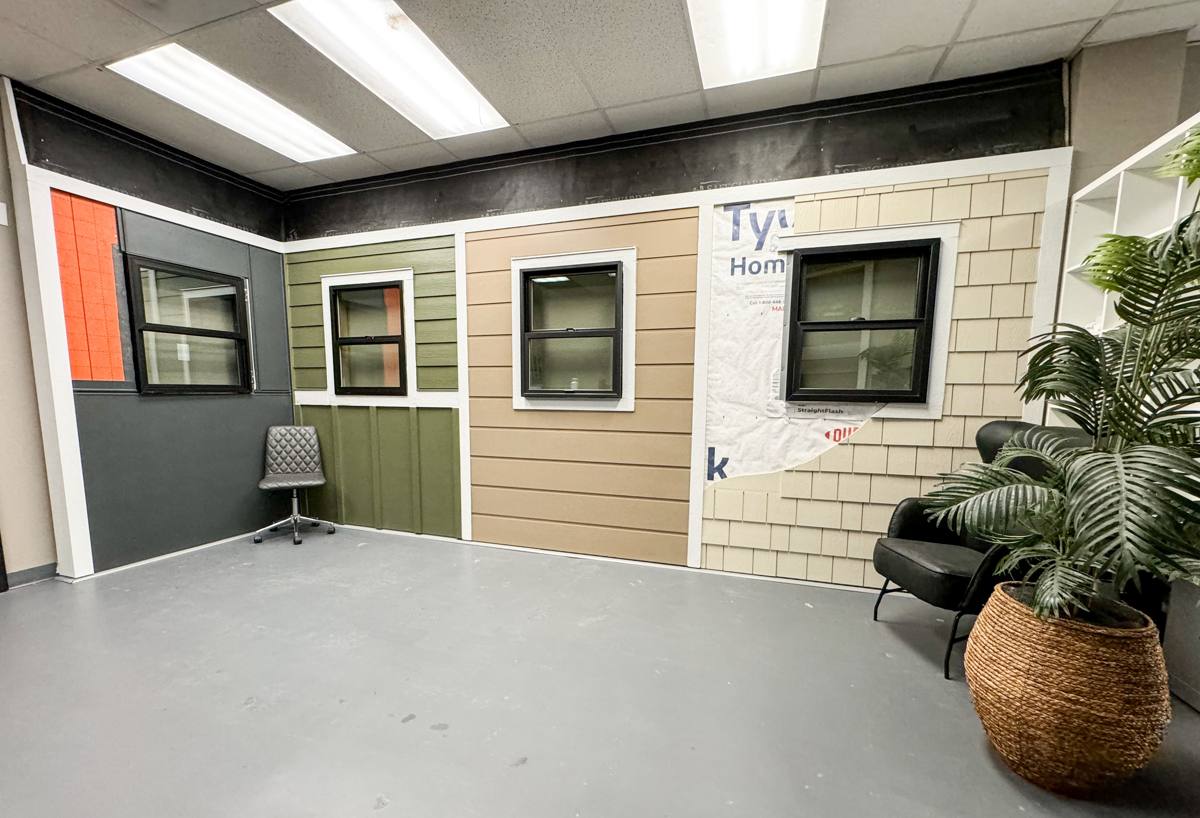
What "Custom" Actually Means for a Coastal Job
Precise Measurement, Not Assumptions
Every opening on an older coastal home is measured individually — width, height, diagonal squareness, and depth of the rough opening. On barrier island homes we frequently find openings that are out of square by enough to matter, especially on homes that have been through multiple storm seasons. A custom-built window compensates for that; a stock size forces the installer to compensate with excess shims and caulk, which is where leaks start.
Matching the Product to the Exposure
Custom also means selecting frame material, glass package, and hardware based on where the window actually sits on the house. A window facing open water and prevailing wind needs a different design pressure rating and a different level of corrosion resistance than a window on a sheltered interior wall of the same home. Treating every opening the same is how homeowners end up replacing "premium" windows again in eight or nine years instead of getting the service life they paid for.
Impact-Rated vs. Non-Impact: What Bradenton Beach Homeowners Should Know
Florida Building Code requires windborne-debris protection for homes in coastal wind zones like Manatee County's barrier islands — either impact-rated glass or approved hurricane shutters/panels on every opening. Most Bradenton Beach homeowners choose impact-rated windows outright, since it removes the need to install and store shutters before every storm.
| Factor | Impact-Rated Windows | Non-Impact + Shutters |
|---|---|---|
| Storm prep | None — windows stay in place | Shutters/panels must be installed before every storm |
| Daily UV & noise performance | Laminated glass blocks more UV and sound | Standard glass; no added benefit day-to-day |
| Upfront cost | Higher per opening | Lower window cost, added shutter cost |
| Insurance impact | Often qualifies for wind mitigation credits | Credits depend on shutter type and rating |
| Long-term maintenance | Frame and glass built for constant exposure | Shutters need separate upkeep and hardware checks |
Neither option is "wrong," and we'll walk through both honestly rather than push whichever is more profitable for us. Some homeowners with existing, well-maintained shutter systems are better off putting their budget into a quality non-impact window and keeping the shutters. Most oceanfront and near-water Bradenton Beach properties end up choosing impact-rated glass simply because it's one less thing to manage before a storm.
Design Pressure Ratings Matter More Than the Brand Name
Every window installed near open water should carry a design pressure (DP) rating appropriate to its wall's height and exposure category, not just a generic "hurricane-rated" label. We calculate the required DP for each opening based on its location on the structure before recommending a product, rather than installing the same rating across the whole house regardless of exposure.
Frame Materials and Glass: What Holds Up in Salt Air
Salt air is corrosive to metal hardware and can degrade certain finishes faster than inland exposure. For Bradenton Beach installations, we lean toward frame and hardware combinations with proven coastal corrosion resistance, and we're upfront when a particular finish or hardware option isn't a good fit for direct salt exposure — that's a maintenance and warranty issue for the homeowner down the road, not just an aesthetic preference.
- Vinyl and fiberglass frames generally resist salt corrosion better than untreated aluminum in direct coastal exposure
- Stainless steel or marine-grade hardware holds up longer than standard-grade fasteners and hinges
- Laminated impact glass blocks a significant share of UV transmission, which slows fading of interior floors and furnishings
- Low-E coatings help manage solar heat gain given Bradenton's year-round sun exposure
- Proper flashing and sealant selection matters as much as the window itself — even a great window leaks if it's flashed wrong
Our Installation Process
1. On-Site Assessment
We inspect each opening, note framing condition, check for prior water intrusion or wood rot, and measure for true fit rather than assuming standard dimensions.
2. Product Selection and Permitting
We help select frame, glass, and DP rating per opening, then handle the permit application through Manatee County (or the City of Bradenton Beach where applicable) — impact-rated window installations require a permit and inspection, and skipping that step can cause problems at resale or with insurance claims later.
3. Removal and Opening Prep
Old windows are removed carefully to protect surrounding stucco, siding, or trim. Any rot or damaged framing found underneath gets addressed before the new window goes in — installing a new window over a compromised opening just hides a problem instead of fixing it.
4. Installation and Sealing
The window is set, shimmed to level and square, mechanically fastened per the manufacturer's and code's requirements, and sealed with a flashing and sealant system suited to wind-driven rain exposure — not just a bead of caulk around the trim.
5. Inspection and Walkthrough
Permitted work gets a county inspection. We also walk the homeowner through operation, hardware care, and what to watch for over the first year.
What a Correct Job Looks Like (And What to Watch For)
Bad window installs on the coast tend to fail quietly — a small gap in flashing or an undersized fastener schedule won't show up until the first serious storm pushes rain sideways into the wall cavity. Here's what should be true of any Bradenton Beach window job:
- Rough opening measured and shimmed for true square, not forced to fit
- Fastener type, spacing, and embedment match the manufacturer's tested installation instructions for the rated DP
- Flashing integrates with the existing wall assembly, not just caulked over it
- Permit pulled and inspection passed for any impact-rated or structural opening change
- Product's NOA (Notice of Acceptance) or Florida product approval matches what's actually installed
- Interior and exterior sealant is a product rated for continuous UV and salt exposure, not general-purpose caulk
Maintenance That Actually Extends Window Life Here
Even the right window installed correctly needs some upkeep in a salt-air environment. Rinsing frames and tracks with fresh water periodically helps prevent salt buildup that accelerates corrosion on hardware and hinges. Sealant lines should be checked yearly, since intense UV and constant temperature swings break down exterior caulk faster on the coast than inland. Weep holes need to stay clear so wind-driven rain that does reach the frame can drain out rather than pool. None of this requires a service contract — it's a few minutes a couple of times a year, and it's the difference between a window that looks and performs well after ten years and one that doesn't.
Cost Factors for Bradenton Beach Window Projects
Pricing depends heavily on the specifics of each home, but the main variables are consistent across most projects:
| Factor | Impact on Cost |
|---|---|
| Number and size of openings | Largest single driver of total project cost |
| Impact-rated vs. non-impact glass | Impact glass typically costs more per unit |
| Frame material | Vinyl generally less than fiberglass or premium aluminum |
| Opening condition | Rot repair or framing correction adds cost beyond the window itself |
| Design pressure requirements | Higher-exposure walls need higher-rated (costlier) products |
| Permitting complexity | Structural changes or historic considerations can add time and fees |
We'll always give a written, itemized estimate before any work starts, broken out by opening, so you can see exactly what's driving the number rather than getting a single lump-sum figure.
Why Local Experience on Bradenton Beach Specifically Matters
A contractor who mainly works inland Manatee County jobs may not have current, hands-on familiarity with barrier island wind exposure categories, salt corrosion patterns, or the local permitting process for coastal properties. Crews who regularly work Bradenton Beach and the surrounding coastal communities know which framing issues tend to show up in this area's older housing stock, which hardware and finish combinations actually hold up under direct salt exposure, and how to navigate permitting for structures near the water. That familiarity shows up in fewer surprises during the job and fewer callbacks after it.
It also matters for something homeowners don't always think about upfront: documentation. Insurance carriers writing coastal wind policies often want proof of proper impact-rated installation and permit sign-off. A crew that does this work regularly on the island already has that process dialed in, rather than treating it as a one-off.
Get a Straightforward Estimate
If you're weighing a window replacement or upgrade for a Bradenton Beach property, we're happy to come take a look, measure your openings, and walk you through your real options — impact-rated or shuttered, vinyl or fiberglass, full-house or a phased approach. There's no pressure and no obligation. Use the form below to request a free estimate.