 Bradenton
 Windows Built for Where Whitfield Estates Sits
Whitfield Estates is an established, near-coastal community in Manatee County, close enough to open water that salt air, wind-driven rain, and storm exposure are a daily fact of life for the homes here, not an occasional inconvenience. Windows in this part of the county take a different kind of beating than windows fifty miles inland: constant UV breaks down seals and vinyl, salt-laden humidity corrodes hardware and fasteners, and every summer brings the real possibility of hurricane-force wind loads pressing directly on glass and frame. A window that's merely "good quality" by national standards can still be the wrong choice for a house sitting this close to the bay.
Correct window installation here means treating the window as part of the building envelope, not just a hole with glass in it. The frame, the flashing, the sealant, the anchoring, and the glass itself all have to work together to keep water out under wind-driven rain and to hold under storm-level pressure. Get any one of those wrong and you end up with a window that looks fine on day one and fails quietly for years afterward — fogging, staining, soft framing around the opening, or worse, water intrusion you don't see until it's already done drywall and insulation damage.
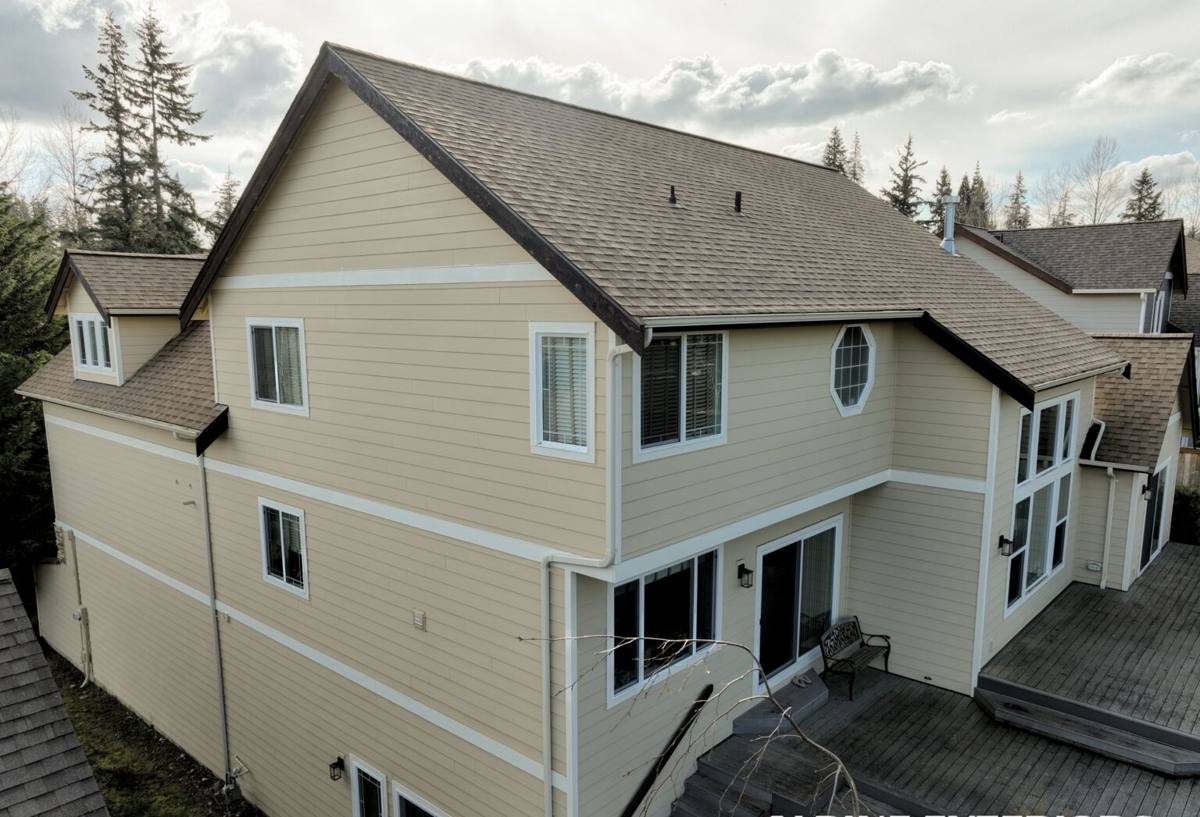
What Local Homes Are Actually Fighting
Salt Air and Corrosion
Airborne salt accelerates corrosion on window hardware, screws, hinges, and low-grade aluminum components. Over a few years, cheap fasteners and mill-finish metal can pit and weaken in ways that aren't obvious from the inside of the house. This is one of the biggest reasons hardware and fastener selection matters as much as the glass itself in a coastal-influenced neighborhood like this one.
UV Exposure
Florida's sun is intense and constant, and it works on window seals, vinyl frames, and low-E coatings year-round. Seal failure from UV breakdown shows up as fogging between panes (a failed insulated glass unit) or as frames that discolor and go brittle faster than the manufacturer's warranty language would suggest.
Wind-Driven Rain
It doesn't take a hurricane to push water sideways through a poorly sealed window. Regular Gulf-season storms drive rain at angles that a flat, unsealed, or improperly flashed installation simply won't stop. Most water intrusion problems we find in older installations trace back to flashing and sealant details, not the window unit itself.
Storm-Force Wind Loads
Manatee County sits in a wind zone where windows have to be engineered and installed to resist real pressure, both positive (wind pushing in) and negative (wind pulling out, which is often the more dangerous load on a wall). An improperly anchored window can fail structurally before the glass even breaks.
What a Correct Installation Actually Involves
A proper window replacement or new installation isn't just popping in a new unit where the old one sat. Every step below affects how the window performs over the next 15-20+ years, not just how it looks on install day.
- Opening inspection: checking the rough opening for rot, deteriorated framing, or prior water damage before anything new goes in
- Correct sizing and squaring: an out-of-square opening forces shims and gaps that become future leak points
- Flashing integration: tying the window's flashing into the wall's existing weather-resistive barrier so water sheds outward, not into the wall cavity
- Sealant selection and application: using sealants rated for exterior, UV, and coastal exposure — not general-purpose caulk
- Anchoring to manufacturer and code specs: fastener type, spacing, and embedment matched to the wind load the window is rated for
- Interior and exterior finish work: trim, sill pan detailing, and insulation around the frame so the seal is complete on both sides
Skipping or rushing any one of these steps is how a window that's rated for hurricane-force wind still ends up failing at the installation, not the product. This is the detail that separates a window that performs for two decades from one that needs attention again in three or four years.
Signs a Window Needs Attention
Homeowners in Whitfield Estates often reach out after noticing one of the following. None of these are emergencies on their own, but they're all worth having looked at before the next storm season:
- Fogging or haze between panes of double-pane glass — a sign the seal has failed
- Visible daylight, drafts, or whistling around the frame when it's windy
- Soft or discolored drywall, trim, or sill area near a window after heavy rain
- Windows that are difficult to open, close, or lock — often a sign the frame has shifted or warped
- Chalky, pitted, or corroded exterior hardware and frame surfaces
- Visible gaps in old caulking or sealant that's cracked, shrunk, or pulled away from the frame
Window Options: A Practical Comparison
There isn't one "right" window for every home — it depends on the home's age, exposure, and what the homeowner wants to prioritize. Here's how the common options compare for a coastal-influenced Manatee County property:
| Window Type | Wind/Impact Performance | Maintenance | Typical Fit |
|---|---|---|---|
| Impact-rated (laminated glass) | Highest — holds under debris impact and design wind pressure without external shutters | Low; no separate storm panels to install/remove | Direct wind and storm exposure, owners who want set-and-forget protection |
| Non-impact + separate storm protection | Adequate when shutters/panels are actually deployed before a storm | Higher; requires storm prep every season | Budget-conscious owners willing to manage shutters |
| Vinyl frame | Good when properly reinforced and rated | Low; won't corrode, but UV can degrade cheaper vinyl over time | Most residential applications |
| Aluminum frame | Strong structurally when marine-grade or properly coated | Moderate; lower-grade aluminum is prone to salt corrosion | Homes wanting slimmer sightlines, willing to invest in quality-grade material |
We don't push a single brand or material as the answer for every house. The honest trade-off is usually cost versus convenience: impact glass costs more up front but removes the storm-prep burden entirely, while non-impact windows paired with shutters cost less initially but only protect the home if someone actually puts the shutters up in time.
How Our Process Works
- On-site assessment: we look at existing openings, framing condition, current window performance, and how exposed the specific elevation of the house is to prevailing wind and rain
- Product and sizing recommendation: matched to the home's wind zone rating requirements and the homeowner's priorities (cost, maintenance, appearance)
- Written estimate: clear scope, materials, and pricing before any work begins
- Permitting: we handle the permit process through Manatee County so the installation is documented and inspected to code
- Removal and opening prep: old units removed, framing checked and repaired if needed before the new window goes in
- Installation: flashing, sealing, and anchoring done to manufacturer and code specification
- Final inspection and walkthrough: confirming operation, seal, and finish before we consider the job done
Permits and Code Compliance in Manatee County
Window replacement and installation in this area falls under the Florida Building Code's wind-borne debris and wind load provisions, and Manatee County requires a permit and inspection for most window work. This isn't paperwork for its own sake — the permit process is what confirms the window and its installation actually meet the wind rating the home needs. A contractor who offers to skip the permit to save time or money is cutting a corner that matters most exactly when a storm is bearing down on the house. We pull permits as a standard part of the job, not an upsell.
What Affects the Cost
| Factor | Why It Matters |
|---|---|
| Impact vs. non-impact glass | Impact-rated laminated glass costs more per unit but removes the need for separate storm shutters |
| Number and size of openings | Larger openings and more windows increase material and labor, but often reduce per-unit cost |
| Frame material and grade | Marine-grade or reinforced frames cost more than standard-grade material but resist salt corrosion longer |
| Condition of existing openings | Rot, prior water damage, or out-of-square framing adds prep work before installation |
| Permit and inspection requirements | Standard for code-compliant work in Manatee County; factored into the overall project scope |
We give homeowners honest, itemized numbers rather than a single lump figure, so it's clear what's driving the price and where there's room to adjust based on priorities.
Choosing a Contractor for Whitfield Estates Work
A crew that regularly works this specific stretch of Manatee County understands the exposure conditions without having to guess — how prevailing wind hits a given elevation, what kind of flashing detail holds up against wind-driven rain here, and what the county permitting office expects to see on an application. That local familiarity shows up in fewer surprises during installation and fewer callbacks after. Before hiring anyone for window work in this area, it's worth checking for the following:
- Active Florida contractor license and proof of insurance
- Willingness to pull permits through Manatee County rather than working around them
- A written estimate that itemizes materials, labor, and window specifications — not just a total price
- Clear answers about the wind rating and impact rating of the specific products being quoted
- A process for checking and repairing the rough opening, not just swapping the window itself
- References or a track record of work in the local area, not just general residential experience
After Installation: Keeping Windows Performing
New windows still need some basic upkeep in this climate to get their full lifespan. Rinsing accumulated salt residue off frames and glass periodically, checking exterior sealant for cracking once a year (especially after storm season), and making sure weep holes on the exterior track stay clear of debris all go a long way. None of this is heavy maintenance, but skipping it entirely is how a well-installed window still ends up with avoidable problems ten years down the line.
Ready for a Straight Answer on Your Windows?
If you're dealing with drafty, foggy, or aging windows in Whitfield Estates, or you're planning ahead of hurricane season and want to know what impact-rated options actually look like for your home, we're happy to come take a look. Use the form below to request a free, no-pressure estimate — we'll walk the property, answer your questions honestly, and give you real numbers to work from.