 Bradenton
 Why Whitfield Estates Homes Need Storm-Ready, Custom-Fit Windows
Whitfield Estates is one of the more established residential pockets near Bradenton, with a mix of home ages and construction types — older stucco-and-block homes sitting next to newer builds, many of them close enough to the water to catch salt air on a daily basis. That mix matters when it comes to windows, because there's no single "standard" opening size or wall condition across the neighborhood. What works on a 1970s block home doesn't necessarily work on a home built in the last decade.
Manatee County sits in a high-velocity hurricane zone, which means windows here aren't just about looks or energy bills. They're a structural component of the house. When a storm pushes wind-driven rain sideways against a wall, the window assembly — glass, frame, and installation — is what keeps that water and pressure out. Get any part of that wrong and you're not looking at a minor leak; you're looking at water intrusion behind drywall, stucco, and insulation where it's slow to show and expensive to fix.
The Three Forces Working Against Local Windows
Every window installed in this part of Florida is fighting the same three things, year-round, whether a named storm is anywhere near us or not:
- Wind and pressure loads: Sustained hurricane-force winds create both direct impact risk and pressure differentials that can pull a poorly installed window out of its opening.
- UV exposure: Florida's sun is intense and constant, not seasonal. Frame materials and seals that aren't rated for it degrade faster here than almost anywhere else in the country.
- Salt air and moisture: Being close to the coast means airborne salt accelerates corrosion on hardware, fasteners, and lesser-grade metal components, even on homes that aren't waterfront.
A window that's fine in a landlocked, low-wind climate can fail here in a fraction of the time. That's the baseline we design every custom window job around.
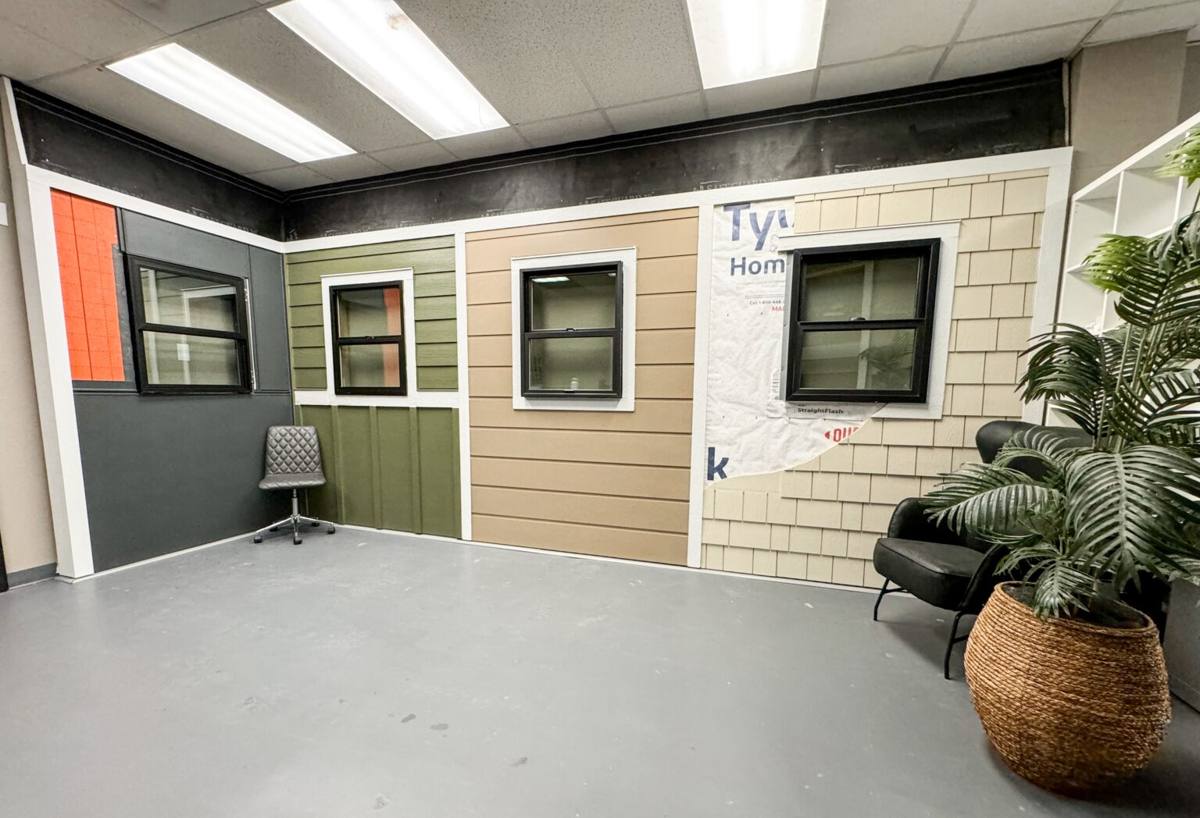
What "Custom" Actually Means for a Neighborhood Like This
"Custom windows" doesn't mean upgraded or upscale for its own sake — it means the window is built and installed to match the actual opening and wall condition in front of us, rather than forcing a stock size to fit. In a neighborhood with this much variation in home age, that's not optional.
Openings That Aren't Standard Sizes
Older homes in this area were often built before modern window sizing conventions were standardized, and additions or past renovations can leave openings that are slightly out of square or non-standard in width and height. Custom-sized windows mean we're not shimming a stock unit into a bad fit and hoping the caulk holds — we're building the window to the opening.
Working With the Existing Wall System
Stucco-over-block, wood frame, and mixed construction all behave differently around a window opening. Block walls hold moisture differently than frame walls, and stucco cracking around old window openings is common and needs to be addressed as part of the install, not painted over afterward. A correct custom job accounts for what's actually in the wall, not a generic assumption.
What a Correct Installation Involves
The window product itself is only part of the equation. Installation quality determines whether that product performs the way it's rated to. This is the area where corners get cut most often, and it's the hardest for a homeowner to inspect after the fact — most of what makes an install right or wrong ends up hidden behind trim and stucco.
Impact Rating and Code Compliance
Manatee County enforces Florida Building Code wind-borne debris requirements, and the specific rating needed for a home depends on its wind zone location and exposure category. We verify what's actually required for the property rather than assuming — over-building isn't necessary, but under-building isn't code-compliant and won't pass inspection.
Flashing and Water Management
This is the part that fails silently. Proper flashing tape, sill pans, and sealant sequencing direct any water that gets past the window itself back out of the wall, instead of letting it sit against sheathing or block. A window can be perfectly rated and still leak for years if the flashing detail underneath it was skipped or rushed.
Frame Material Trade-Offs
| Frame Material | How It Handles Local Conditions | Trade-Offs to Know |
|---|---|---|
| Vinyl | Good UV and salt resistance, no corrosion risk | Can expand/contract with heat cycling; quality varies widely by manufacturer |
| Aluminum | Strong, common in impact-rated Florida windows | Conducts heat; needs a good thermal break and corrosion-resistant hardware near the coast |
| Fiberglass/Composite | Very stable under heat and UV, low expansion | Higher upfront cost; fewer style/color options with some manufacturers |
| Wood (clad) | Best appearance for historic-style homes | Highest maintenance burden in humid, salt-air conditions unless well-clad |
We don't push one material as universally "best" — the right call depends on the home's exposure, the homeowner's maintenance appetite, and budget. What we won't do is install a frame material that's a poor match for a home's specific exposure just because it's cheaper or faster to source.
Our Process, Start to Finish
The process is the same whether it's two windows or a whole-house replacement — we don't skip steps to move faster on smaller jobs.
- On-site assessment: We measure every opening individually, check wall condition, and note any existing water damage or stucco issues around current windows.
- Product selection: We walk through frame material, glass, and rating options based on the home's actual wind zone and exposure, not a generic package.
- Written estimate: Clear scope, materials, and timeline before anything is ordered.
- Permitting: We pull the required Manatee County permits and schedule inspections as part of the job, not as an afterthought.
- Removal and installation: Old windows come out, openings are checked and prepped, flashing and sealant go in correctly, new windows are set and secured to spec.
- Finish work: Interior and exterior trim, stucco patch/paint touch-up as needed so the install looks finished, not just functional.
- Final walkthrough and inspection: We confirm everything operates correctly and passes county inspection before we consider the job done.
Permitting and Inspections in Manatee County
Window replacement in this area almost always requires a permit, especially when the rating or size of the opening is changing. Skipping permits is a common shortcut some contractors use to quote a lower price and move faster — it also leaves the homeowner exposed if there's ever an insurance claim or a future home sale, since unpermitted work can surface during a buyer's inspection or an insurer's review. We handle the permit and inspection process as a standard part of the job, not an add-on.
Insurance is part of this conversation too. Many homeowners in wind-exposed parts of Manatee County see a real difference in windstorm coverage or premiums when their windows are properly rated, permitted, and documented. That paperwork trail only exists if the job was done and permitted correctly the first time.
Why Hire a Crew That Already Works This Neighborhood
There's a real difference between a crew that installs windows generically and one that already knows the wall conditions, permitting expectations, and wind-zone requirements specific to this part of Bradenton. Knowing that a given block of homes tends to have older stucco that cracks a certain way, or that certain wall types need extra attention at the flashing stage, isn't something you get from a spec sheet — it comes from doing the work here repeatedly.
A crew unfamiliar with the area is more likely to treat every home the same way, which is exactly the wrong approach in a neighborhood with this much variation in construction age and style. It also means fewer surprises during the permitting process, since we already understand what Manatee County inspectors are checking for on this type of work.
After Installation: Keeping Windows Performing
A correctly installed, properly rated window still needs basic upkeep in this climate. None of it is complicated, but skipping it shortens the life of even a good installation.
- Rinse frames and tracks periodically to clear salt residue, especially on homes closer to the water
- Check exterior caulk and sealant lines yearly for cracking or separation, particularly after storm season
- Keep weep holes clear of debris so water can drain out as designed
- Operate hardware (locks, cranks, rollers) regularly so components don't seize from disuse
- Watch for chalking, discoloration, or soft spots on frames as early signs of UV or moisture wear
- Have any interior condensation or staining around a frame checked promptly rather than waiting
Getting Started
If you're weighing whether it's time to replace windows on a Whitfield Estates home, we're happy to take a look, measure what you actually have, and give you a straight answer on what your home needs — no pressure, no inflated scope. Reach out for a free estimate using the form below.