 Bradenton
 Asphalt Shingle Roofing for Whitfield Estates Homes
Whitfield Estates sits close enough to the water that its homes take a different kind of beating than roofs a few miles inland. Between the hurricane season winds, the near-constant Florida sun, and the salt carried in off the bay, an asphalt shingle roof here has to work harder than the same roof would in a drier, calmer climate. We install and repair asphalt shingle roofing throughout Manatee County, and Whitfield Estates is one of the areas we know well enough to spot problems before they turn into leaks.
This page covers what asphalt shingle roofing needs to hold up in this specific environment, what a properly done job actually involves, and how we approach the work when you call us out to your property.
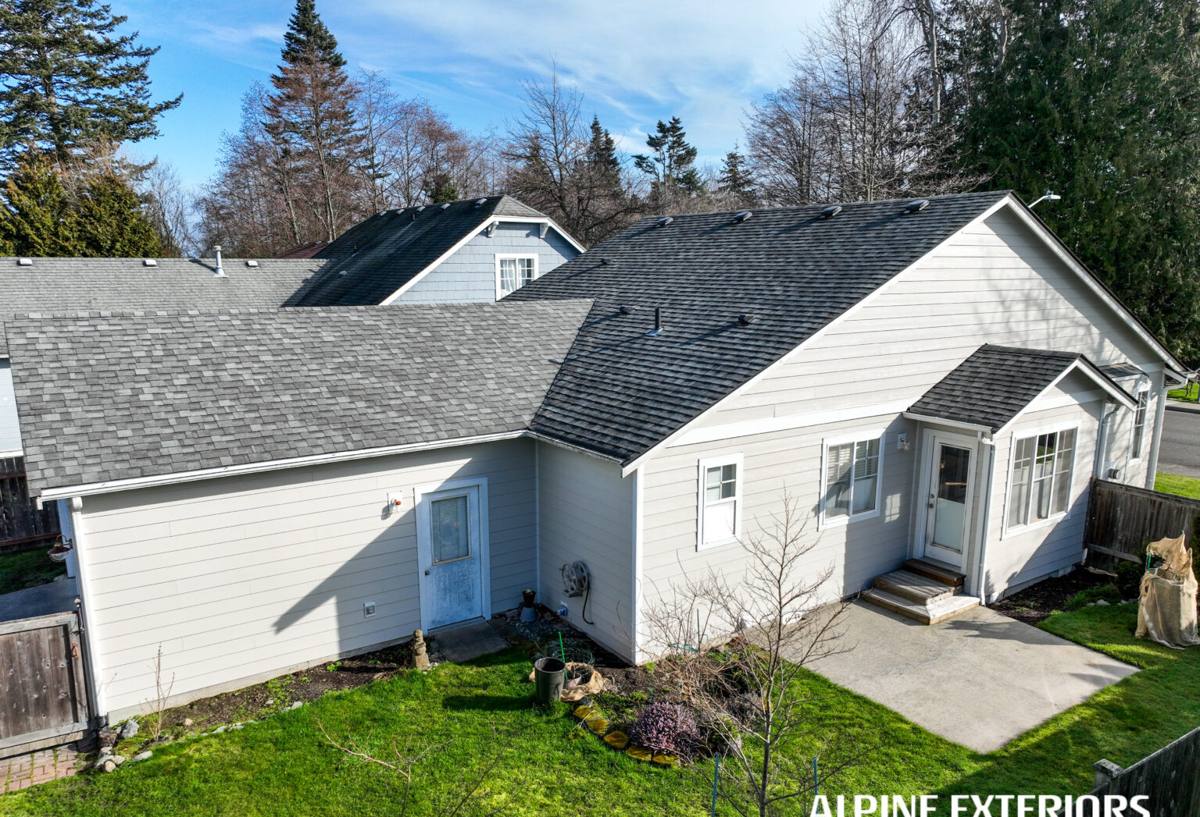
What the Local Climate Does to a Shingle Roof
Asphalt shingles are a proven, cost-effective roofing material, but they age differently depending on where they're installed. In Whitfield Estates, four things drive most of the wear we see:
- Hurricane-force wind: Even roofs outside a storm's direct path take repeated wind-loading over a season. Shingles with weak nailing or aging adhesive strips are the first to lift, crack, or blow off entirely.
- Year-round UV exposure: Central Florida sun breaks down the asphalt binder in shingles faster than in northern climates, causing granule loss and brittleness well before a shingle's rated lifespan is up.
- Wind-driven rain: During tropical systems, rain doesn't just fall — it's pushed sideways and up under shingle edges and flashing. A roof that would keep out a normal rainstorm can still leak in a wind-driven event if the underlayment and flashing details aren't right.
- Salt air: Airborne salt accelerates corrosion on exposed metal — nails, flashing, vent boots, and drip edge — which is often what fails first, not the shingles themselves.
None of this means asphalt shingles are the wrong choice for a home in this area. It means the installation details — fastening, underlayment, flashing, and metal quality — matter more here than they would somewhere with milder weather.
What a Correct Installation Actually Involves
The Deck and Underlayment
The shingles are the visible layer, but the roof's real defense against wind-driven rain is what's underneath. We check the roof deck for soft spots or delamination before anything goes down, and we use an underlayment rated for this climate — not the cheapest option available. On roofs where wind exposure is a real concern, a self-adhering underlayment at eaves, valleys, and penetrations gives an extra layer of protection where water is most likely to find a way in.
Nailing Pattern and Wind Rating
Most shingle failures we see in coastal Florida trace back to nailing, not the shingle product itself. Manufacturer specs call for a specific number of nails, placed in a specific zone on each shingle, and Florida's building code adds requirements on top of that for wind resistance. Skipping nails, using the wrong length, or nailing too high on the shingle are common shortcuts that hold up fine in mild weather and fail in the first serious wind event.
Flashing and Metal Components
Flashing around chimneys, walls, skylights, and roof-to-wall transitions is where most leaks actually originate — not in the open field of shingles. We use corrosion-resistant metal given the salt air here, and we replace flashing rather than reuse it during a full re-roof, since old flashing rarely seals as well the second time around.
Ventilation
A hot, poorly ventilated attic shortens shingle life from underneath, cooking the shingles from the deck up. Proper intake and exhaust ventilation keeps attic temperatures down and helps prevent moisture buildup that can rot decking over time — a slower but very real threat in Florida's humidity.
Shingle Options and How They Perform in This Area
Not every asphalt shingle product is built the same way, and the differences matter more in a coastal wind zone. Here's how the common options compare for a home in Whitfield Estates:
| Shingle Type | Wind Performance | Typical Lifespan Here | Notes |
|---|---|---|---|
| 3-tab shingles | Lower wind rating; more vulnerable to lifting | 12-18 years | Lowest upfront cost, but least suited to this wind exposure |
| Architectural (laminate) shingles | Higher wind rating; heavier and more rigid | 18-25 years | Our standard recommendation for coastal Manatee County homes |
| Impact-rated / high-wind shingles | Highest wind rating available in asphalt | 20-25+ years | Often qualifies for insurance discounts; higher material cost |
Actual lifespan depends heavily on installation quality, attic ventilation, and how exposed a particular roof plane is to prevailing wind and sun — the table above reflects general ranges, not guarantees.
Our Process
- Inspection: We walk the roof (or use a drone where access is limited) to check shingle condition, flashing, decking, and ventilation, and to look for storm damage that isn't visible from the ground.
- Honest assessment: We tell you plainly whether the roof needs repair, partial replacement, or a full tear-off — and why.
- Written estimate: You get a clear scope of work and price before anything is scheduled, including which shingle and underlayment products we're proposing.
- Prep and protection: Landscaping, pool areas, and the ground around the house get covered before tear-off begins.
- Tear-off and deck check: Old shingles come off down to the deck so we can actually see the condition of the wood underneath, not guess at it.
- Installation: Underlayment, flashing, and shingles go on to manufacturer and Florida Building Code specifications, including the nailing pattern.
- Cleanup and final walkthrough: We clear debris, magnet-sweep for stray nails, and walk the finished roof with you before calling the job done.
Signs Your Roof Needs a Look
Most shingle roof problems give warning signs well before a full leak shows up inside the house. Worth checking after any storm, and periodically otherwise:
- Shingles that are curling, cupping, or cracking
- Bald spots where granules have worn away, exposing the darker asphalt underneath
- Shingles missing entirely, or lying loose in the yard after wind
- Soft or spongy spots when walking the roof (if it's safe to do so) or noticeable sagging from the ground
- Rust streaks or corrosion around vent pipes, flashing, or metal edges
- Granules collecting in gutters or at downspout outlets
- Water stains on interior ceilings, especially near chimneys, skylights, or exterior walls
Any one of these on its own isn't necessarily an emergency, but they're worth having looked at before the next storm season rather than after.
Repair or Replace?
Not every issue means a new roof. A localized leak from a single damaged section, a flashing failure, or a handful of missing shingles can often be repaired if the rest of the roof is in reasonable shape and reasonably close in age to the repaired section. Full replacement makes more sense when the roof is nearing the end of its expected lifespan, when damage is spread across multiple roof planes, when the decking underneath has deteriorated, or when the cost of repeated repairs starts to approach what a full re-roof would cost. We'll give you our honest read on which category your roof falls into rather than defaulting to the bigger job.
Why Local Experience Matters in Whitfield Estates
A roofing crew that mostly works inland doesn't always think about salt-air corrosion on fasteners, or how a bayfront property's wind exposure differs from a home a few miles away that's shielded by trees and other structures. We work this part of Manatee County regularly, which means we're familiar with the permitting process locally, we know what wind and moisture exposure actually looks like on homes in this specific area, and we're not learning the coastal Florida details on your roof for the first time.
Permits, Code, and Insurance
Roof replacements in this area fall under Florida Building Code requirements for high-wind regions, which set minimum standards for fastening, underlayment, and, in many cases, secondary water barriers. A permit is typically required for a full re-roof, and we handle that process as part of the job rather than leaving it on you. Beyond code compliance, a properly documented, code-compliant roof — particularly one using wind-rated shingles — can also factor into your homeowner's insurance wind mitigation inspection, which may affect your premium. We're happy to talk through what that looks like for your specific property, though your insurer makes the final call on any discount.
If your roof is showing its age, took a hit in the last storm, or you're just not sure what shape it's in, we're glad to come take an honest look. The estimate is free, there's no pressure attached to it, and you'll get a straight answer about whether you need a repair, a replacement, or nothing at all right now — just fill out the form below to get started.