 Bradenton
 Why Village of the Arts Roofs Take a Different Kind of Beating
Village of the Arts sits inside Bradenton, in Manatee County, and it gets the full range of what Gulf Coast weather can throw at a roof: hurricane-force wind during storm season, intense sun for most of the year, rain that comes in sideways as often as it falls straight down, and salt-laden air working in from the Gulf and Tampa Bay. That combination isn't unique to this one neighborhood, but the mix of older housing stock, closely-set lots, and homes that double as working studios and galleries means a roof failure here carries a different kind of cost than it might elsewhere. A leak doesn't just mean drywall and insulation repair — it can mean damaged artwork, inventory, or work space that's harder to replace than the roof itself.
This page covers one job in one place: roof replacement for homes in Village of the Arts. What this climate actually does to a roof, what correct replacement involves, how our process works, and why hiring a crew that already works this neighborhood — rather than one learning it on your project — makes a real difference.
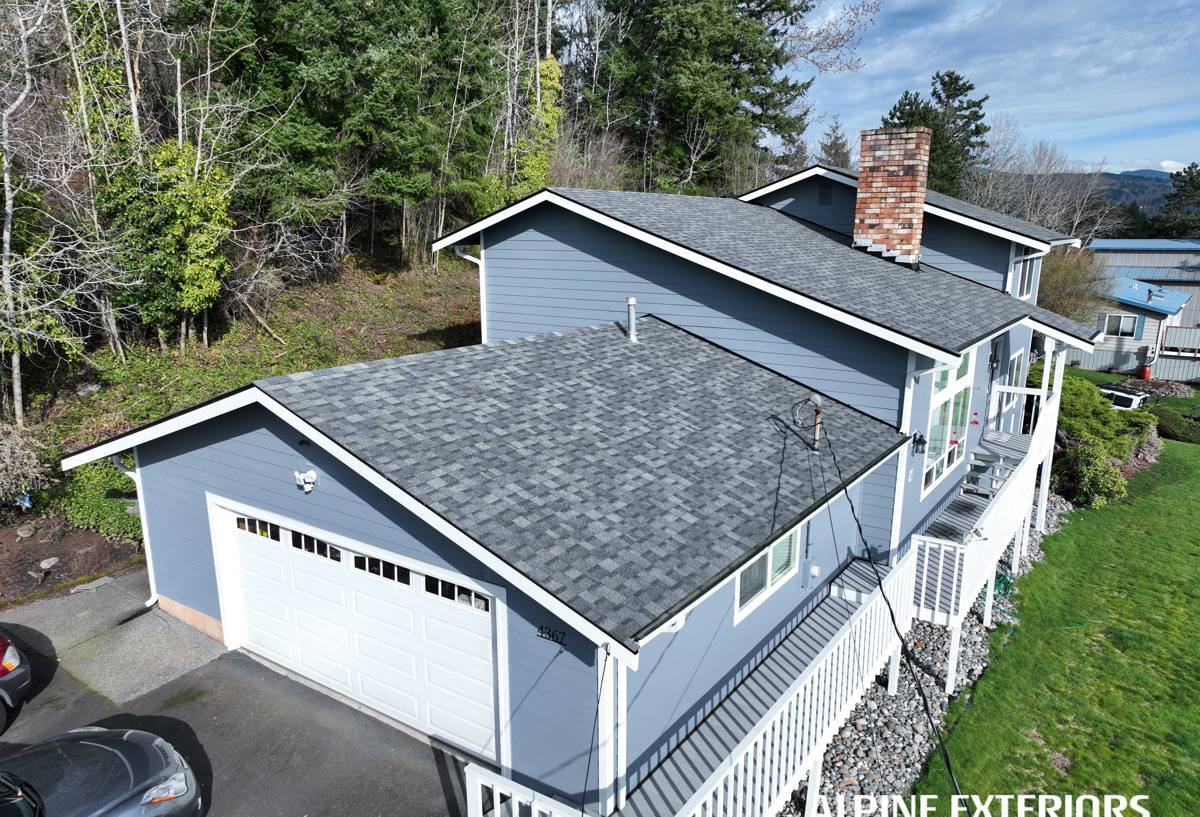
What Bradenton's Climate Does to a Roof Over Time
Hurricane-Force Wind
Manatee County sits well within Florida's hurricane exposure, and even a roof that never takes a direct storm hit still deals with repeated high-wind events over its lifespan. Wind doesn't just tear roofing off in dramatic fashion — more often it works at edges, ridges, and fastener points a little at a time, loosening shingles or panels that then fail faster the next time a storm comes through. Roofing materials and fastening patterns rated for this region's wind requirements aren't optional upgrades here; they're the baseline a roof needs to hold up over a normal Florida storm season, let alone a bad one.
Year-Round UV
Florida gets some of the most intense, consistent sun exposure in the country, and a roof takes that head-on almost every day of the year, not just in summer. UV breaks down asphalt shingle oils and surface granules over time, fades and can degrade lower-quality synthetic and metal finishes, and generally shortens the practical service life of roofing material compared to a less sun-exposed climate. This is a big part of why a roof rated for "25 years" in a manufacturer's brochure often performs closer to the lower end of that range here.
Wind-Driven Rain
Rain in this part of Florida frequently arrives with enough wind behind it to push water sideways and upward into laps, seams, and flashing details that would stay dry in a calmer downpour. A roof built to a bare minimum standard is more likely to leak at valleys, chimney flashing, skylights, and roof-to-wall transitions than one built with underlayment coverage and flashing detail sized for wind-driven exposure rather than straight-down rain.
Salt Air
Being close to the Gulf and Tampa Bay means airborne salt settles on roofing hardware continuously, not just during storms. It accelerates corrosion in fasteners, flashing, vent stacks, and gutter hardware well before that corrosion becomes visible from the ground. A fastener that's lost holding strength to rust doesn't announce itself — it shows up later as a lifted shingle edge or a leak that seems to come from nowhere.
The Extra Factor: Older Homes and Working Studios
Village of the Arts has a distinct character within Bradenton — many of the homes here are older, smaller-footprint construction, and a good number double as galleries, studios, or work space alongside being someone's residence. That combination changes what a correct roof replacement needs to account for. An older roof deck may have settled, been patched multiple times over the decades, or have ventilation that was adequate when it was built but undersized by today's standards. A home that's also a working studio raises the stakes on getting the job right the first time, since the contents underneath aren't limited to typical household items — original artwork, materials, and equipment don't tolerate a slow leak the way a spare bedroom does.
None of this means an older home in this neighborhood needs a different kind of roof than anywhere else in Bradenton. It means the inspection and prep work before installation matter more, because assumptions that hold up on newer construction don't always hold up on a roof deck that's been through several decades of Florida weather already.
Signs Your Roof Is Ready for Replacement
- Shingles that are cupping, curling, or missing granules across large sections rather than one isolated spot
- Rust staining at nail heads, flashing, or metal vent stacks
- Soft or spongy spots underfoot, or sagging visible from the ground or attic
- Daylight visible through the roof deck from inside the attic
- Leaks that show up in more than one location during wind-driven rain
- A roof approaching or past its material's rated service life, especially if it's never been fully replaced
- Granules collecting in gutters in quantities beyond normal light shedding
- Visible storm damage — lifted shingles, exposed underlayment, or missing sections after a wind event
Choosing a Roofing System for This Climate
Material choice matters more here than in a milder, less exposed climate. The table below is a general comparison — actual performance depends as much on installation quality and correct fastening as it does on the product itself.
| Material | Wind & Rain Performance | Salt Air / Corrosion Resistance | Typical Service Life Here |
|---|---|---|---|
| Architectural asphalt shingle | Good with a wind-rated product and correct fastening pattern | Depends on flashing and fastener grade used, not the shingle itself | 15–25 years given this climate's UV and storm exposure |
| Standing seam metal | Excellent when specified with coastal-rated fasteners and clips | High with the right finish and hardware; poor if standard-grade hardware is used | 40–50+ years |
| Tile (concrete or clay) | Very good wind resistance when properly fastened; heavy, needs adequate structure | High for the tile itself; underlayment and flashing still need attention | 30–50 years for the tile, though underlayment typically needs replacement sooner |
| Modified bitumen / low-slope systems | Suited to flat or low-slope sections common on additions and porches | Good when detailed correctly at seams and edges | 15–25 years depending on system |
We'll walk through which system fits a given home's roof pitch, structure, and budget during the estimate rather than pushing one product on every house. Many properties in this neighborhood also have a mix of roof slopes — a steep main roof plus a lower-slope porch or addition — which can mean two different roofing approaches on the same job.
What a Correct Roof Replacement Actually Involves
Tear-Off and Deck Inspection
A full tear-off lets us see the actual condition of the roof deck — soft spots, rot, or old water damage that a re-roof over the existing layer would simply cover up. On an older home, this step often turns up prior patch jobs or deck sections that need attention before anything new goes down. Installing new roofing over a compromised deck just shortens the life of the new material.
Underlayment
Given how often rain here arrives wind-driven rather than straight down, underlayment isn't an afterthought. A synthetic underlayment with strong water resistance, combined with self-adhered membrane at eaves, valleys, and other vulnerable points, gives the roof a real second line of defense if water ever gets past the primary roofing surface.
Flashing
Flashing at chimneys, skylights, vent penetrations, and roof-to-wall transitions is where most leaks on an aging roof actually originate. We use corrosion-resistant flashing suited to salt air exposure and integrate it properly with the underlayment, rather than relying on sealant alone to keep water out over the long run.
Fasteners and Wind Rating
Standard fasteners corrode faster in coastal air than most homeowners expect, and undersized or incorrectly spaced fastening is one of the most common reasons roofs fail in high wind. We spec corrosion-resistant fasteners and follow fastening patterns that meet the Florida Building Code's wind requirements for this part of the county, not a generic minimum.
Ventilation
Proper intake and exhaust ventilation keeps the roof deck drier and helps protect the underside of the roof from heat and moisture damage — both of which matter in a climate where attic temperatures and humidity run high for most of the year. On older homes, ventilation is one of the areas most likely to need correction during a replacement.
Our Roof Replacement Process
- On-site assessment. We inspect the existing roof, deck condition, ventilation, and any problem areas, and take measurements for an accurate estimate.
- Material selection. We go over the options that fit the home's slope, structure, and budget, with honest trade-offs for each.
- Permitting. We handle the Manatee County permit application and required inspections as part of the job.
- Tear-off and deck repair. Old roofing comes off, the deck is inspected, and any damaged sheathing is replaced.
- Underlayment and flashing installation. The moisture barrier and flashing go in first, since this layer determines whether the roof actually stays dry.
- Roofing material installation. The chosen material is installed to manufacturer specification, with fastening pattern and wind rating matched to this area's requirements.
- Ventilation check. Intake and exhaust ventilation are confirmed to be working correctly before close-out.
- Final walk-through. We review the completed roof with the homeowner, cover care and warranty details, and provide documentation for insurance or wind mitigation purposes.
Permits, Wind Mitigation, and Insurance in Manatee County
A full roof replacement in Manatee County requires a building permit, and the work has to pass inspection before it's considered complete. We handle that process as part of the job rather than leaving it to the homeowner to navigate. It's also worth knowing that a new roof, installed to current code, is often the trigger for updating a home's wind mitigation inspection — the document Florida insurers use to price windstorm coverage based on roof shape, deck attachment, and roof-to-wall connections, among other factors. A properly documented replacement can improve that picture, though the actual premium impact depends on the insurer and the rest of the home's construction. We provide the paperwork needed to support an updated wind mitigation inspection; we don't handle the insurance side directly, since that's between the homeowner and their carrier.
Why Hiring a Crew That Already Works Village of the Arts Matters
A roofer who mostly works new-construction jobs elsewhere in Bradenton isn't wrong about roofing in general — they're just working from a different set of defaults. Fastening specs, flashing details, and deck assumptions that are fine on newer construction don't always translate cleanly to an older roof deck that's been patched and repaired over decades. A crew that's already worked homes in this neighborhood has a better sense of what's actually under an aging roof before the tear-off even starts, and how to sequence the work around a property that may also be functioning as a studio or gallery during the project.
There's a practical scheduling side to this too. Homes that double as work or gallery space often need more coordination around access, noise, and protecting contents during a multi-day tear-off and install than a straightforward residential job does. Local experience means that gets planned for up front instead of causing delays mid-project.
If your roof is showing its age, took storm damage, or you're just planning ahead, we're glad to take a look and give a straight assessment — including if the honest answer is that repair, not full replacement, is the better call right now. Reach out below for a free, no-pressure estimate.