 Bradenton
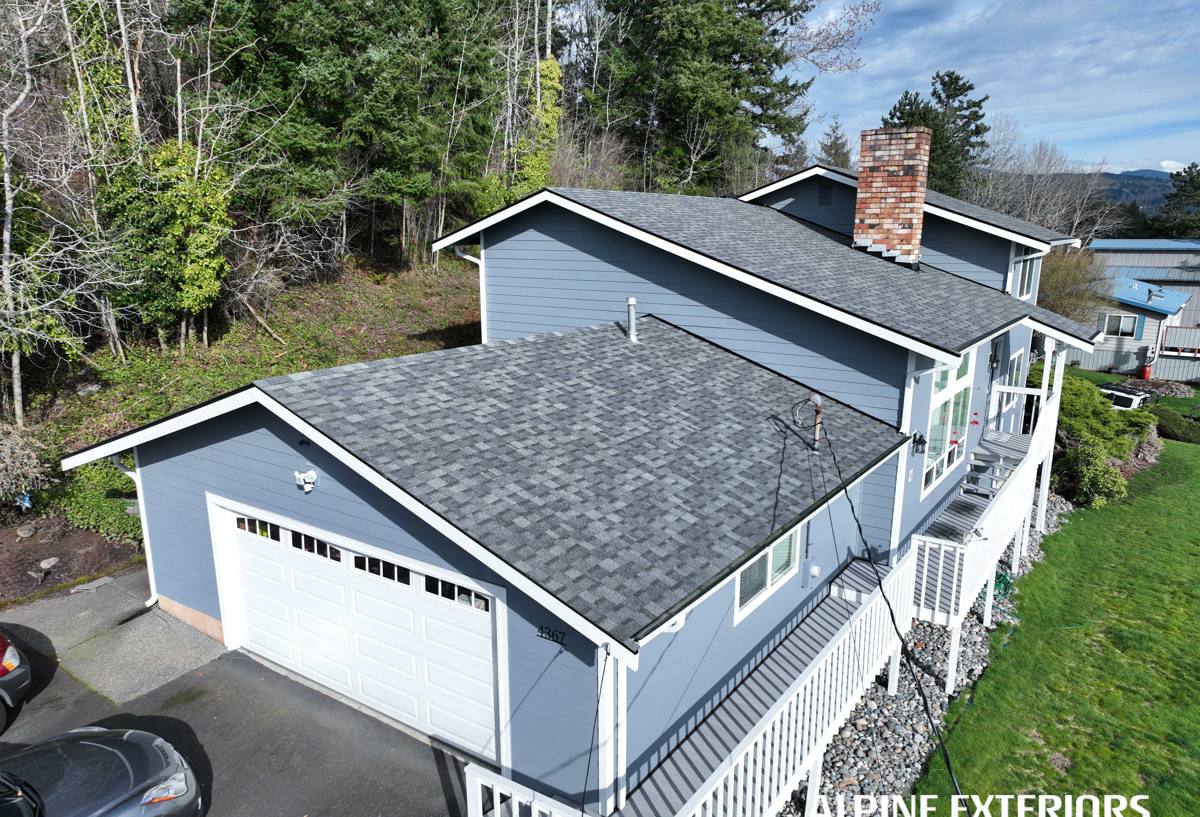
 Asphalt Shingle Roofing Built for Village of the Arts
Village of the Arts sits close enough to the water that every roof in the neighborhood is dealing with the same combination of stresses: hurricane-force wind gusts during storm season, intense UV exposure nearly every day of the year, wind-driven rain that finds any weak point in a roof system, and salt air that slowly corrodes exposed metal. None of that is unique to any one house on any one street — it's the baseline every roof in this part of Manatee County has to handle. An asphalt shingle roof that's installed correctly for these conditions can hold up well for decades. One that's installed with shortcuts, generic underlayment, or the wrong fastening pattern will show problems years before it should.
This page is about that one job — asphalt shingle roofing — done right, for this one neighborhood.
What This Climate Actually Does to a Shingle Roof
Wind
Bradenton doesn't need a direct hurricane hit to put real stress on a roof. Tropical storm-force gusts and the seasonal squall lines that roll through the Gulf Coast are enough to lift poorly sealed shingle tabs, work loose nails back out over time, and peel up ridge caps that weren't fastened to spec. Wind damage is rarely dramatic on day one — it's usually a slow process of edges lifting a little more with each storm until a bigger blow finishes the job.
UV Exposure
Florida sun is harder on roofing than most other parts of the country. UV breaks down the asphalt in shingles over time, drying out the mat and making the granules — the layer that actually protects the shingle from the sun and sheds water — shed faster than they would in a milder climate. This is one of the reasons manufacturer warranties on paper don't always match real-world lifespan here.
Wind-Driven Rain
A roof doesn't have to leak straight down to leak. Wind-driven rain gets pushed sideways and even slightly upward under shingle edges, around chimneys, and along valleys. A roof that would be watertight in a calm rain can still leak in a Gulf Coast storm if the underlayment, flashing, and shingle overlap weren't detailed for wind-driven conditions specifically.
Salt Air
Even a few miles inland, salt carried off the Gulf and Tampa Bay settles on roofs and accelerates corrosion of exposed metal — nail heads, flashing, vent stacks, and drip edge. Standard fasteners and untreated metal components corrode faster here than in inland markets, which is why material choice on the details matters as much as the shingle itself.
What Village of the Arts Homes Specifically Need
Village of the Arts has a mix of older bungalow-style homes and updated or renovated properties, many with mature tree cover and tighter lot spacing than newer Bradenton subdivisions. That mix creates a few practical considerations:
Older Roof Decks
Homes with original or aging roof decking sometimes need plywood or board sheathing repairs before a new shingle roof goes down. A contractor who skips deck inspection to save time is setting up problems that won't show up until the next hard rain.
Tree Cover and Debris
Overhanging branches mean more granule wear from debris, more organic buildup in valleys, and a higher chance of moisture sitting on the roof longer after a storm. Roofs under heavier tree cover benefit from slightly more attention to ventilation and valley detailing than an open, sun-exposed roof would need.
Mixed Home Ages
A roof system that's correct for a newer build isn't automatically correct for an older home with different framing spacing or an already-modified roofline from past additions. Every roof in this neighborhood gets assessed on its own structure, not treated as a standard template.
What a Correct Asphalt Shingle Installation Involves
Asphalt shingle roofing looks simple from the ground, but the parts nobody sees are what determine whether it holds up through wind and rain events over the next 15 to 25 years.
Deck Inspection and Repair
Before anything goes down, the deck gets checked for soft spots, delamination, and fastener holding strength. Shingles are only as good as what they're nailed to.
Underlayment
A synthetic or self-adhering underlayment rated for wind-driven rain provides the real waterproofing layer beneath the shingles. This is the layer that keeps a roof dry if a shingle ever does lift or crack, and it matters more in this climate than in drier regions.
Flashing and Valleys
Chimneys, sidewalls, skylights, and valleys are where the majority of shingle roof leaks originate — not the open field of the roof. Correctly formed and properly lapped flashing, tied into new underlayment rather than reused, is non-negotiable.
Nailing Pattern
Manufacturer nailing patterns exist for a reason, and in high-wind zones the difference between four and six nails per shingle, placed correctly in the nailing strip, is often the difference between a roof that survives a wind event and one that doesn't.
Starter Strip, Hip, and Ridge
Proper starter shingles at eaves and rakes, and correctly fastened hip and ridge caps, are the edges most exposed to wind uplift. These details get shortcut on cheap jobs and are usually the first place a roof fails.
Ventilation
A shingle roof needs balanced intake and exhaust ventilation to let heat and moisture escape the attic. Poor ventilation shortens shingle life from underneath, which is invisible until granule loss or curling shows up years earlier than it should.
Choosing the Right Shingle for This Area
Not every shingle product is built the same, and the right choice depends on budget, wind exposure, and how long you plan to stay in the home. Below is a general comparison — actual specs vary by manufacturer and product line.
| Shingle Type | Typical Wind Rating | Best For | Cost Factor |
|---|---|---|---|
| 3-Tab Shingle | Lower (varies by product) | Budget-conscious replacements, secondary structures | Lowest upfront cost |
| Architectural (Laminate) | Moderate to high, product-dependent | Most primary residences in wind-prone areas | Mid-range, best value for durability |
| Impact-Rated / High-Wind Architectural | Highest available in shingle category | Homes seeking maximum wind resistance and possible insurance credit | Higher upfront, potential long-term insurance savings |
For most Village of the Arts homes, we lean toward architectural shingles rated for higher wind speeds. They cost more than basic 3-tab product but the extra thickness and adhesive strip design hold up noticeably better against the wind and UV combination this area sees year-round. We'll walk through the honest tradeoffs for your specific roof rather than pushing the most expensive option by default.
Repair or Replace: How We Help You Decide
Not every roof problem means a full replacement. We look at a few things before recommending either path:
- Age of the current roof and how much service life realistically remains
- Extent of the damage — isolated wind or debris damage versus widespread granule loss or curling
- Condition of the deck underneath, which sometimes only becomes clear once shingles are pulled back
- Whether damage is limited to one slope or section, which may allow a targeted repair
- Your timeline — an aging roof heading into hurricane season is a different conversation than one with several good years left
We'll always tell you honestly if a repair makes more sense than a full replacement, even though a replacement is the larger job. A roof that only needs a repair doesn't need to become a bigger project.
Our Process, Start to Finish
1. On-Site Inspection
We walk the roof, check the deck where accessible, look at flashing, valleys, and ventilation, and take note of anything specific to your home's age and construction.
2. Straightforward Quote
You get a clear scope of work and pricing — what's being replaced, what materials are being used, and why, without vague line items.
3. Scheduling Around Weather
Gulf Coast roofing work has to be scheduled with an eye on the forecast. We plan installation windows to avoid leaving a roof partially exposed when rain is likely.
4. Tear-Off and Deck Repair
Old shingles and underlayment come off completely — we don't install new shingles over old, worn layers. Any deck issues found at this stage are addressed before moving forward.
5. Installation
Underlayment, flashing, starter strip, field shingles, and ridge are installed to manufacturer spec and adjusted for local wind exposure.
6. Final Walkthrough and Cleanup
We inspect the completed roof, clear the property of debris and stray nails, and go over the finished work with you before calling the job done.
After the Roof Goes On: Maintenance That Actually Matters
A new asphalt shingle roof in this climate still needs occasional attention. A short list of what's worth checking:
- Clear debris and branches off the roof and out of valleys, especially after storms
- Keep gutters clear so water isn't backing up under the eaves
- Watch for lifted or missing shingles after any significant wind event
- Have the roof looked at after a major hurricane or tropical storm, even if nothing looks obviously wrong from the ground
- Check attic ventilation isn't blocked by insulation or storage
Catching a small issue — a lifted shingle, a cracked pipe boot, a clogged valley — before the next storm is almost always cheaper than dealing with the water damage that follows if it's ignored.
Why Hiring a Crew That Already Works in Village of the Arts Matters
A roofing crew that regularly works this neighborhood already understands the housing stock, the tree cover, and the wind exposure without needing to relearn it on your roof. That familiarity shows up in practical ways: knowing what to expect from older decking before pulling the first shingle, understanding how Manatee County permitting and inspection typically move for reroofing work, and being available to respond quickly if storm damage needs an urgent look rather than a multi-week wait from a company that only occasionally works this side of Bradenton.
It also matters for insurance. A local crew that's documented wind mitigation features and storm damage on other homes in the area knows what adjusters and insurers are actually looking for in the paperwork, which can make a real difference in how smoothly a claim moves.
Permitting and Insurance Considerations
Reroofing in Manatee County requires a permit, and most insurers will want documentation of the completed work for their records. If your shingles meet a higher wind rating, it's also worth having a wind mitigation inspection done after installation — it can qualify you for a discount on windstorm insurance, which is a meaningful cost consideration on the Gulf Coast. We handle the paperwork side of the job as part of the process, not as an afterthought.
If you're ready to talk specifics about your roof, we're happy to come take a look and give you a straightforward, no-pressure estimate — just fill out the form below.