 Bradenton
 Why Southgate Roofs Wear Out Faster Than the National Average
Southgate is an established residential pocket of Bradenton, and like the rest of Manatee County, it sits in a climate that is genuinely hard on roofing. This isn't a coastline-only problem — salt-laden air moves well inland across this part of Florida, and it settles on metal fasteners, flashing, and exposed hardware everywhere it goes. Add in intense, near-constant UV exposure, wind-driven rain that finds every weak seam, and the real possibility of hurricane-force gusts during storm season, and you have a combination that shortens the practical lifespan of a roof compared to what the same materials would last in a drier, milder climate.
None of this means Southgate homes need exotic materials or need to be replaced constantly. It means the replacement has to be done correctly the first time, with materials and installation details matched to this specific climate — not a generic install that happens to be located in Florida.
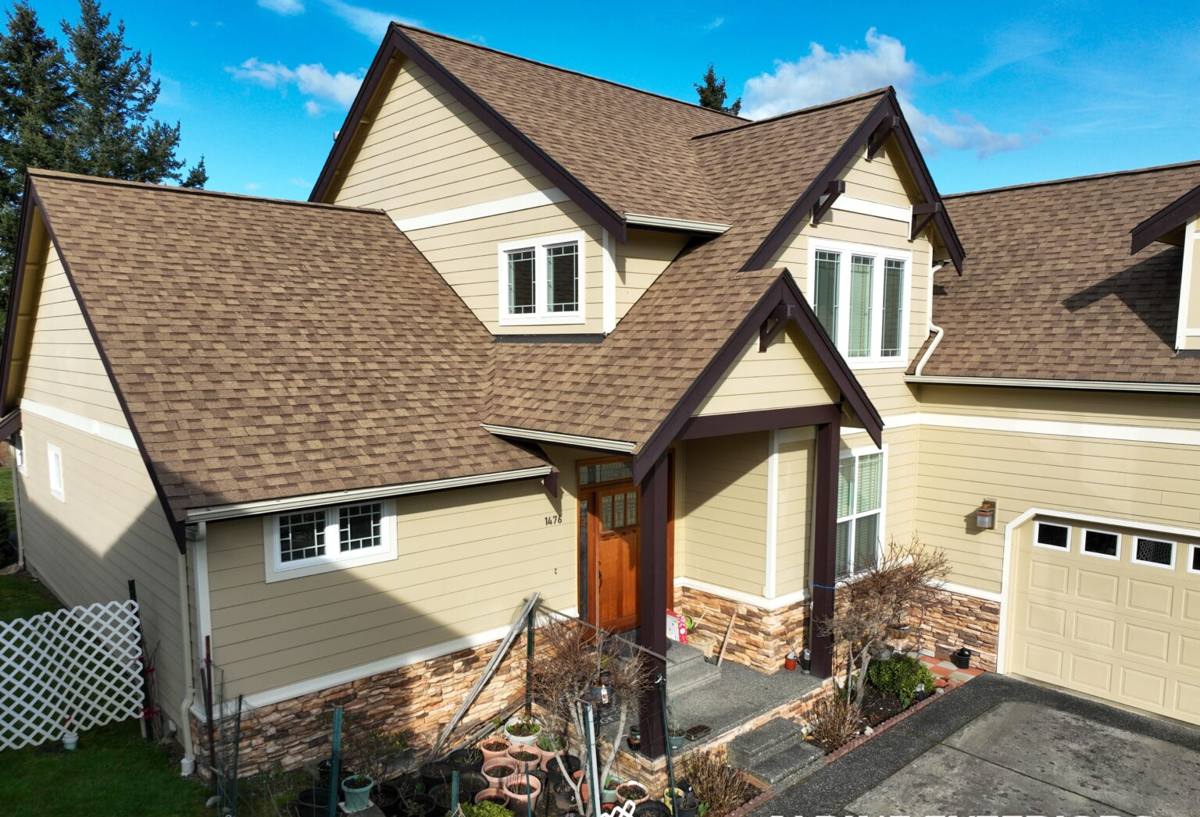
What Southgate Homes Actually Need From a New Roof
A correct roof replacement in this area isn't just about the shingles or tiles on top. It's a system, and every layer of that system has a job to do against sun, wind, and moisture:
- Wind resistance at the fastening level. How the roof covering is nailed or fastened, and to what pattern, matters as much as the material itself when it comes to surviving high wind events.
- A sealed, continuous underlayment. This is the roof's real waterproofing layer. If wind-driven rain gets past the surface material — which it eventually will, in any material — the underlayment is what keeps it out of the house.
- UV-stable materials and coatings. Year-round Florida sun degrades cheaper asphalt products and unprotected sealants faster than most homeowners expect.
- Corrosion-resistant metal components. Flashing, drip edge, fasteners, and any exposed metal need to be rated for coastal-adjacent salt exposure, not generic hardware-store stock.
- Proper attic ventilation. Heat and moisture trapped under the roof deck cook shingles from underneath and can rot decking over time — ventilation is a system component, not an afterthought.
Skip any one of these and the roof may look fine for a year or two while quietly failing underneath.
Signs a Southgate Home May Be Due for Replacement
Roof repair makes sense for isolated, recent damage. Replacement becomes the honest answer once the roof's overall condition — age, cumulative wear, or storm damage — has outpaced what patching can fix. Common indicators we look for:
- Shingles that are cupping, curling, or losing granules in patches (visible as bald or shiny spots)
- Multiple past repairs in different areas of the same roof
- Soft spots or sagging when walked, which often points to decking damage underneath
- Daylight visible through the attic decking, or staining on attic wood
- A roof approaching or past the manufacturer's expected service life for its material and local exposure
- Rising interior energy bills with no other explanation, which can indicate failing insulation or ventilation tied to roof condition
If a roof is showing two or more of these at once, a full replacement usually costs less over time than continuing to chase individual repairs.
Material Options: What Actually Fits This Climate
There's no single "best" roofing material for every Southgate home — it depends on the house's structure, the roofline, budget, and how long the homeowner plans to stay in the house. What matters is being honest about the trade-offs of each option rather than pushing whatever is easiest to install.
| Material | Typical Lifespan Here | Wind/Storm Behavior | Maintenance Considerations |
|---|---|---|---|
| Architectural asphalt shingle | 15–25 years, climate-dependent | Good when rated and fastened correctly for high-wind zones | Lowest upfront cost; sealant strip performance depends on installation quality and sun exposure |
| Concrete or clay tile | 30–50 years for the tile itself | Heavy and wind-resistant when properly fastened, but individual tiles can crack from impact | Underlayment typically needs replacement before the tile does; requires a structure rated for the added weight |
| Standing seam metal | 30–50 years | Excellent wind uplift resistance with correct panel and fastener spacing | Higher upfront cost; needs coastal-grade fasteners and coatings to resist salt corrosion |
| Flat/low-slope membrane (for additions, porches) | 15–25 years | Performance depends heavily on seam quality and drainage design | Ponding water is the main long-term risk if slope and drainage aren't planned correctly |
We'll walk through which of these makes sense for your specific roof structure and budget rather than defaulting to one product for every job.
What a Correct Roof Replacement Involves
A roof replacement done right is a sequence, and skipping steps to save a day of labor is where most future leaks and premature failures start.
- Full tear-off. Removing the old roofing down to the deck — not layering new material over old — so the deck and any hidden damage are actually visible.
- Deck inspection and repair. Any soft, rotted, or delaminated decking gets replaced before anything new goes down. This step is where a lot of corner-cutting happens industry-wide, because it's invisible once covered.
- Underlayment installation. A continuous, properly lapped underlayment system appropriate for the material and roof pitch.
- Flashing at every penetration and transition. Chimneys, vents, skylights, valleys, and wall intersections are where the majority of roof leaks actually originate — not the open field of the roof.
- Fastening to code-specified wind ratings. Manatee County follows Florida Building Code wind provisions, which specify fastener type, pattern, and spacing based on your home's wind zone.
- Ventilation check and correction. Confirming intake and exhaust airflow is balanced for the attic space before closing the job out.
- Final inspection and cleanup. Including magnetic sweep for stray nails and a walkthrough of the finished work.
Permits, Wind Mitigation, and Insurance
A full roof replacement in Bradenton requires a building permit, and the completed work has to pass inspection against the current Florida Building Code wind provisions for Manatee County. We handle the permitting and coordinate the required inspections as part of the job — that's not an optional add-on, it's how the work gets legally closed out.
There's also a practical upside: a new roof installed to current code, with documentation, typically qualifies for a fresh wind mitigation inspection. That paperwork can lower a homeowner's windstorm insurance premium, sometimes significantly, since insurers price risk based on roof age, covering type, and fastening method. We can point you toward getting that inspection done once the roof is complete, though the inspection itself and the premium outcome are between you and your insurer.
Our Process, Start to Finish
We keep the process straightforward because homeowners are usually living in the house through it:
- On-site assessment. We inspect the current roof, attic, and decking condition and talk through what we find in plain terms.
- Written estimate. Material options, scope of work, and cost laid out clearly — no vague allowances.
- Scheduling around weather. Florida roofing work has to respect the rain patterns and storm season; we plan the job window accordingly and communicate if weather pushes the timeline.
- Permitting. Filed and tracked by us before work begins.
- Tear-off and installation. Most residential roof replacements are completed in a matter of days, weather permitting, with the property kept as clean and protected as possible throughout.
- Final walkthrough and inspection sign-off. You see the finished work, and we make sure the county inspection is closed out properly.
Why Local, Southgate-Familiar Experience Matters
A roof replacement isn't a generic transaction — the right approach depends on things that are specific to this area: which wind zone your street falls into under the county's code, how mature tree canopy in older Southgate lots affects debris and drainage, and how a given roofline actually performs against wind-driven rain coming off open exposure nearby. A crew that regularly works this part of Bradenton has already seen how different roof types on similar homes hold up here over years, not just on installation day.
That familiarity also shows up in smaller, practical ways — knowing the county permitting office's current turnaround, understanding common decking conditions in homes of a certain age in this area, and being available for follow-up if a question comes up after a storm.
Before You Sign a Roofing Contract, Ask These Questions
- Is the contractor licensed to work in Florida, and can they provide proof of current liability insurance and workers' comp coverage?
- Does the estimate specify the exact material, underlayment, and fastening method — or just "shingle roof, price on request"?
- Who pulls and manages the county permit, and is that included in the price?
- What happens if deck damage is found once the old roof is torn off — is that priced as an allowance or a surprise change order?
- What's covered under workmanship warranty, separate from the manufacturer's material warranty, and for how long?
- Will the crew doing the physical work be direct employees or subcontracted, and who is accountable if something goes wrong?
A contractor who answers these plainly, without hedging, is usually one worth hiring.
If your Southgate home's roof is showing its age, took a hit from recent weather, or you simply want an honest read on where it stands, we're glad to come take a look. The estimate is free, there's no pressure attached to it, and you'll walk away with a clear, written picture of your options — use the form below to get started.