 Bradenton
 Roof Repair Built for Southgate's Climate
Southgate homes take a specific kind of punishment. Sitting inland from Tampa Bay in Manatee County, this area gets the full mix of Gulf Coast weather: months of intense, direct UV that bakes shingles and tile from above, sudden afternoon storms that drive rain sideways into fascia and flashing, and a steady dose of salt-laden air that speeds up corrosion on anything metal. Add hurricane season, when sustained wind and wind-driven rain probe every loose shingle tab and open seam, and you have a roof that ages faster here than it would almost anywhere inland.
Roof repair in this environment isn't just patching a leak and moving on. It's understanding which failures are cosmetic and which are structural, and knowing which fixes will actually hold up through the next storm season instead of failing again in a year. That's the standard we hold every Southgate repair to.
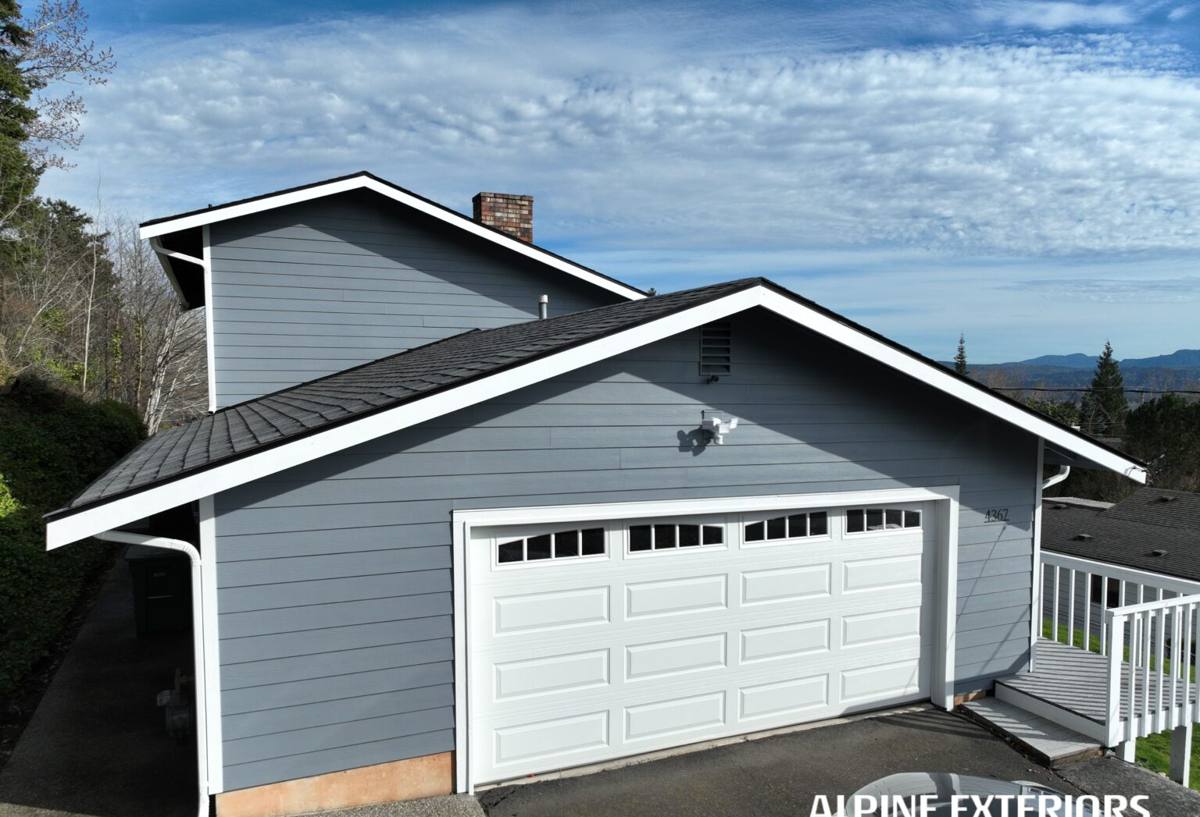
Signs a Southgate Roof Needs Repair Now
Small problems don't stay small on a Florida roof. Heat and moisture cycle constantly, so a minor gap that would sit dormant for years in a drier, cooler climate can turn into a real leak in a single wet season. Homeowners in Southgate should treat any of the following as a reason to get a roof looked at, not a reason to wait:
- Water stains on interior ceilings or upper walls, especially after a heavy rain event
- Missing, curled, or cracked shingle tabs, particularly on slopes facing prevailing wind
- Granules collecting in gutters or at downspout outlets
- Cracked or slipped tiles, or tiles that sound hollow or loose when walked near
- Rusted or lifted flashing around chimneys, skylights, and roof-to-wall transitions
- Soft spots in the decking felt underfoot, or sagging visible from the ground
- Daylight visible through the attic at roof penetrations or ridge lines
Any one of these can be a straightforward repair if it's caught early. Left alone through another summer of storms, most of them turn into decking replacement or a full re-roof.
Why Waiting Costs More Here Than Elsewhere
In a milder climate, a small roof leak might sit for a season without doing much damage. In Manatee County, humidity and heat mean trapped moisture under a roof deck starts breeding mold and softening plywood within weeks, not months. A repair that would have cost a few hundred dollars in year one can turn into a decking and insulation job by year two, simply because the problem had a warm, wet environment to work in.
Common Repair Issues by Roof Type
Southgate has a mix of roofing systems, and each one fails in its own way under Gulf Coast conditions.
Asphalt Shingle Roofs
Shingle roofs are the most common repair call. UV exposure dries out the asphalt over time, making tabs brittle and prone to cracking or lifting in wind. Nail pops, exposed fasteners, and worn ridge cap shingles are frequent culprits behind slow leaks that show up as ceiling stains well after the actual damage occurred.
Tile Roofs
Tile itself often outlasts everything underneath it. The underlayment beneath clay or concrete tile is usually the real point of failure, especially once it passes the age where Florida sun and heat cycling have broken down its flexibility. Cracked or slipped tiles are usually a symptom of foot traffic, storm debris, or age, not a defect in the tile.
Flat and Low-Slope Sections
Many Southgate homes have a flat or low-slope section over a lanai, porch, or addition. These are more vulnerable to ponding water and seam failure, and they need a different repair approach than a pitched shingle or tile roof — patching the wrong material or skipping proper drainage correction is a common source of repeat leaks.
What a Correct Roof Repair Actually Involves
A repair that holds up isn't just sealing the spot where water is currently getting in. Water travels along the underside of a roof deck before it shows up as a stain, so the visible leak point and the actual entry point are often several feet apart. A correct repair means:
- Tracing the leak to its actual source, not just the ceiling stain below it
- Checking the condition of the decking underneath — wet or soft wood has to be addressed, not covered over
- Matching materials appropriately, including underlayment, flashing metal, and fasteners rated for coastal exposure
- Re-sealing and re-integrating the repair with surrounding roofing so it sheds water the way the original system was designed to
- Checking nearby areas — one failure point often means neighboring flashing or shingles are close behind
Skipping any of these steps is how a homeowner ends up paying for the same repair twice.
Our Process, Start to Finish
We keep the repair process simple and honest, because most homeowners just want the leak fixed correctly and want to know what they're paying for.
1. Inspection and Diagnosis
We get on the roof and in the attic when accessible, tracing water paths rather than guessing from the interior stain alone. We check the roof type, age, and material condition around the problem area, not just at the exact leak point.
2. Clear Explanation and Estimate
Before any work starts, we explain what's actually wrong, what caused it, and what it will take to fix correctly — including if we find the damage is more extensive than a simple repair can address. No pressure to upsell into a full replacement if a repair will genuinely hold.
3. The Repair Itself
We use materials suited to Manatee County's climate — corrosion-resistant fasteners and flashing, underlayment rated for high heat, and shingle or tile matching that keeps the repaired section performing like the rest of the roof, not like a patch.
4. Verification
We check our own work before we call the job done, confirming the repaired area integrates properly with surrounding roofing and drains the way it should.
Repair or Replace? How We Help You Decide
Not every roof problem calls for a full replacement, and not every roof is a good candidate for another round of patching. We look at the whole picture before recommending either path.
| Factor | Leans Toward Repair | Leans Toward Replacement |
|---|---|---|
| Roof age | Well within expected service life for the material | At or past the end of typical lifespan for its material and climate exposure |
| Extent of damage | Isolated to one area or penetration | Spread across multiple sections or slopes |
| Decking condition | Solid, dry decking around the damaged area | Widespread soft spots or rot found during inspection |
| Repair history | First or second repair in this location | Same area has needed repeated fixes |
| Underlayment condition | Still flexible and intact elsewhere on the roof | Brittle or failing broadly, not just at the leak site |
When a repair is the honest recommendation, that's what we tell you. When the roof is genuinely past the point where patching makes financial sense, we'll explain exactly why, in plain terms.
What Affects the Cost of a Repair
Roof repair costs vary widely depending on the roof and the problem, but the main cost drivers in Southgate tend to be the same handful of factors every time.
| Cost Factor | Why It Matters |
|---|---|
| Roof material | Tile repair generally costs more per repair than shingle due to handling and matching existing tile |
| Roof pitch and access | Steeper or harder-to-access roofs take more time and safety setup |
| Decking condition | Rotted or soft decking adds material and labor beyond the surface repair |
| Number of penetrations involved | Chimneys, skylights, and vents each add flashing work |
| Size of the affected area | A single flashing fix costs far less than repairing storm damage across a slope |
A straightforward flashing or small shingle repair is typically a modest expense; extensive tile work or decking replacement runs considerably higher. We give a firm number after inspection, not a phone estimate, because guessing on a Florida roof usually guesses wrong.
Between Repairs: A Homeowner Maintenance Checklist
A little attention between service visits goes a long way toward avoiding emergency repairs in Southgate's climate.
- Walk the property after major storms and look for shingles, tiles, or debris on the ground
- Keep gutters clear so water doesn't back up under roof edges
- Trim back tree limbs that overhang the roof or rub against it in wind
- Check the attic occasionally for damp insulation, musty odor, or daylight at penetrations
- Have flashing around chimneys and skylights checked every year or two, since it fails before the surrounding roofing does
- Don't ignore small stains — get them checked before the next rainy season, not after
Why a Crew That Already Works Southgate Matters
A roofer who works this area regularly already knows what Southgate homes are dealing with: the typical roof ages and materials in the neighborhood, how salt air and coastal humidity have already affected roofs nearby, and what kind of storm exposure this stretch of Manatee County actually sees. That familiarity means less guesswork during inspection and a repair plan built around how this climate actually behaves, not a generic checklist.
It also means accountability. A crew that plans to keep working in Southgate has every reason to do the repair right the first time, because a callback is a bad conversation with a neighbor, not just an unhappy customer three towns away.
If you've got a leak, storm damage, or a roof that's just showing its age, we're glad to take a look. Estimates are free and there's no pressure — fill out the form below and we'll get back to you with a straight answer about what your roof actually needs.