 Bradenton
 Roofing in Southgate: A Different Set of Demands
Southgate is a well-established residential pocket of Bradenton, and like most Manatee County neighborhoods, its homes span several decades of Florida construction — older ranch-style roofs alongside newer replacements. Whatever the age of the structure underneath, the roof over it is fighting the same battle every year: tropical humidity, intense UV exposure nearly twelve months a year, wind-driven summer storms, and the slow corrosive effect of salt-laden air blowing in off Tampa Bay and the Gulf. None of these forces are dramatic on any single day. What they do is accumulate — quietly breaking down materials that were never built for this environment, or that have simply outlived their service life.
A new roof installation in this part of Bradenton isn't just about swapping old shingles for new ones. It's about building an assembly — deck, underlayment, flashing, ventilation, and covering — that's matched to what this specific climate does to a house over time.
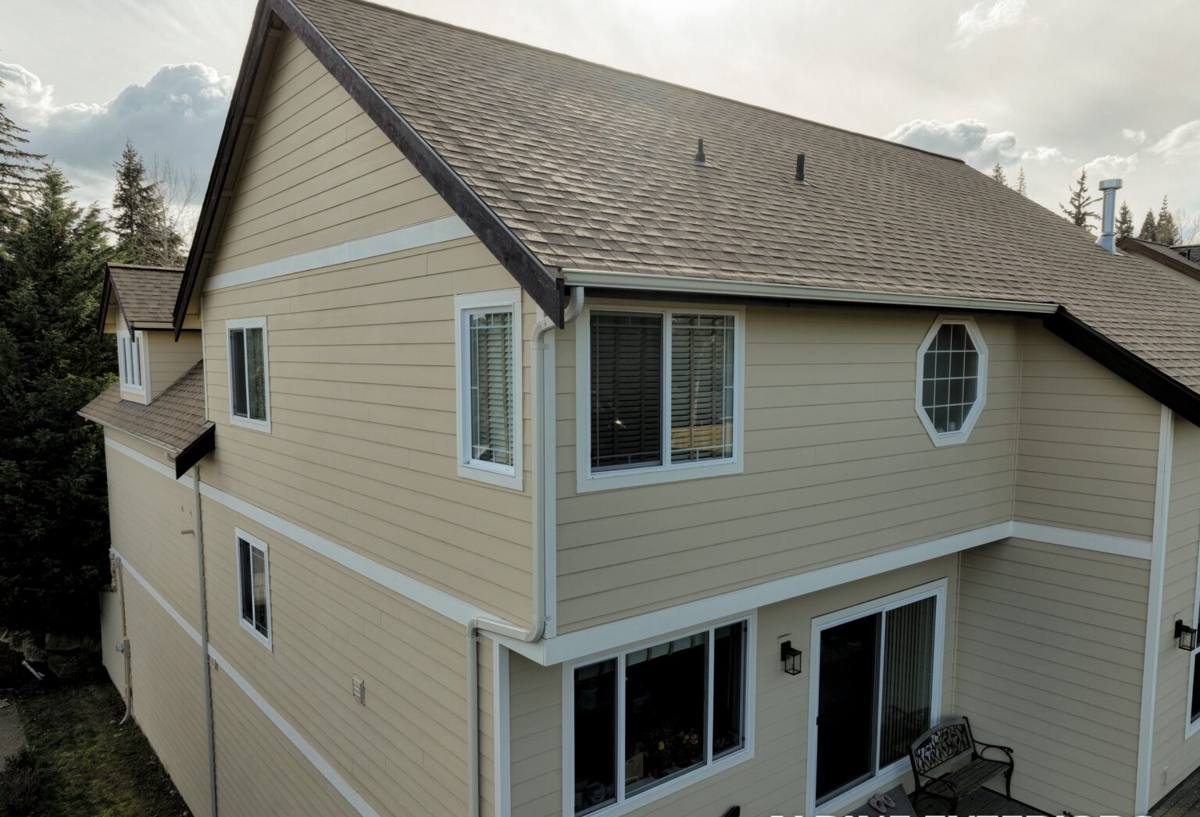
What Southgate's Climate Actually Does to a Roof
Wind
Manatee County sits in a hurricane-exposed region, and even non-hurricane thunderstorms here regularly produce gusts strong enough to lift poorly fastened shingles or loose flashing. Wind doesn't just tear roofs off in named storms — it works on marginal installations year after year until a weak spot fails.
UV and Heat
Florida sun is relentless. Asphalt shingles lose oils and become brittle faster here than in most of the country, and dark roof surfaces can reach very high temperatures on summer afternoons, which accelerates aging of the shingle mat, the sealant strips, and the underlayment beneath.
Wind-Driven Rain
It's rarely straight-down rain that causes leaks in this region — it's rain pushed sideways under laps, around penetrations, and into fastener holes during a squall. Correct flashing and underlayment detailing matters more here than in drier, calmer climates.
Salt Air
Southgate isn't beachfront, but Bradenton's proximity to the bay means airborne salt still reaches inland neighborhoods, especially with onshore winds. Salt accelerates corrosion on exposed metal — nails, flashing, vent stacks, and drip edge — which is why fastener and flashing material selection matters as much as the shingle itself.
What a Correct New Roof Installation Includes
A roof replacement done right in this climate is a system, not a single product. Cutting corners on any one layer shortens the life of the whole assembly, no matter how good the shingle brand is.
- Full tear-off: removing the old roofing down to the deck, rather than layering over it, so the deck and flashing can actually be inspected.
- Deck inspection and repair: replacing any rotted, delaminated, or soft plywood/OSB sections before anything new goes down.
- Synthetic or self-adhering underlayment: a moisture barrier that performs when wind drives water sideways under the shingle field.
- Sealed valleys and penetrations: pipe boots, skylight curbs, and roof-wall intersections detailed to shed water under pressure, not just gravity.
- New drip edge and flashing: corrosion-resistant metal at eaves, rakes, and any wall or chimney transitions.
- Proper fastening pattern: nail count and placement matched to the wind exposure category for the property, not just a generic pattern.
- Balanced attic ventilation: intake and exhaust sized so heat and moisture don't get trapped under the deck.
Roofing Systems We Install: How They Compare Locally
There isn't one "correct" roofing material for every Southgate home — the right choice depends on the roof's slope, the home's structure, the budget, and how long the owner plans to stay in the house. Here's how the common options compare for this climate specifically.
| System | Wind performance | Typical lifespan | Climate trade-offs |
|---|---|---|---|
| Architectural asphalt shingle | Good when rated and installed to spec | Roughly 20-30 years in Florida conditions | Most economical upfront; UV and heat shorten life versus cooler climates |
| Standing seam metal | Excellent — among the strongest options for high wind | Often 40-50+ years | Higher upfront cost; reflects heat well; needs corrosion-resistant fasteners near the coast |
| Concrete/clay tile | Very good when properly fastened and underlayment is sound | Tile itself can last decades; underlayment usually needs replacement sooner | Heavier — structure must support it; underlayment failure is the common weak point, not the tile |
| Flat/low-slope membrane (TPO, modified bitumen) | Good with correct attachment method | Roughly 15-25 years depending on system | Common on additions, lanais, or porch roofs; seam quality is critical in wind-driven rain |
For most single-family homes in Southgate, architectural asphalt shingle remains the most common choice because it balances cost, appearance, and proven wind performance when installed correctly. Metal and tile come up more often on homes where the owner is planning to stay long-term and wants to reduce how often the roof needs attention.
Our Process for a Southgate Roof Replacement
1. On-Site Assessment
We inspect the existing roof, deck condition, attic ventilation, and any problem areas — valleys, chimneys, skylights — before recommending a system or scope of work.
2. Written Scope and Materials
You get a clear, itemized plan: what's being torn off, what underlayment and flashing are being used, the fastening approach, and the manufacturer and product line for the covering material.
3. Permitting
New roof installations in Manatee County require a permit and inspection. We handle the permit application and coordinate the required inspections so the work is documented and code-compliant — this matters later for insurance and resale.
4. Tear-Off and Deck Repair
Old roofing comes off completely, the deck is inspected board by board, and any compromised sections are replaced before we move forward.
5. Underlayment, Flashing, and Covering
Each layer goes down in the sequence that actually sheds wind-driven rain, with attention to valleys, penetrations, and wall transitions — the areas where most leaks originate.
6. Final Inspection and Walkthrough
We walk the finished roof with you, confirm the county inspection has passed, and go over warranty documentation and basic maintenance.
Permits, Wind Mitigation, and Insurance
A permitted, inspected roof replacement in Manatee County isn't just a legal requirement — it's paperwork that pays off later. Insurance carriers in Florida frequently request a wind mitigation inspection and roof age/permit documentation to set or adjust premiums. A new roof installed to current code, with proper permitting, can improve your wind mitigation standing and give you a clean paper trail if you ever need to file a claim or sell the home. Skipping permits to save time is a false economy — it can complicate both insurance and resale down the road.
Ventilation: The Part Homeowners Often Overlook
A new roof covering installed over a poorly ventilated attic will underperform no matter how good the shingle is. In Florida's heat, an attic without balanced intake and exhaust airflow traps heat and humidity, which can shorten shingle life from the underside, stress the deck, and drive up cooling costs. Part of doing a replacement correctly is checking soffit intake vents aren't blocked, ridge or box vents are sized appropriately for the attic volume, and there's a clear path for air to move rather than stagnate.
Signs a Southgate Roof May Need Replacing Rather Than Repairing
- Shingles that are cupping, curling, or losing significant granules across large areas rather than one isolated spot.
- Multiple past repairs in different locations — a pattern that usually means the underlayment and materials are simply aging out.
- Visible daylight, staining, or soft spots in the attic decking.
- A roof approaching or past 20-25 years old (for asphalt) with no major upgrades since installation.
- Granules consistently collecting in gutters or at downspout outlets.
- Missing or lifted shingles after storms, especially in more than one area of the roof.
- An insurance company flagging the roof's age or condition during a policy renewal or wind mitigation inspection.
Why a Crew That Already Works Southgate Matters
Roofing crews who regularly work this part of Bradenton already understand Manatee County's permitting process, the inspection sequence, and the wind exposure realities of this specific area — they're not learning local code requirements on your project. That familiarity translates into fewer permit delays, fewer surprises during inspection, and installation decisions — fastening patterns, flashing choices, underlayment grade — that are already calibrated to what actually holds up here rather than what's standard in a milder climate. It also means a crew that's accountable locally: if a warranty issue comes up years down the road, you're not chasing down a company that only passed through once.
After the Install: Keeping a New Roof Performing
A properly installed roof still benefits from basic upkeep in this climate. Keep gutters and downspouts clear so water isn't backing up at the eaves. Trim overhanging branches that drop debris into valleys or scrape the surface in wind. After major storms, a quick visual check — or a call to us for a look — catches small issues like a lifted shingle or damaged vent boot before they turn into a leak. Most manufacturers also require documented periodic inspection to keep long-term warranties valid, so keeping records of any roof work matters.
If your Southgate home's roof is aging, showing wear, or you just want an honest read on its condition, we're happy to take a look and walk you through your options. Use the form below to request a free, no-pressure estimate.