 Bradenton
 Siding Replacement Built for Village of the Arts
Village of the Arts sits close to downtown Bradenton, and it's one of the more distinctive residential pockets in Manatee County — a walkable grid of older homes, many converted over the years into working studios and galleries, with colorful facades and a real sense of neighborhood character. That character is worth protecting, but it also comes with a practical reality: a lot of the housing stock here is older, and the siding on many of these homes has been carrying the same coat of paint and the same board joints for decades longer than it should.
When it's time to replace that siding, the job isn't just about swapping old material for new. It's about choosing a product and an installation method that can stand up to what this part of Florida throws at a house year after year, while still fitting the look of a neighborhood where curb appeal and individual style actually matter.
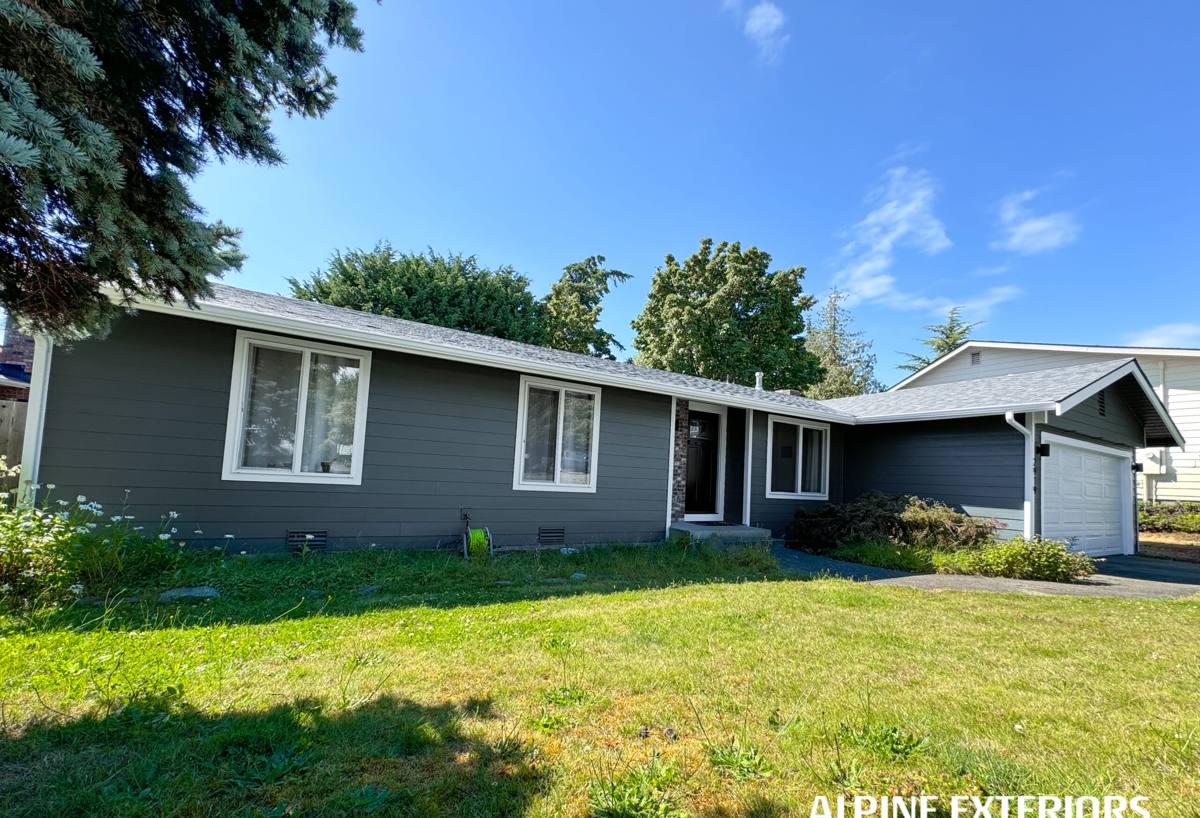
What Bradenton's Climate Does to Siding Over Time
Manatee County sits close enough to the Gulf that every exterior surface on a home is doing constant, quiet work just to hold up. Siding replacement decisions here need to account for a few specific stressors, not generic "Florida weather."
Hurricane-Force Wind and Wind-Driven Rain
Wind doesn't just push on siding — it drives rain sideways and forces water up under laps, into seams, and behind trim that wasn't flashed correctly the first time. Older siding installations, especially on homes that have been re-sided or patched more than once, often have gaps in the water management that only show up during a real storm. A siding replacement is the one chance to fix that at the source, not just cosmetically.
Intense, Year-Round UV
Bradenton doesn't get a real off-season for sun exposure. UV breaks down paint film, dries out wood fiber, and causes some siding materials to warp, crack, or fade unevenly depending on which side of the house gets the most afternoon sun. On a lot of Village of the Arts homes, you can see this in real time — one wall holding its color and one wall chalking or peeling years ahead of the rest.
Salt Air and Humidity
Even a few miles inland from the water, salt-laden air accelerates corrosion on fasteners and trim, and it works together with humidity to keep moisture in siding materials longer than they're designed to hold it. That combination is hard on anything that isn't built to resist rot and moisture cycling.
Signs Your Home Needs Siding Replacement, Not Just Repair
Not every siding problem means a full tear-off. But in a neighborhood with this much older housing stock, we see the same warning signs repeatedly — and once they show up in more than one or two spots, patching stops making sense.
- Soft or spongy spots when you press on the siding, especially near the bottom courses or below windows
- Visible warping, buckling, or separation at the seams between boards
- Paint that won't hold anymore — repeated peeling or chalking within a year or two of repainting
- Cracked or crumbling siding at corners, near trim, or around penetrations like hose bibs and vents
- Visible gaps or daylight where siding meets window and door trim
- Musty smell or soft drywall on interior walls that back up to exterior siding
- Siding that's been patched with mismatched material or caulk more than once already
Why We Install Only James Hardie Fiber Cement
We standardized on James Hardie fiber cement siding for every home we side, including in Village of the Arts, and we don't install vinyl, LP SmartSide, Cemplank, Allura, or unfinished wood siding. That's not a marketing position — it's a decision based on what actually holds up under hurricane-force wind, sustained UV, and salt air without turning into an ongoing maintenance project for the homeowner.
Fiber cement is non-combustible, doesn't warp or rot the way wood-based products can, and holds its shape and fastening under wind loads better than vinyl, which can flex, crack, or blow off in gusts if it wasn't installed with the right clearances to begin with. Hardie's ColorPlus factory finish is baked on and warranted against fading and peeling, which matters directly in a neighborhood where a lot of homes rely on bold, individual color choices to define their look — a finish that holds up means the house keeps its character instead of needing repainting every few years.
Hardie also builds region-specific HZ product lines engineered for high-humidity, high-moisture climates like ours, which is a meaningfully different product than a generic fiber cement board sold nationally without climate variants.
Fiber Cement vs. Other Common Siding Options
| Factor | James Hardie Fiber Cement | Vinyl | Wood / Engineered Wood |
|---|---|---|---|
| Wind resistance (properly installed) | Rated for high-wind installation per manufacturer spec | Can flex, crack, or detach in sustained high winds | Varies; fasteners and joints are common failure points |
| Moisture / rot resistance | Engineered to resist moisture-related damage | Doesn't rot but traps moisture behind it if installed wrong | Susceptible to rot and swelling without diligent maintenance |
| UV / color stability | Factory ColorPlus finish, warranted against fading | Can fade and become brittle with prolonged UV exposure | Paint requires frequent recoating in this climate |
| Fire resistance | Non-combustible | Combustible | Combustible |
| Long-term maintenance | Low, mainly caulk and paint touch-up over the long term | Low, but repairs and color match get harder as it ages | Regular repainting and moisture inspection needed |
Matching Siding to a Neighborhood That Cares About Character
One thing that sets Village of the Arts apart from a typical subdivision is that the homes aren't trying to look identical — plenty of them use color, trim detail, and siding profile as part of the property's identity, whether it's a working studio or just a home the owner has put real personality into. A siding replacement here should respect that instead of flattening it.
James Hardie's product lines give us the range to do that correctly: traditional lap siding profiles that match the look of older Florida frame homes, board-and-batten style HardiePanel where a home calls for a more vertical, cottage or bungalow look, and a wide ColorPlus palette so a distinctive color choice doesn't mean sacrificing durability. The goal on every Village of the Arts project is the same — new siding that reads as though it belongs on that specific house, not a generic upgrade that erases what made the home stand out.
What a Correct Siding Replacement Job Actually Involves
The material is only part of the equation. Most siding failures we get called out to inspect trace back to installation shortcuts, not the product itself. A correct job includes:
- Full removal of old siding and inspection of the sheathing underneath for hidden rot or water damage before anything new goes up
- A properly lapped water-resistive barrier, installed so water is directed out and down, not trapped behind the new siding
- Correct flashing at every window, door, and penetration — this is where wind-driven rain finds its way in if it's skipped or rushed
- Fastening per James Hardie's published installation spec, including proper nail placement and spacing for our wind exposure
- Correct starter strips, gapping, and caulking at joints so the assembly can handle expansion and contraction without failing early
- Manufacturer-compliant clearances at grade, decks, and roof lines so moisture doesn't wick into the bottom courses
Skipping any one of these doesn't necessarily show up as a problem on day one — it shows up two or three years later as a soft spot, a stain, or a section that's failing while the rest of the house looks fine. That gap between installation and failure is exactly why installation quality matters as much as the product choice.
Our Process, Start to Finish
- On-site evaluation: We walk the exterior with you, check the condition of the existing siding and sheathing where accessible, and talk through what we're seeing.
- Written estimate: A clear scope and price, including what's involved in removal, any sheathing repair we anticipate, and the Hardie products and colors that fit the home.
- Scheduling and prep: We coordinate timing, protect landscaping and adjacent surfaces, and confirm color and profile selections before material orders go in.
- Tear-off and inspection: Old siding comes off and we inspect the sheathing directly, flagging anything that needs repair before we move forward.
- Installation to spec: Water-resistive barrier, flashing, and James Hardie siding installed per manufacturer requirements for our wind and moisture exposure.
- Final walkthrough: We go over the finished work with you, check trim and caulking details, and make sure the result matches what was scoped.
Cost Factors for Siding Replacement Projects
Every home is different, and we're not going to quote a number without seeing the house, but these are the main factors that move the price up or down on a typical Village of the Arts project:
| Factor | Why It Matters |
|---|---|
| Home size and wall area | More square footage of siding means more material and labor |
| Condition of existing sheathing | Hidden rot found during tear-off adds repair work before new siding goes on |
| Siding profile and detail | Board-and-batten, trim work, and architectural detail take more time than plain lap siding |
| Number of stories and access | Multi-story sections and tight lot access affect staging and labor time |
| Color and finish selection | Standard ColorPlus colors versus custom or premium finishes can shift pricing |
| Trim, soffit, and fascia scope | Bundling those repairs into the siding project is often more efficient than doing them separately |
Why Hiring a Crew That Already Works in Village of the Arts Matters
Older neighborhoods like this one have their own quirks — narrow lots, mature landscaping close to the house, homes that have been added onto or modified over the years in ways that aren't always obvious from the street. A crew that's already familiar with Bradenton and Manatee County permitting, and with the kind of older frame construction common in this neighborhood, moves faster and makes fewer surprise discoveries mid-project than a crew seeing this housing stock for the first time.
It also means less disruption to a neighborhood where homes are close together and a lot of residents are working out of their properties. Knowing how to stage a job, protect a neighbor's yard, and keep a tight worksite isn't incidental here — it's part of doing the job right in a place like Village of the Arts.
If your siding is showing its age or you're just planning ahead, we're happy to take a look and walk you through what we see, no pressure and no obligation. Fill out the form below to schedule a free estimate for your Village of the Arts home.