 Bradenton
 Storm Damage Roof Repair for Samoset Homes
Samoset sits inland enough from the coast to avoid direct storm surge, but that doesn't mean the neighborhood gets off easy when a system rolls through Manatee County. Between tropical systems that track up the Gulf, the sudden afternoon thunderstorms that build almost every summer day, and the straight-line wind gusts that come with either, Samoset roofs take a steady beating. Add in the intense year-round Florida UV that bakes shingles and underlayment between storms, and you have a roofing environment that's genuinely tougher than what most of the country deals with.
This page is specifically about storm damage roof repair for homes in and around Samoset — what actually causes the damage, what a correct repair looks like, and how our process works when you call us after a bad weather event. It's not a generic "roofing services" page. If your roof took a hit from wind, hail, or wind-driven rain, this is what you need to know before you decide what to do next.
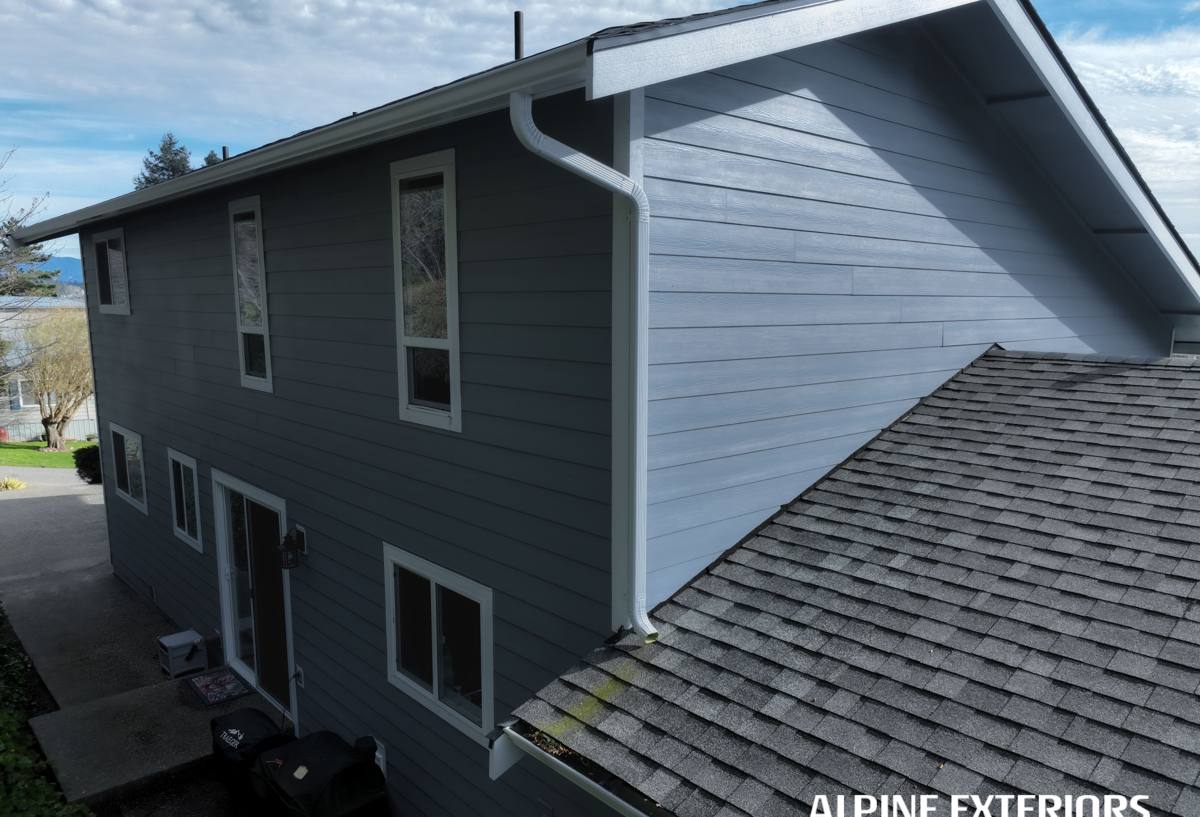
What Storm Damage Actually Looks Like Here
Storm damage in this part of Florida rarely shows up as one dramatic problem. More often it's a combination of smaller issues that add up to a leak, or that shorten the life of the roof even if nothing is leaking yet. In Samoset specifically, we typically see damage patterns tied to a few recurring causes.
Wind Damage
Sustained tropical-storm or hurricane-force winds lift shingle edges, break the seal strips that hold shingles flat, and can peel back entire sections starting at a ridge, hip, or rake edge where wind uplift is strongest. Older three-tab shingles are especially vulnerable because they have less surface area holding them down. Once a few shingles lift or go missing, the exposed area becomes a direct path for water.
Wind-Driven Rain
Straight-down rain and wind-driven rain behave very differently on a roof. Wind-driven rain gets pushed sideways and even slightly upward under shingle edges, flashing, and vents — places that are never designed to handle water moving against gravity. A roof can look intact from the ground after a storm and still be taking on water at a flashing seam, a pipe boot, or a valley.
Hail and Debris Impact
Hail is less frequent here than in the Midwest, but it does happen with strong summer storms, and it bruises or fractures the granule surface of shingles without always creating a visible hole. That bruising isn't cosmetic — it's a soft spot where the shingle's waterproofing layer is compromised, and it tends to fail months later, not immediately. Wind-blown debris (branches, palm fronds, loose gutters from neighboring properties) causes similar localized punctures.
UV and Heat Fatigue Combined With Storms
Manatee County sun is intense nearly all year. UV exposure dries out asphalt shingles and breaks down sealants over time, so a roof that's already 12-15 years old is far more brittle when a storm hits than a newer one. We often find that "storm damage" is really storm damage on top of pre-existing UV fatigue — the storm is what exposes a weakness that was already there.
Why This Matters for Samoset Specifically
Samoset's mix of housing stock — older single-story homes alongside newer construction — means roof age and material varies a lot block to block. An older asphalt shingle roof installed before more recent Florida Building Code wind-resistance updates behaves very differently in a storm than a roof installed in the last decade. We take that into account when we inspect: a repair approach that's correct for a newer roof isn't necessarily correct for an older one, and we're not going to sell you more than the roof actually needs.
What a Correct Storm Damage Repair Involves
A rushed storm repair is one of the most common ways homeowners end up with a second, bigger problem a year later. Doing it right means more than replacing what's visibly missing.
1. Full Roof Inspection, Not Just the Damaged Spot
We inspect the whole roof, not just the area you can see is damaged from the ground. Wind and wind-driven rain rarely limit themselves to one spot — if one section lost shingles, nearby sections likely have lifted seals or minor granule loss even if they didn't fully fail. We also check flashing around chimneys, skylights, and roof-to-wall transitions, since those are common wind-driven rain entry points that get missed in a quick patch job.
2. Checking the Decking, Not Just the Shingles
If water got underneath the roofing material for any length of time, the wood decking underneath can be soft, delaminated, or rotted. Replacing shingles over damaged decking just hides the problem and guarantees a future leak. Any area with sustained water intrusion gets the decking checked before new material goes down.
3. Matching Materials Correctly
Repairing a section of roof means matching shingle profile, color, and where possible, age-appropriate granule wear so the repair doesn't stand out as an obvious patch. It also means using compatible underlayment and flashing details, not just whatever's on the truck.
4. Proper Flashing and Sealant Work
Most storm-related leaks that come back after a "repair" trace to flashing that wasn't reset correctly, or sealant used as a shortcut instead of proper metal work. We rebuild flashing details rather than just caulking over a gap — caulk is a short-term fix, not a repair.
Our Process, Start to Finish
When you call us after a storm, here's what to expect:
- Initial contact and scheduling — we get basic details over the phone (age of roof, visible damage, whether there's active leaking) so we can prioritize genuine emergencies.
- On-site inspection — we walk the full roof, check the attic if accessible for water staining or wet insulation, and document everything with photos.
- Written scope and estimate — you get a clear explanation of what's damaged, what needs to be repaired versus what's cosmetic, and an honest cost range before any work starts.
- Temporary protection if needed — if there's active leaking, we can install temporary dry-in protection so you're not taking on more water while repairs are scheduled.
- Repair work — decking replacement where needed, matched shingle or roofing material installation, flashing rebuilt, and a final water test on repaired sections where practical.
- Final walkthrough — we go over what was done, answer questions, and let you know what to watch for going forward.
Working With Insurance on a Storm Claim
Many storm damage repairs in Samoset involve a homeowner's insurance claim, and how the repair is documented matters for that process. We're not a public adjuster and don't represent your insurance company or negotiate your claim for you, but our inspection documentation — photos, measurements, and a clear description of the damage and its likely cause — is the kind of record an adjuster needs to see. A few practical points worth knowing:
- Document damage as soon as it's safe to do so, before any tarping or temporary repairs, if possible.
- Keep receipts for any emergency temporary protection — many policies cover reasonable steps taken to prevent further damage.
- Get an independent contractor inspection in addition to the adjuster's visit — a roof looks different from the ground than it does up close.
- Understand the difference between a repair estimate and a replacement estimate, since insurers evaluate them differently depending on your policy's age and wear exclusions.
Repair vs. Replacement: What Actually Drives the Decision
Not every storm-damaged roof needs full replacement, and not every roof can be responsibly patched. The right call depends on a few factors we walk through with you honestly rather than defaulting to the bigger job.
| Factor | Leans Toward Repair | Leans Toward Replacement |
|---|---|---|
| Roof age | Under 10-12 years | Approaching or past typical shingle lifespan |
| Extent of damage | Isolated section or slope | Widespread across multiple slopes |
| Decking condition | Solid, dry, no rot found | Soft or delaminated in several areas |
| Shingle availability | Matching product still available | Discontinued profile or faded color mismatch |
| Prior repair history | First storm issue on this roof | Repeated patch jobs already on record |
| Insurance outcome | Claim covers repair scope only | Adjuster approves full replacement |
We'll tell you plainly if a repair is the responsible option, even when a replacement would be a bigger job for us. A roof that's structurally sound and just needs a section addressed doesn't need to be torn off.
Why It Matters That We Already Work in Samoset
Storm damage repair isn't a one-size-fits-all trade, and a crew that works this specific area regularly has an advantage over one that doesn't. We know what roof ages and construction styles are common in Samoset, which means we're not guessing at what's under the surface before we get up there. We also know which failure points show up again and again after wind and rain events in this part of Manatee County — flashing at low-slope transitions, older pipe boots, and ridge cap seals in particular — so inspections move faster and repairs address the actual weak points instead of just the obvious ones.
Being local also means we're available to follow up. Storm repairs sometimes need a check-in after the next hard rain to confirm everything is holding, and that's a lot easier with a crew that's a short drive away rather than one that came through from out of the area after the storm and moved on.
After the Repair: What Homeowners Should Keep an Eye On
A good storm repair should hold up, but a few habits help you catch small issues before they become big ones, especially given how hard this climate is on roofing.
- Check the attic for staining or musty odor after any heavy rain in the months following a repair.
- Look at exposed flashing and vent boots from the ground with binoculars after storms — cracked sealant is a common early warning sign.
- Keep gutters clear so water isn't backing up under the roof edge during heavy rain.
- Trim back tree limbs that could drop debris on the roof during high wind.
- Schedule a roof check after any named storm that produces sustained winds, even if nothing looks obviously wrong from the ground.
- Keep a simple record of repairs and inspection dates — it helps with future insurance claims and resale disclosures.
Get an Honest Look Before You Decide Anything
If your Samoset home took storm damage, the smartest first step is a straightforward inspection — not a sales pitch for a full roof replacement you may not need. We'll look at what's actually damaged, explain it in plain terms, and give you a written scope so you know exactly what you're deciding on. If you'd like a free, no-pressure estimate, the form below on this page will get you started.