 Bradenton
 Why Samoset Roofs Take a Different Kind of Beating
Samoset sits inland from Tampa Bay in Manatee County, but "inland" doesn't mean sheltered. Roofs in this part of Bradenton deal with the same combination of stresses every year: hurricane-force wind gusts during storm season, near-constant UV exposure for most of the calendar, wind-driven rain that gets pushed sideways under any edge that isn't properly sealed, and salt-laden air drifting in off Tampa Bay and the Gulf that slowly corrodes anything not built to resist it. Asphalt shingles wear out fast under that mix — granules bake off in the sun, seams lift in gusty wind, and water finds a way in wherever a shingle has curled or cracked. A correctly installed metal roof is built for exactly this kind of environment. It sheds wind-driven rain instead of absorbing it, reflects UV instead of slowly breaking down under it, and — with the right fasteners and finishes — holds up to salt air that eats through lower-grade hardware over time.
This page covers one thing specifically: metal roofing done right for homes in Samoset, not a generic rundown of every roofing product on the market.
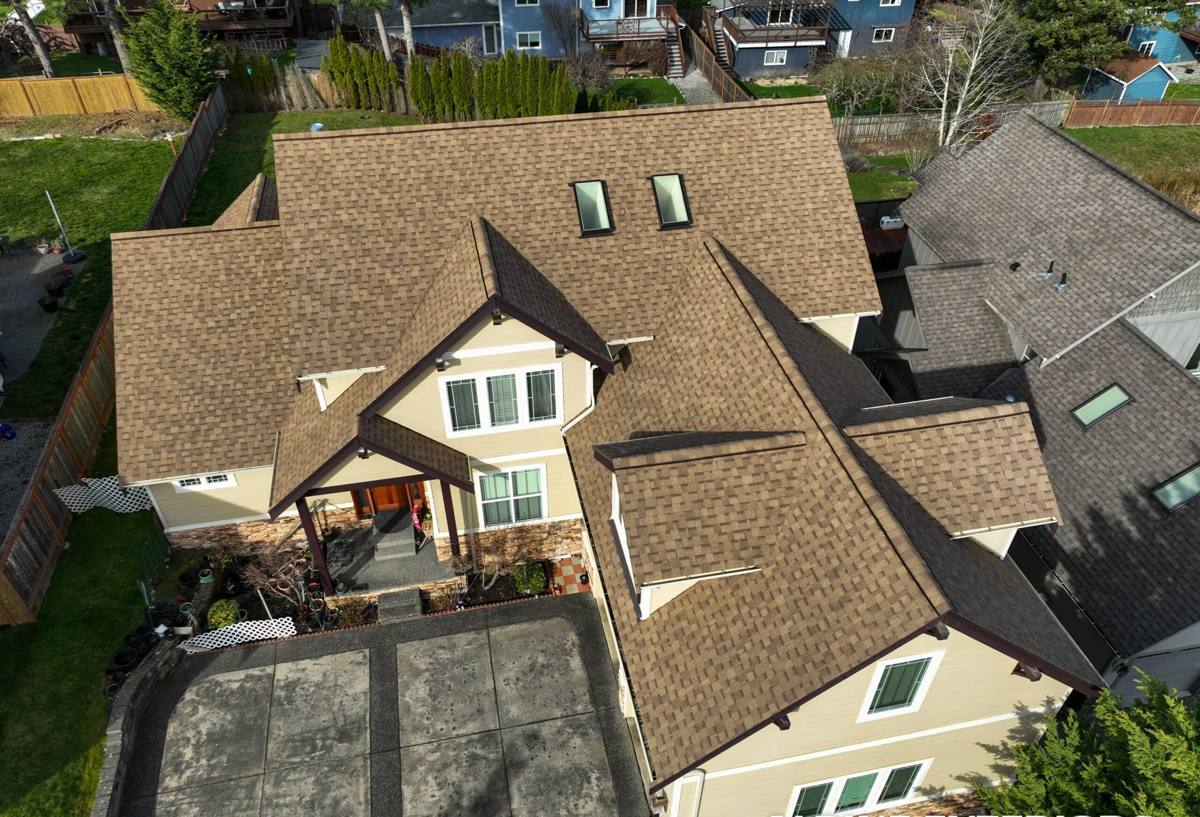
What a Correct Metal Roof Installation Actually Involves
The panels get all the attention, but most of what decides whether a metal roof survives its first real storm season happens underneath them, before a single panel goes down.
Deck Inspection and Prep
Before anything goes on the roof, the existing deck needs to be checked for soft spots, old water damage, and rot — especially around valleys, chimneys, and skylights where leaks tend to start. Any compromised decking gets replaced. Skipping this step and installing over a weak deck is one of the most common ways a new roof fails early, and it's not something you can see once the panels are on.
Underlayment and Secondary Water Barrier
Metal panels are the first line of defense, not the only one. A quality synthetic or self-adhered underlayment goes down as a secondary barrier, so if wind-driven rain ever gets forced past a seam or fastener, there's still a layer keeping water out of the structure. This matters more in Bradenton than in drier climates, because wind-driven rain here doesn't fall straight down — it comes in at an angle during tropical storms and can work its way under panels that lack proper underlayment.
Fastening for Wind Uplift
Metal roofs fail in high wind for one of two reasons: not enough fasteners, or fasteners driven into the wrong spot in the panel's rib pattern. Correct fastener spacing and placement is what keeps a roof attached during a wind event instead of peeling back at the edges, which is where most wind damage starts.
Flashing and Penetrations
Every place something interrupts the roof plane — a chimney, a vent pipe, a wall intersection — is a potential leak point. Flashing at these transitions has to be formed and layered correctly, not just caulked over. Caulk breaks down under UV exposure; properly lapped flashing doesn't rely on sealant to do the whole job.
Choosing the Right Metal Panel System for Samoset
Not all metal roofing is the same product wearing different colors. The two main categories homeowners choose between are standing seam and exposed-fastener (screw-down) panels, and the right choice depends on budget, roof design, and how long you want to go between maintenance checks.
| Feature | Standing Seam | Exposed Fastener |
|---|---|---|
| How it attaches | Concealed clips, no exposed screws | Screws driven through the panel face |
| Typical upfront cost | Higher | Lower |
| Long-term maintenance | Minimal — no exposed fasteners to fail | Fastener washers age and need periodic checking |
| Wind performance | Very strong when properly clipped | Good, but relies on every screw holding tight |
| Best fit | Homeowners planning to stay long-term | Budget-conscious projects, secondary structures |
We install both, and we'll tell you honestly which one fits your roof and budget rather than pushing whichever is easier to sell. The trade-off with exposed-fastener panels isn't that they're a bad product — it's that every screw's rubber washer is a small maintenance item that ages under Florida sun, and eventually needs inspection or replacement. Standing seam removes that maintenance item entirely, which is why it tends to be the better long-term choice for a primary residence.
Salt Air and Coastal Corrosion in Manatee County
Samoset isn't beachfront, but Manatee County as a whole sits close enough to Tampa Bay and the Gulf that salt-bearing air reaches homes well inland, especially during onshore wind. Salt exposure doesn't announce itself the way a leak does — it shows up years later as rust bleeding through a fastener head or a cut edge that wasn't properly coated. The fix isn't complicated, but it does require choosing materials for the environment rather than defaulting to whatever's cheapest: fasteners with corrosion-resistant coatings, panel finishes rated for coastal exposure, and careful treatment of any field-cut panel edges so bare metal isn't left exposed to the weather. This is a case where the extra cost up front is what keeps a roof looking and performing the same in year fifteen as it did in year one.
Wind Ratings, Permits, and Florida Building Code
Manatee County isn't in Florida's High-Velocity Hurricane Zone — that designation applies to Miami-Dade and Broward Counties — but every roof here still has to meet Florida Building Code wind and uplift requirements for our region, and that means a permitted, inspected installation, not a weekend job. We pull the required permits, install to the wind-rating specifications the code calls for, and schedule the inspections that go with it. A roof that skips this process might look fine going up, but it hasn't actually been verified to hold up in the wind event it's supposed to survive — and it can create problems later with insurance or resale.
Our Installation Process
- On-site inspection of the existing roof, deck condition, and any problem areas (valleys, penetrations, past leak history)
- A written scope and estimate that spells out panel type, underlayment, flashing details, and fastening approach — no vague line items
- Permit pulled before work begins
- Tear-off or prep of the existing roof surface and deck repair where needed
- Underlayment installed as the secondary water barrier
- Panels installed with correct fastener spacing and pattern for wind uplift resistance
- Flashing formed and installed at every penetration, valley, and transition
- Final walkthrough and cleanup, including a magnetic sweep for stray fasteners in the yard
Keeping a Samoset Metal Roof Performing for the Long Haul
Metal roofing is low-maintenance compared to shingles, but "low-maintenance" isn't "no-maintenance." A little attention after storm season keeps small issues from becoming leaks.
- Walk the roofline (or have it checked) after any major wind event for lifted panels or loosened trim
- Check exposed fasteners periodically for washer wear if you have a screw-down system
- Keep gutters and valleys clear of debris so water has a clear path off the roof
- Look for early rust staining near cut edges, fasteners, or flashing — it's easier to address early
- Trim overhanging branches that can scratch coatings or drop debris into valleys
- Have penetration flashing (vents, chimneys) checked every few years, since these are the most common leak points on any roof type
What Metal Roofing Costs in Samoset — And Why
Metal roofing costs more upfront than asphalt shingles, and the honest answer is that the price depends on several specific factors rather than a single flat number. What we can tell you is what actually moves the price up or down, so you can see where your money is going.
| Cost Factor | Why It Matters |
|---|---|
| Panel system (standing seam vs. exposed fastener) | Concealed-fastener systems cost more in material and labor but need less long-term upkeep |
| Roof complexity | More valleys, hips, and penetrations mean more flashing work and labor time |
| Tear-off vs. new deck work | Any rotted decking found during tear-off adds material and labor to replace it properly |
| Metal gauge and finish | Heavier gauge and higher-grade coastal-rated coatings cost more but last longer in salt air |
| Roof pitch and access | Steep or hard-to-access roofs take longer and require more safety setup |
We give a written, itemized estimate before any work starts, so you know exactly what's driving the number rather than getting a single lump-sum figure with no explanation.
Why Hire a Crew That Already Works in Samoset
Roofing a home in Samoset isn't the same job as roofing a home somewhere inland with a milder climate. A crew that already works in this part of Bradenton knows what actually fails here first — which flashing details tend to get skipped on rush jobs, which fastener grades hold up under the salt exposure Manatee County sees, and what the local permitting process actually requires before an inspector will sign off. That familiarity shows up in fewer callbacks and a roof that's built for the storms it's actually going to face, not a generic install done the same way regardless of climate. It also means we're not disappearing after the invoice clears — we're local, and we're still here if you have a question two years from now.
If you're weighing metal roofing for your Samoset home, we're happy to take a look and give you a straight, no-pressure estimate — no hard sell, just an honest read on what your roof needs. Fill out the form below and we'll get back to you.