 Bradenton
 Metal Roofing Built for Rosedale's Climate
Rosedale sits inland enough from the coast to feel a little removed from the beach, but don't let that fool you — Manatee County still delivers the full package: hurricane-force wind events, months of relentless UV, wind-driven rain that finds every weak seam, and salt-laden air that drifts further inland than most homeowners expect. A roof in this neighborhood works harder than one in a mild climate, and asphalt shingles show that wear faster here than almost anywhere else in the country. Metal roofing is one of the few systems that's genuinely engineered to take that punishment year after year, which is why it's become a common upgrade choice for homeowners in Rosedale who are tired of re-roofing every 12-15 years.
This page is specifically about metal roofing for homes in and around Rosedale — what the local climate demands from the system, how a correct installation actually goes together, and what to look for when you're vetting a contractor to do it.
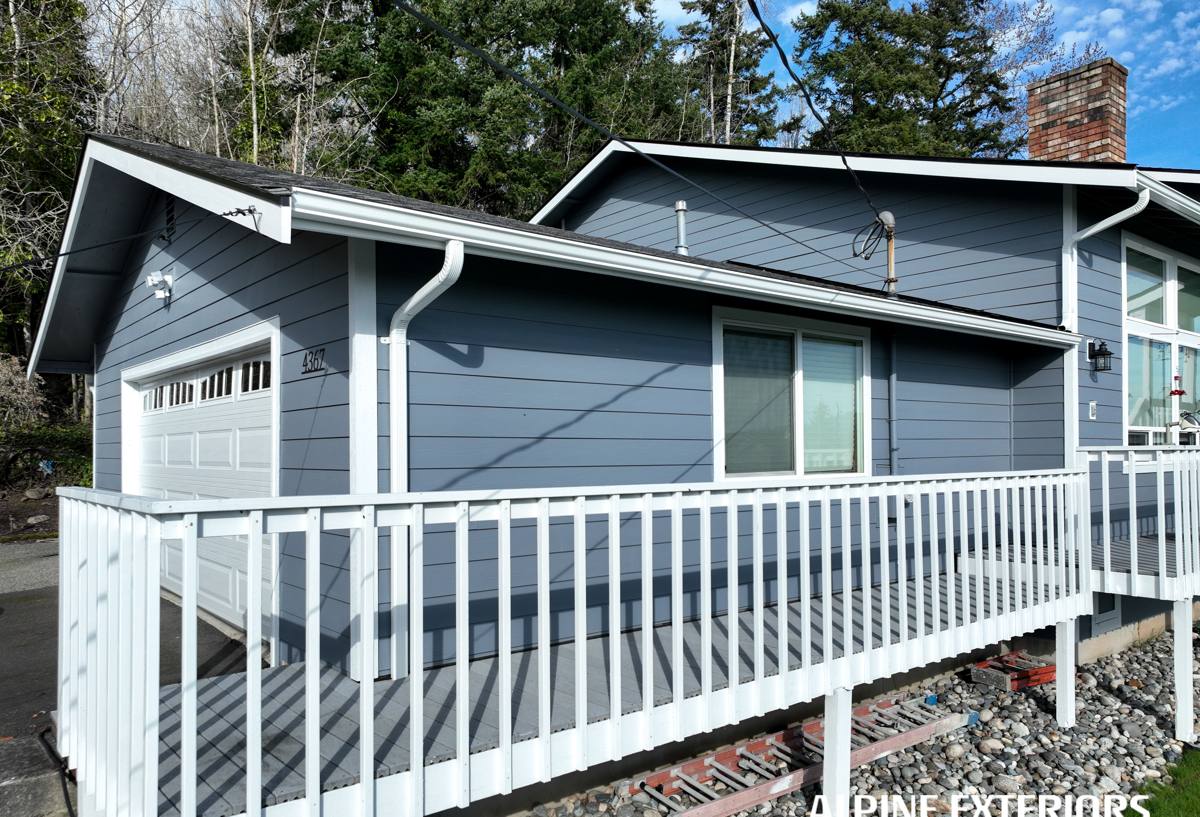
What Rosedale Homes Actually Need From a Roof
Every roofing material has to survive the same four stressors here, they just handle them differently:
- Wind uplift: Bradenton sits in a high-wind zone under Florida Building Code, and roof assemblies are rated for it. A metal roof's strength depends entirely on how it's fastened and how the panels interlock — not just the metal itself.
- UV exposure: Central Florida gets intense sun nearly year-round. Coatings and paint finishes degrade under that exposure at different rates depending on the product quality and how they're applied.
- Wind-driven rain: Storms here don't just drop rain straight down — they push it sideways and up under laps, ridges, and flashing. Underlayment and flashing detail matter as much as the roof covering itself.
- Salt air: Even set back from the water, Manatee County air carries enough salt to accelerate corrosion on the wrong fastener or metal type over time.
A metal roof that's specified and installed correctly for this environment can handle all four. One that's installed with shortcuts — the wrong fastener, thin underlayment, poor flashing — will show problems within a few storm seasons regardless of how good the panel itself is.
Metal Roofing Options We Install
Standing Seam
Standing seam is the system we recommend most often for Rosedale homes. The panels run vertically with raised, interlocking seams and no exposed fasteners on the field of the roof — fasteners are hidden under the seam using concealed clips. That matters in a wind-driven-rain climate because exposed screws are the most common point where water eventually finds its way in as gaskets age. Standing seam also handles thermal movement well, which is relevant given how much a metal roof heats up and cools down between a July afternoon and a nighttime storm.
Exposed-Fastener Metal Panels
These are a lower-cost metal option, often seen on garages, sheds, or budget-driven projects. They use screws with rubber washers driven directly through the panel face. They can be a reasonable option for the right structure, but the washers are a wear item — they harden and shrink with UV exposure over the years and eventually need replacing or re-driving. We're upfront with homeowners about that maintenance trade-off before recommending this route on a primary residence roof.
Metal Shingles and Shakes
For homeowners who want the look of traditional shingles or tile with the performance of metal, stamped metal shingle systems are an option. They interlock similarly to standing seam in terms of concealed fastening, with a more traditional aesthetic that can suit certain home styles in the neighborhood better than vertical panels.
Comparing Metal Roofing to Other Common Roof Types
| Factor | Standing Seam Metal | Architectural Asphalt Shingle | Tile |
|---|---|---|---|
| Typical lifespan (this climate) | 40-60 years | 12-18 years | 30-50 years |
| Wind performance | Excellent when properly fastened | Good, but tab edges are vulnerable over time | Good, but individual tiles can dislodge in high wind |
| UV/heat behavior | Reflective coatings reduce attic heat gain | Absorbs heat, granule loss accelerates with UV | Stable, but grout/underlayment ages |
| Salt air resistance | Strong with correct alloy/coating and fasteners | Moderate; granule and mat degrade over time | Strong; concrete/clay resist corrosion |
| Upfront cost | Higher | Lowest | Highest |
| Maintenance | Low | Moderate | Moderate |
None of these is universally "best" — it depends on your budget, your roof structure, and how long you plan to own the home. We'll walk through the honest trade-offs for your specific house rather than pushing one product line.
What a Correct Metal Roof Installation Involves
The panels get most of the attention, but the majority of a metal roof's real-world performance comes from what's underneath and around them.
Deck Inspection and Prep
Before anything goes down, the existing deck gets inspected for soft spots, water staining, or rot — especially around old penetrations and valleys. Metal telegraphs deck problems more visibly than shingles do, so skipping this step shows up later as a wavy or uneven roofline.
Underlayment
In a wind-driven-rain climate, underlayment is your backup layer if wind ever pushes water past the panel seams. We use high-temp synthetic or self-adhering underlayment appropriate for metal roofing, with extra attention at eaves, valleys, and around any roof penetration.
Fastening and Panel Layout
Panel spacing, clip spacing, and fastener type all get specified based on the wind uplift rating required for the structure and its exposure category — not just "what's standard." This is one of the areas where an installer unfamiliar with local wind requirements can quietly under-build a roof that looks fine on day one.
Flashing and Penetrations
Chimneys, vents, skylights, and wall transitions are where most roof leaks actually originate, metal or otherwise. Flashing has to be custom-fit and properly lapped with the underlayment and panels, not just caulked and hoped for.
Fastener and Metal Compatibility
Mixing incompatible metals (for example, the wrong fastener alloy against a given panel type) sets up galvanic corrosion that can eat through material years before it should fail — this is a bigger concern near salt air than most homeowners realize. We match fasteners and flashing metal to the panel system to avoid it.
Ventilation
A metal roof still needs a properly ventilated attic assembly underneath it. Good ventilation keeps attic temperatures reasonable and helps prevent moisture buildup that can affect the deck from below, regardless of how good the roof covering is.
Our Process for a Rosedale Metal Roof Project
- On-site inspection: We look at your current roof, deck condition, structure, and any problem areas before recommending a system.
- Honest options and pricing: We walk through panel types, finishes, and cost factors relevant to your specific roof — no one-size-fits-all quote.
- Permitting: Metal roofing on an existing home typically requires a permit through the local building department; we handle that paperwork.
- Tear-off and deck prep: Old roofing comes off, the deck gets inspected and repaired where needed.
- Underlayment and flashing installation: The protective layers go down first, correctly lapped and sealed.
- Panel installation: Panels are fastened per the wind-rated spec for your exposure and structure.
- Final walkthrough: We review the completed roof with you and cover care and warranty details before we consider the job done.
Cost Factors for a Rosedale Metal Roof
Metal roofing costs more upfront than asphalt shingles, and the final number depends on several variables rather than a flat per-square rate:
- Panel type: Standing seam runs higher than exposed-fastener panels due to material and labor.
- Roof complexity: Steep pitches, multiple valleys, dormers, and lots of penetrations all add labor time.
- Deck condition: Rot or soft decking found during tear-off adds repair cost, which is why an honest pre-project inspection matters.
- Metal gauge and coating: Heavier gauge panels and higher-grade coatings cost more but hold up longer against UV and salt air.
- Tear-off scope: Removing multiple existing layers of old roofing versus a single layer changes labor and disposal cost.
We give real numbers after seeing your actual roof — not a phone-quote guess — because these variables swing the price too much for a generic estimate to be honest.
Why a Locally Experienced Crew Matters Here
Metal roofing done wrong doesn't usually fail immediately — it fails in the next big wind event or after a few seasons of salt exposure quietly working on the wrong fastener. A crew that already works in and around Bradenton and Manatee County understands the wind uplift requirements that actually apply to this area, knows what deck and structural issues tend to show up in homes of Rosedale's age and construction style, and isn't learning wind-driven-rain detailing on your roof for the first time. That local familiarity shows up in the details — flashing choices, fastener selection, and how the job is sequenced around Florida's afternoon storm patterns — more than in anything you'd notice from the ground.
Signs Your Current Roof May Be Ready for an Upgrade
- Shingles that are curling, cracking, or losing granules faster than expected for their age
- Visible sagging or unevenness across the roofline
- Frequent minor leaks or staining on interior ceilings after storms
- Rising cooling costs that may point to poor attic ventilation or heat gain through the roof
- A roof approaching or past the age where insurance carriers start asking questions
If you're weighing a metal roof for your Rosedale home, we're happy to take a look and give you a straightforward, no-pressure estimate — just fill out the form below and we'll get in touch.