 Bradenton
 Siding Installation Built for Palmetto's Climate
Palmetto sits along the Manatee River just north of Bradenton, and homes here take on a specific combination of stresses that inland Florida properties don't deal with in the same way. You're close enough to the water to catch salt-laden air, exposed to the same hurricane-track wind risk as the rest of the Gulf Coast, and baking under the same relentless UV load that ages exterior materials faster than almost anywhere else in the continental United States. Siding in Palmetto isn't just an appearance choice — it's the layer standing between your framing and a climate that doesn't let up.
We install James Hardie fiber cement siding exclusively. That's not a marketing angle — it's a standard we hold because we've seen what happens to other materials under Gulf Coast conditions over a full ownership cycle, and we don't want our name on a product we don't believe holds up. This page walks through what Palmetto homes specifically need from their siding, what correct installation looks like, and how we run the job from first estimate to final walkthrough.
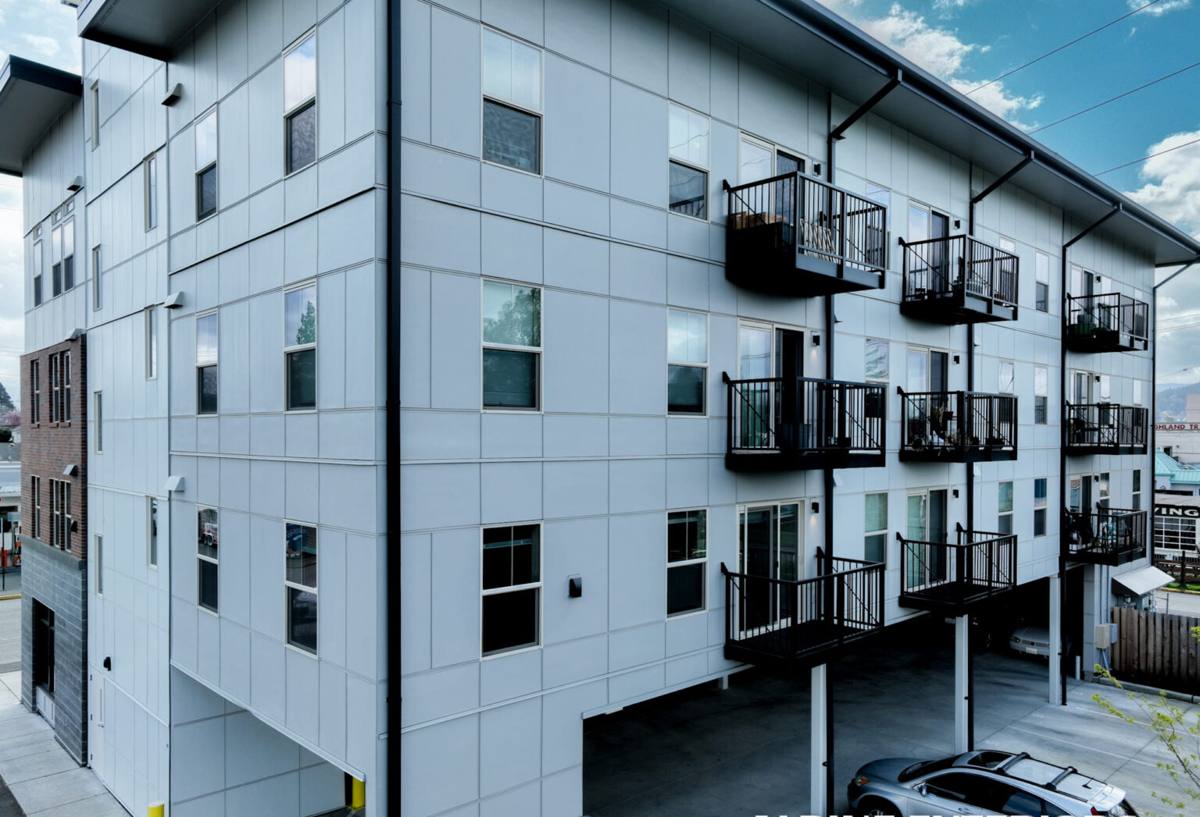
What Palmetto Homes Are Up Against
Wind-Driven Rain and Storm Exposure
Manatee County sits inside a well-established hurricane corridor, and Palmetto's proximity to Tampa Bay and the Gulf means wind-driven rain is a routine part of storm season, not a rare event. Siding doesn't just need to look good in calm weather — it needs a fastening pattern and water-management system designed to keep wind-driven moisture from working behind the cladding during a sideways rain event. Poor installation is often invisible until the first serious storm exposes it.
Constant UV and Heat Cycling
Florida gets more direct sun exposure across the year than almost any other state, and that UV load is hard on paint film, caulking, and any material prone to expansion and contraction. Siding that isn't dimensionally stable under heat cycling will eventually show it — through cracking, warping, or joints opening up over time.
Salt Air Corrosion
Palmetto's location near the Manatee River and Tampa Bay puts homes within reach of airborne salt, which accelerates corrosion on fasteners, trim, and any component not rated for coastal exposure. This is a slower, quieter problem than wind or rain damage, but it adds up over years and shows up first at fastener heads and joint hardware.
Humidity and Moisture Retention
Year-round humidity in this part of Florida means anything that traps or wicks moisture behind the siding face stays wet longer than it would in a drier climate. That extended moisture dwell time is what drives rot, mold, and substrate damage — the siding material itself matters less here than whether the whole assembly is built to dry out.
Why Fiber Cement Fits This Climate
James Hardie fiber cement is engineered from cement, sand, and cellulose fibers, which makes it dimensionally stable across Florida's heat swings and non-combustible — a real advantage in a state where wildfire and ember exposure is a growing consideration in some areas. It doesn't absorb moisture the way wood-based products can, and it's manufactured with region-specific HZ5 formulations designed for hot, humid, high-moisture climates like ours. Combined with a factory-applied ColorPlus finish, it holds color and resists the fading that comes from year-round UV exposure far better than field-applied paint systems.
We don't install LP SmartSide, vinyl, Cemplank, Allura, or primed wood siding, and we're upfront about why. Vinyl can deform under sustained heat and doesn't hold up structurally in high-wind events the way a properly fastened fiber cement panel does. Engineered wood products carry moisture-sensitivity concerns that field-applied caulking and paint can't fully offset in a climate this humid. Other fiber cement brands may perform reasonably, but we've standardized on Hardie because of its climate-specific product engineering, factory finish consistency, and the strength of its transferable warranty — and standardizing on one system means our crews install it correctly every time instead of relearning specs across five different products.
What Correct Installation Actually Involves
Siding failures in Florida are rarely about the siding material itself — they're almost always about installation details that get rushed or skipped. For Palmetto homes, we pay particular attention to:
- Water-resistive barrier integrity: a continuous, properly lapped weather barrier behind the siding, with no gaps at penetrations
- Flashing at every penetration: windows, doors, hose bibs, vents, and any other wall penetration get proper flashing so wind-driven rain can't track behind the cladding
- Correct fastener spacing and type: using corrosion-resistant fasteners driven to Hardie's specified pattern, not a generic spacing that saves time but compromises wind resistance
- Proper clearances: maintaining the manufacturer-specified gap between siding and grade, roofing, and decking to prevent moisture wicking
- Caulking and sealant at joints: using products rated for sustained sun and humidity exposure, applied at every seam and trim intersection
- Panel and joint layout: planning seams to shed water correctly rather than create catch points where moisture can sit
Any one of these steps done wrong can undercut an otherwise good material. This is why we treat installation specification as seriously as product selection.
Our Process for a Palmetto Siding Installation
1. On-Site Assessment
We walk the exterior with you, evaluate the current siding or substrate condition, check for existing moisture or rot issues, and talk through your goals — whether that's a full re-side after storm damage, an aging home reaching the end of its original siding's service life, or a renovation.
2. Product and Profile Selection
We go over the relevant Hardie product lines and profiles for your home's style and budget, and talk through color options in the ColorPlus factory-finish system.
3. Detailed Written Estimate
You get a clear, itemized estimate before any work begins — no vague allowances, no surprise change orders for scope that should have been priced up front.
4. Substrate Prep and Repair
Before new siding goes up, we address any water-damaged sheathing, framing, or trim underneath. Installing over a compromised substrate just locks the problem in behind the new siding.
5. Installation to Manufacturer Spec
Our crews install to James Hardie's published specifications for our climate zone — fastening, flashing, clearances, and joint treatment all follow the documented standard, not shortcuts.
6. Final Walkthrough
We walk the finished job with you, point out what was done and why, and make sure you're satisfied before we consider the project complete.
Cost Factors for Siding Installation in Palmetto
Every home is different, but the factors below are what typically move the price on a Palmetto siding installation:
| Factor | Why It Matters |
|---|---|
| Home size and wall complexity | More square footage and more corners, gables, and dormers mean more labor and material |
| Substrate condition | Rot or water damage discovered during tear-off adds repair scope before new siding can go up |
| Siding profile and finish | Different Hardie profiles (lap, shingle, panel) and ColorPlus finish options carry different material costs |
| Trim and detail work | Window and door surrounds, corner boards, and fascia detail add labor time |
| Access and site conditions | Multi-story sections, tight lot lines, or landscaping obstacles affect crew efficiency |
| Removal of existing siding | Tear-off and disposal of old material is a separate cost component from new installation |
We give you an honest, itemized number after seeing the actual home — not a rough guess based on square footage alone.
Why Hiring a Crew That Works This Area Matters
A contractor who regularly works Manatee County jobs already understands the wind-load and moisture-management realities specific to this stretch of the Gulf Coast, rather than applying generic installation practices that may be fine in a drier, calmer climate but fall short here. Local experience also means familiarity with the permitting and inspection expectations that apply to exterior work in this county, which keeps your project moving instead of stalling on avoidable paperwork issues. And because we're not far away, warranty service and follow-up questions after the job don't mean waiting on a crew that has to drive in from another region.
Signs Your Palmetto Home May Need New Siding
- Visible cracking, warping, or buckling in the current siding
- Soft spots or discoloration that suggest moisture has reached the substrate behind the siding
- Paint that's failing faster than expected, especially on sun-exposed elevations
- Rising energy bills that may point to a compromised building envelope
- Siding that's simply reached the end of its expected service life
- Storm damage from wind or wind-driven debris
If you're seeing any of these, it's worth getting a professional look before small issues become structural ones.
If you're planning a siding project in Palmetto, we're happy to take a look and give you a straightforward, no-pressure estimate. Fill out the form below and we'll get in touch to schedule a time to walk the property with you.