 Bradenton
 Why Longboat Key Roofs Wear Out Differently
Longboat Key sits out on the barrier island, with open Gulf and bay exposure on both sides. That location is what makes the island beautiful, and it's also what makes roofing here a different job than roofing a home a few miles inland in Bradenton or East Manatee County. A roof on Longboat Key takes wind loads a sheltered inland roof never sees, gets hit with salt-laden air around the clock, and bakes under nearly unbroken sun for most of the year. None of that means the roof is doomed to fail early — it means the installation has to account for all three factors from the start, not just meet the minimum to pass inspection.
When we install a new roof on Longboat Key, we're not just swapping old material for new. We're building an assembly — deck, underlayment, flashing, fasteners, and covering — that has to work together as a system against wind uplift, wind-driven rain intrusion, and slow corrosion. Skip any one layer and the roof looks fine for a year or two, then starts showing problems exactly where you'd least want them: at valleys, penetrations, and edges.
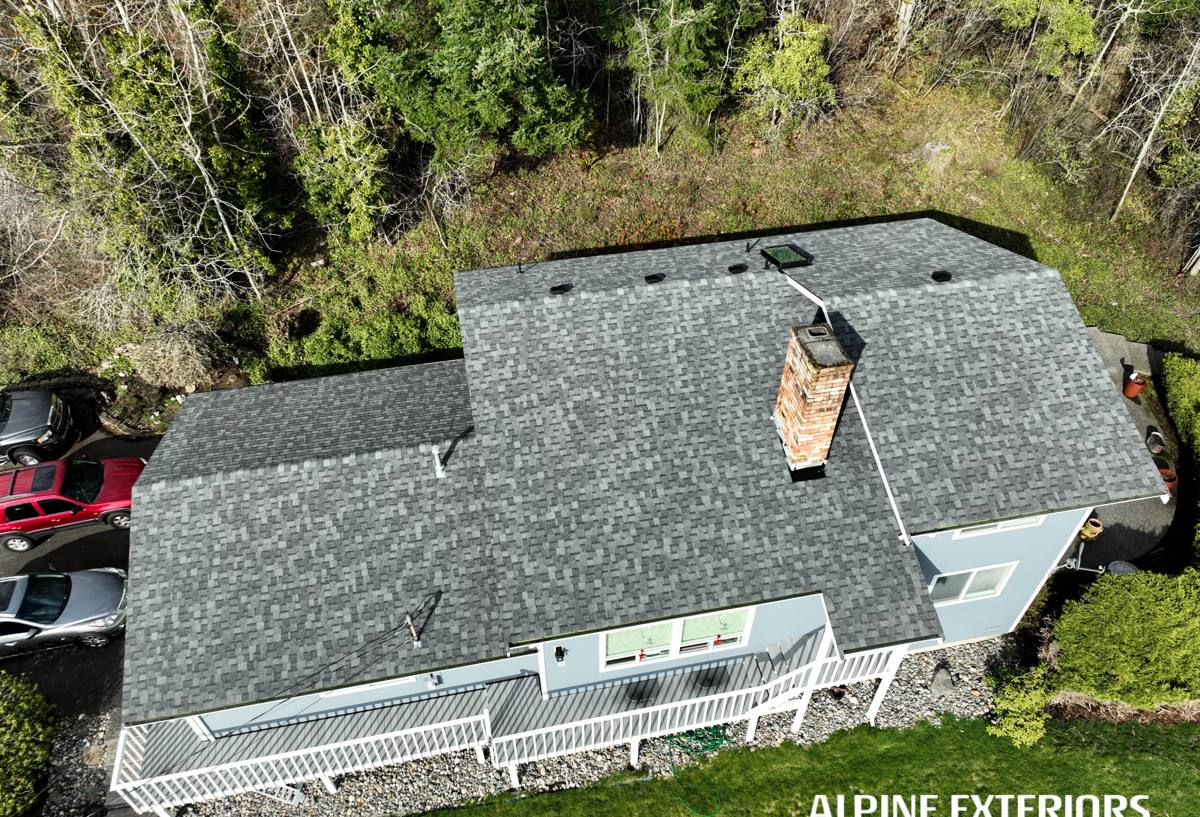
What a Correct Installation Involves Here
Deck Inspection and Repair
Every new roof starts with the deck, not the shingles or tile. On older Longboat Key homes, we routinely find sections of decking that have been softened by years of humidity and small, slow leaks that were never obvious from inside. Installing a new roof over a compromised deck is one of the most common shortcuts in this trade, and it's also one of the most expensive mistakes for a homeowner to inherit later. Any soft, delaminated, or water-stained decking gets replaced before anything else goes down.
Underlayment That Matches the Exposure
Standard felt underlayment is not enough for a barrier island roof. We use self-adhering, high-temperature underlayment at eaves, valleys, and penetrations — the areas most exposed to wind-driven rain — and a synthetic or peel-and-stick system across the field of the roof depending on the covering being installed. This underlayment is the roof's real waterproofing layer; the shingles or tile above it are the wear surface and the first line of defense, but the underlayment is what keeps the house dry if wind ever drives water underneath the surface layer.
Flashing and Fastening
Flashing at chimneys, walls, skylights, and roof-to-wall transitions has to be formed and installed correctly, not just caulked and hoped for. Fasteners matter just as much — the wrong nail pattern, spacing, or fastener material can cut a roof's wind rating dramatically even if the shingle or tile itself is rated for high wind. We follow manufacturer-specified fastening schedules for the wind zone, not a generic pattern.
Comparing Roofing Materials for a Barrier Island Home
There's no single "best" roofing material for Longboat Key — the right choice depends on your home's structure, your HOA or condo association's rules (many communities here have architectural guidelines), and how you weigh upfront cost against long-term maintenance. Here's how the common options compare for this specific environment:
| Material | Wind Performance | Salt Air / Corrosion | Maintenance | Typical Lifespan |
|---|---|---|---|---|
| Concrete or clay tile | Excellent when properly fastened and battened | Tile itself is inert; metal flashing and fasteners need corrosion-resistant hardware | Periodic inspection of underlayment and broken tiles after storms | 30–50 years |
| Standing seam metal | Very strong; concealed fasteners resist uplift well | Coated or coastal-grade metals hold up well; lower-grade metal or exposed fasteners corrode faster | Low; occasional fastener and seam checks | 30–50 years |
| Architectural asphalt shingle | Good with high-wind rated products and correct fastening; lower ceiling than tile or metal | Granule and seal-strip products formulated for coastal use hold up better than standard-grade shingles | Moderate; more frequent inspection recommended in salt air | 15–25 years in this climate |
Asphalt shingle roofs aren't a bad choice for Longboat Key, but they do wear faster here than they would inland, and product selection matters more — a coastal-rated shingle with a strong sealant strip performs meaningfully better than a standard big-box product under UV and salt exposure.
Fasteners and Metal Components: The Part Homeowners Rarely See
One place we won't cut corners on any Longboat Key install is fastener and flashing metal. Standard galvanized fasteners corrode faster in salt air than stainless steel or hot-dip galvanized hardware rated for coastal use. It costs more upfront and it's invisible once the roof is finished, but it's one of the biggest differences between a roof that holds its wind rating for decades and one that starts losing fasteners to corrosion within a handful of years.
Wind Resistance and Building Code Requirements
Barrier islands like Longboat Key sit in one of the higher wind-speed design zones on Florida's coast, because the open water exposure gives wind nothing to slow it down before it hits the structure. That means permitted roof work here has to meet uplift and attachment standards set for that exposure category — this isn't optional or something a contractor can substitute a cheaper fastening pattern for and still call it code-compliant. A correctly engineered and installed roof is rated as a system: covering, underlayment, and fastening pattern all tested together, not individually.
We pull permits and schedule inspections through the appropriate local building department for every new roof installation, and we install to the wind-rated specification the covering manufacturer requires for this zone — not a lower-cost inland spec that happens to look the same on the surface.
Working With Longboat Key's HOAs and Condo Associations
A large share of Longboat Key roofing work involves an extra step that a lot of inland Bradenton roofing jobs don't: architectural review. Many of the island's communities and condo associations have specific rules on roof color, material, and profile, and some require board or committee approval before work begins. We factor that review process into the project timeline from the start rather than treating it as a surprise delay, and we can supply the documentation — material specs, color samples, manufacturer data — that most associations ask for.
Our New Roof Installation Process
- Inspection and estimate. We assess the existing roof, deck condition, flashing details, and any HOA or permitting requirements specific to your property, and give you a written estimate with material options.
- Material selection. We walk through tile, metal, and shingle options for your home and budget, including what each will realistically cost to maintain over time in this environment.
- Permitting. We handle the building permit application and any required association approvals before work starts.
- Tear-off and deck repair. Old roofing is removed, the deck is inspected, and any damaged decking is replaced before anything new goes down.
- Underlayment and flashing. Waterproofing layers and flashing are installed to match the exposure at every valley, wall, and penetration.
- Roof covering installation. Tile, metal, or shingle is installed to the manufacturer's wind-rated specification for this zone.
- Final inspection and walkthrough. We coordinate the required inspection and walk the finished roof with you before calling the job complete.
Roof Installation Checklist for Longboat Key Homeowners
- Ask whether the deck will be inspected and what happens if damaged sections are found
- Confirm the underlayment type being used at valleys, eaves, and penetrations
- Ask what fastener and flashing metal grade is being used — standard galvanized vs. coastal-rated
- Get the wind rating of the specific product and installation method, not just the general product line
- Check whether your HOA or condo association requires design approval before work starts
- Confirm who is pulling the permit and scheduling inspections
- Ask for the manufacturer warranty terms in writing, including anything that could void coverage
Why Local Experience on Longboat Key Matters
A roofing crew that mostly works inland Manatee County jobs isn't necessarily wrong for a barrier island home, but they may not be used to the extra steps this location requires — association approvals, coastal-grade hardware, and fastening patterns built for direct water exposure rather than a sheltered lot. Crews that already work Longboat Key regularly know which associations require what documentation, which flashing details tend to fail first in this exposure, and how to sequence a project around the logistics of an island community. That familiarity shows up in fewer surprises during the project and a roof that's built for the conditions it will actually face, not a generic specification.
If you're planning a new roof on Longboat Key, we're happy to come out, take an honest look at your current roof and deck, and put together a free, no-pressure estimate with real options — no obligation, no pushy sales pitch. Use the form below to get started.