 Bradenton
 Board & Batten on a Barrier Island: Why It's Everywhere on Longboat Key
Drive through Longboat Key and you'll notice how many homes lean into clean vertical lines — wide flat panels separated by narrow battens, often paired with metal roofing, deep overhangs, and impact glass. It's the coastal-modern and Florida farmhouse look that fits this stretch of the Gulf coast, and board and batten siding is the material choice that makes it possible. The vertical lines read as tall and crisp from the street, work well on gables and accent walls, and pair cleanly with the horizontal lap siding many builders still use on the rest of the elevation.
But board and batten isn't just a look. On a barrier island, the material behind that look has to survive conditions that inland Manatee County homes simply don't face. That's the part of this page that matters most.
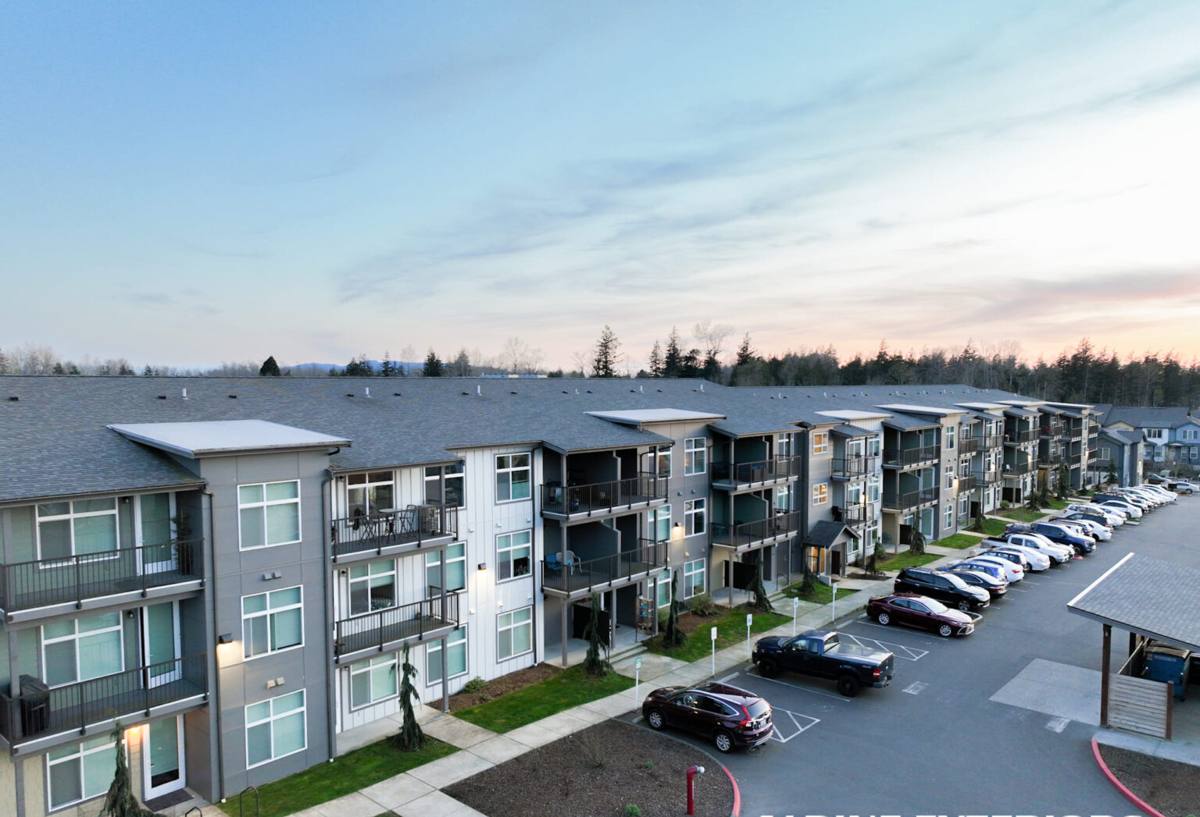
What Longboat Key's Climate Actually Does to Vertical Siding
Longboat Key sits directly on the Gulf, which means every wall on the island deals with a combination of stresses most siding was never designed to handle all at once:
- Salt air corrosion — airborne salt settles on exterior surfaces and accelerates the breakdown of fasteners, trim, and lower-grade cladding materials, especially anything with exposed metal or untreated wood.
- Hurricane-force wind loads — a barrier island takes the first hit from tropical systems moving in off the Gulf. Siding here needs real wind resistance, not just a manufacturer's baseline rating.
- Intense, year-round UV — Florida sun fades and degrades paint finishes and plastics faster than almost anywhere else in the country, and it doesn't let up in winter the way it does farther north.
- Wind-driven rain — storms here don't just drop rain straight down, they drive it sideways into seams, joints, and battens under pressure, which is exactly where poor installation shows up first.
None of these is a reason to avoid board and batten siding. It's a reason to be selective about the material and precise about the installation — the two things that determine whether that vertical siding still looks sharp in year fifteen or is already cupping, staining, and leaking by year five.
Why We Only Install James Hardie for Board & Batten
We install James Hardie fiber cement exclusively — we don't do vinyl board and batten, wood board and batten, or engineered wood panel systems. That's a deliberate standard, not a sales preference, and it matters more on Longboat Key than almost anywhere else we work.
Vinyl board and batten
Vinyl is affordable and low-maintenance in mild climates, but it's a thin plastic panel that expands, contracts, and can deform in direct, sustained heat — a real issue on a barrier island with no shade canopy and reflected heat off the water. Its wind ratings also depend heavily on fastening pattern and panel gauge, and once damaged, it's rarely a clean patch repair — the whole run of panel usually needs replacing to match faded coloring.
Wood board and batten
Real wood gives the most authentic traditional look, and we understand why some homeowners want it. But wood is organic material sitting in a coastal humidity and salt environment. It needs consistent repainting, is vulnerable to moisture intrusion at the battens if caulking fails, and can attract pests. On a Gulf-facing property, the maintenance schedule needed to keep wood board and batten performing is demanding and unforgiving of gaps.
James Hardie fiber cement
Hardie's board and batten products are engineered from cement, sand, and cellulose fiber — a non-combustible material that doesn't rot, doesn't attract termites, and holds paint and factory finish far longer than wood or vinyl in UV-heavy climates. Hardie also builds region-specific formulations (their HZ5 line) engineered for high-humidity, storm-prone climates like ours, and backs the product with a ColorPlus factory finish and a strong transferable warranty. It's the reason it's what we put on Longboat Key homes.
| Factor | Vinyl Board & Batten | Wood Board & Batten | James Hardie Fiber Cement |
|---|---|---|---|
| Salt air / corrosion resistance | Moderate — fasteners and trim can corrode | Poor without diligent maintenance | Strong, non-organic material |
| UV / fade resistance | Fades and can become brittle over time | Requires repainting on a set schedule | ColorPlus factory finish holds color |
| Wind performance | Depends heavily on gauge and fastening | Depends on fastening and wood condition | Engineered and rated for high-wind zones |
| Fire resistance | Combustible plastic | Combustible | Non-combustible |
| Typical maintenance | Low, but limited repair options | High — regular repainting and sealing | Low — periodic cleaning and caulk checks |
What a Correct Board & Batten Installation Involves
Board and batten looks simple from the street — flat panels, vertical strips — but the detailing behind it is where a job either holds up to a Gulf storm season or fails at the seams. On Longboat Key specifically, we pay close attention to a few details that matter more here than on an inland home.
Fastening and wind resistance
Every fastener, spacing pattern, and edge distance is installed to the manufacturer's specification for our wind zone — not a generic pattern. Under-fastened board and batten is one of the most common failure points we see on barrier island re-siding jobs.
Moisture management behind the panel
Wind-driven rain finds gaps. Correct installation means a proper weather-resistive barrier, correctly lapped and taped seams, and attention to how water is meant to drain behind the panel — not just how the face looks once it's up.
Flashing at every penetration
Windows, doors, hose bibs, light fixtures, vents — every penetration through the siding plane is a potential entry point for wind-driven rain. Flashing has to be installed and lapped correctly at each one, not just caulked over.
Batten spacing and fastening
The battens aren't purely decorative — they cover the panel seams and need consistent spacing, straight lines, and their own correct fastening schedule so they don't work loose under wind pressure over time.
Sealant selection
Not every exterior sealant holds up to salt air and constant UV. We use products rated for this environment at panel joints, trim, and penetrations, since a cheap sealant failing is one of the fastest ways a well-installed job starts leaking.
Our Process, Start to Finish
- On-site assessment — we walk the exterior, check the current substrate and any moisture or wind damage, and talk through where board and batten makes sense on the elevation.
- Material and layout plan — panel and batten spacing, color, and transition points to existing lap siding, trim, or masonry are mapped out before anything is ordered.
- Prep and moisture barrier — old siding and damaged sheathing are removed and inspected, and a correctly installed weather-resistive barrier goes down before a single panel is hung.
- Installation to spec — panels, battens, flashing, and fastening are installed to James Hardie's specifications for our wind zone, not shortcuts.
- Final inspection and walkthrough — we check seams, caulking, and fastening before we consider the job done, and walk the finished exterior with the homeowner.
Maintenance and Longevity in a Salt-Air Environment
One of the real advantages of James Hardie fiber cement on Longboat Key is how little ongoing work it asks for compared to wood or vinyl. It doesn't need repainting on the schedule wood does, it won't rot, and it resists the pests that a humid barrier island environment can bring. That said, no exterior material is maintenance-free in this climate. A simple periodic rinse to clear salt residue and pollen, and an annual look at caulk lines around windows, doors, and penetrations, goes a long way toward getting the full lifespan out of the installation.
What Board & Batten Siding Typically Costs to Plan For
Every home and elevation is different, so we don't post fixed pricing — but these are the real factors that move the number, so you know what you're being quoted for when you get an estimate.
| Cost Factor | Why It Matters |
|---|---|
| Amount of existing siding removal | Full tear-off versus overlay on new construction changes labor significantly |
| Substrate condition | Water damage or rot found underneath adds repair scope before new siding goes on |
| Wall complexity | Gables, dormers, and multiple roof lines mean more cutting, flashing, and trim work |
| Panel and batten spacing chosen | Wider reveals use fewer battens; tighter spacing is more material and labor |
| Color and finish | Factory ColorPlus finishes versus field-painted options affect material cost |
| Access and site conditions | Waterfront lots, tight setbacks, and seawall proximity can affect staging and logistics |
Why It Matters to Hire a Crew That Already Works Longboat Key
Barrier island jobs aren't the same as a standard mainland Manatee County install. Crews who regularly work Longboat Key already understand the wind-load expectations for a Gulf-facing structure, how to sequence a job around the island's traffic and access realities, and how quickly salt air and UV expose sloppy detailing. That experience shows up in the small decisions — fastener choice, sealant selection, flashing sequencing — that a homeowner won't see until years later, either because the job is still performing perfectly or because it isn't.
Before you hire anyone for board and batten siding on Longboat Key, it's worth confirming a few things up front:
- They install to the manufacturer's specification for your actual wind zone, not a generic pattern used everywhere
- They can explain their moisture barrier and flashing approach in plain terms, not just "we caulk everything"
- They're licensed and insured to work in Manatee and Sarasota county jurisdictions
- They stand behind both the material warranty and their own labor/workmanship
- They've actually worked barrier island properties before, not just mainland subdivisions
If you're weighing board and batten siding for a Longboat Key home, we're happy to walk your property, talk through what the elevation and climate actually call for, and put together a free, no-pressure estimate — just fill out the form below.