 Bradenton
 Southgate Is an Established Bradenton Neighborhood With Real Siding Needs
Southgate is one of Bradenton's long-established residential neighborhoods, with a mix of home ages and construction types like much of the surrounding city. Whatever a given house started with, exterior cladding here doesn't get an easy ride. Manatee County sits squarely in a stretch of Florida where hurricane-force wind events are a real possibility every storm season, the sun is intense and constant nearly year-round, humidity keeps moisture in contact with exterior walls for long stretches, and the Gulf Coast's salt-laden air is only a short drive from most Bradenton addresses. Siding in this neighborhood has to hold a paint or factory finish, resist moisture intrusion, and stay structurally attached through wind events — all at the same time, year after year.
That's a different job than siding has to do in a drier, calmer climate. A product or installation method that performs fine in Ohio or the Carolinas can fail faster here, and the failure usually isn't dramatic — it's slow. Fading. Softening at the bottom edge. Nail heads working loose. Small gaps that let water behind the cladding. By the time it's obvious from the curb, the damage underneath is often already done.
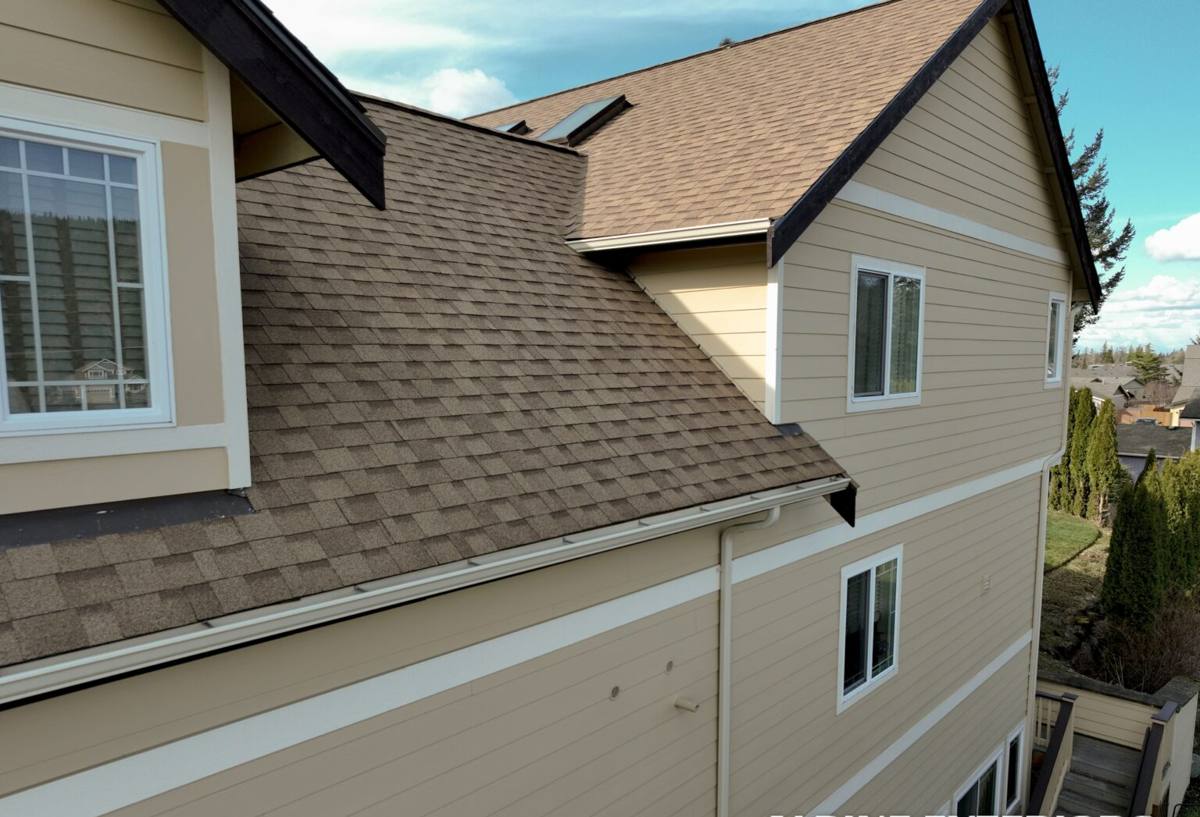
What Manatee County's Climate Actually Does to Exterior Siding
UV and Heat
Florida sun breaks down pigments and surface coatings faster than almost anywhere else in the continental U.S. Siding with a weak factory finish, or siding that was field-painted with a standard exterior paint, will chalk, fade, and lose its sheen well before it should. Heat cycling — hot days, cooler nights, afternoon thunderstorms — also stresses the material itself, expanding and contracting it constantly.
Wind-Driven Rain and Humidity
Bradenton doesn't just get rain — it gets rain pushed sideways by wind, which finds every seam, lap, and penetration in a wall system that wasn't detailed correctly. Combine that with ambient humidity that rarely lets exterior walls fully dry out, and you have the exact conditions that rot wood-based products and cause organic growth on siding that can't handle sustained moisture contact.
Salt Air
Southgate isn't beachfront, but Bradenton's whole footprint is close enough to Tampa Bay and the Gulf that airborne salt reaches inland neighborhoods, especially with onshore wind. Salt accelerates corrosion of fasteners and trim hardware and adds to the chemical stress on any exterior coating.
Hurricane Wind Loads
Every siding installation in this part of Florida is a wind-resistance installation, whether the homeowner thinks about it that way or not. Fastening pattern, fastener type, and how the product is rated for wind pressure all matter more here than in most of the country.
Why This Company Installs Only James Hardie Fiber Cement
We don't install vinyl siding, LP SmartSide, Cemplank, Allura, primed spruce, or cedar. That's not a marketing line — it's a standard we hold because of exactly the conditions described above. Vinyl softens, warps, and becomes brittle under sustained UV and heat, and it has real limits on wind resistance depending on the profile and fastening. Wood-based and wood-adjacent products, including engineered wood siding, are more vulnerable to the moisture and humidity cycle this climate puts them through, especially at cut edges and butt joints where the manufacturer's factory treatment doesn't reach. None of that means those products are junk everywhere — plenty perform acceptably in drier, milder climates. It means we don't think they're the right call for a house in Manatee County, and we'd rather turn down that work than install something we don't believe will hold up on a Southgate home.
James Hardie fiber cement is cement, sand, and cellulose fiber — non-combustible, dimensionally stable, and largely indifferent to the moisture cycling that causes trouble for wood and wood-composite products. It's also engineered in regional formulations, which matters more than most homeowners realize.
The HZ5 Formulation
James Hardie makes climate-specific versions of its siding, and homes in this part of Florida should be getting the HZ5 formulation — engineered for high-humidity, high-moisture climates. Installing the wrong regional formulation is one of the quieter mistakes that shows up in a warranty claim years later. It's a detail worth confirming with any contractor, and it's one we don't treat as optional.
ColorPlus Factory Finish
Rather than relying on field-applied paint to survive Florida sun, ColorPlus is a baked-on finish applied and cured under factory conditions, with a longer color warranty than most field-painted finishes can match. It resists fading and chalking far better than standard paint applied on-site, which matters directly for a neighborhood getting this much sun exposure.
What a Correct James Hardie Installation Actually Involves
The product is only half the equation. Most siding failures — on any brand — trace back to installation shortcuts, not the material itself. On a Southgate job, we treat the following as non-negotiable:
- A continuous, properly lapped water-resistive barrier behind the siding, with all penetrations (pipes, vents, hose bibs, fixtures) flashed and sealed before a single board goes up.
- Correct fastener type, length, and spacing for the local wind zone — not a generic pattern pulled from a different climate's install guide.
- Manufacturer-specified clearances: gaps at the bottom edge above grade, at roof lines, and at any hard surface, so water has somewhere to go instead of wicking into the board.
- Proper joint treatment at every butt seam and inside/outside corner, including factory-primed or ColorPlus-finished cut edges — an exposed raw edge is a moisture entry point.
- Correct nailing depth — over-driven fasteners crack the board's outer face and create a leak path that isn't visible until the damage is well underway.
- Trim, soffit, and fascia details that match the wall system so the whole envelope works together, not just the flat field of siding.
Any one of these done wrong can undercut everything the product itself is capable of. It's why we treat installation quality as inseparable from the product decision.
Our Process on a Southgate Job
The sequence is straightforward, but each step exists for a reason:
- Inspection and assessment — we look at the current siding, sheathing condition where accessible, trim, and any signs of existing moisture damage before quoting anything.
- Product and color selection — matching board profile (lap, panel, shingle-style) and ColorPlus color to the home, with the correct HZ5 formulation specified.
- Removal and prep — stripping old siding down to sheathing, addressing any rot or damage found underneath before it gets covered up again.
- Water-resistive barrier and flashing — the step that determines whether the job holds up in a storm, done before the new siding goes on.
- Installation — fastening, spacing, and joint treatment to manufacturer and local wind-zone specification.
- Trim, caulking, and final detail work — the finishing details that keep water out of seams and penetrations long-term.
- Walkthrough — reviewing the finished work with the homeowner before we consider the job done.
Most siding replacement work in Bradenton and unincorporated Manatee County requires a building permit and inspection. We handle that as part of the job — it's not something a homeowner should have to chase down separately, and skipping it is a red flag for any contractor's process.
What Southgate Siding Work Tends to Cost
Every home is different, but these are the factors that actually move the price on a James Hardie job in this area:
| Cost Factor | Why It Matters |
|---|---|
| Home size and wall complexity | More square footage and more corners, gables, and dormers mean more cutting, fitting, and labor time. |
| Removal of existing siding | Tear-off and disposal of the old material, plus any sheathing repair found underneath, adds time before installation even starts. |
| Siding profile chosen | Lap, panel, and shingle-style profiles differ in material cost and installation labor. |
| Trim and accessory work | HardieTrim boards, soffit, fascia, and corner details add cost but are part of a complete, weathertight system. |
| Color | Standard ColorPlus colors versus custom or premium finishes can shift material pricing. |
| Site access | Two-story sections, tight lot lines, or landscaping obstacles affect labor time and equipment needs. |
We give firm, itemized quotes after seeing the actual home — not a generic per-square-foot number pulled out of the air, since the factors above swing the real cost more than square footage alone.
Why a Crew That Already Works Southgate Matters
A contractor who works this area regularly already knows the local wind-load requirements, has a working relationship with Manatee County and City of Bradenton permitting, and understands how to schedule around Florida's storm season instead of getting caught mid-project by it. They've also seen how homes in this specific climate age — which details fail first, which shortcuts show up years later as leaks, and which product choices hold up versus which ones don't. That local pattern recognition is hard to substitute for, and it's a fair thing to ask about when you're vetting who touches your home.
Keeping New Siding Performing Long-Term
James Hardie siding installed correctly is genuinely low-maintenance compared to the alternatives, but "low-maintenance" isn't "no-maintenance" in this climate. A simple annual routine goes a long way:
- Rinse the siding with a garden hose once or twice a year to clear salt residue, pollen, and grime — no pressure washer aimed directly at seams or joints.
- Walk the exterior after any major storm and look for loose trim, cracked caulk lines, or displaced boards.
- Check and refresh caulking at trim joints and penetrations every few years, since caulk wears out well before the siding does.
- Keep gutters clean and downspouts directed away from the foundation so water isn't sheeting down the wall face.
- Trim back vegetation that holds moisture against the siding or blocks airflow along a wall.
None of that is difficult, but it's the difference between siding that reaches its full lifespan and siding that develops preventable problems early.
If you're weighing a siding replacement or repair for a home in Southgate, we're glad to take a look and give you a straightforward, no-pressure estimate — just fill out the form below.