 Bradenton
 Building Decks for Holmes Beach's Barrier Island Homes
Holmes Beach sits on a barrier island, which means every deck we build here has to answer to conditions that don't apply to a typical inland Bradenton lot. Homes are closer to open saltwater, exposed to more direct wind, and often built up on pilings or elevated foundations to deal with flood risk. A deck that would hold up fine ten miles inland can fail early out here if it's not designed and built with the local environment in mind. This page covers what actually matters for a custom deck built for a Holmes Beach home — the material choices, the structural details, and the reasons local building experience makes a real difference.
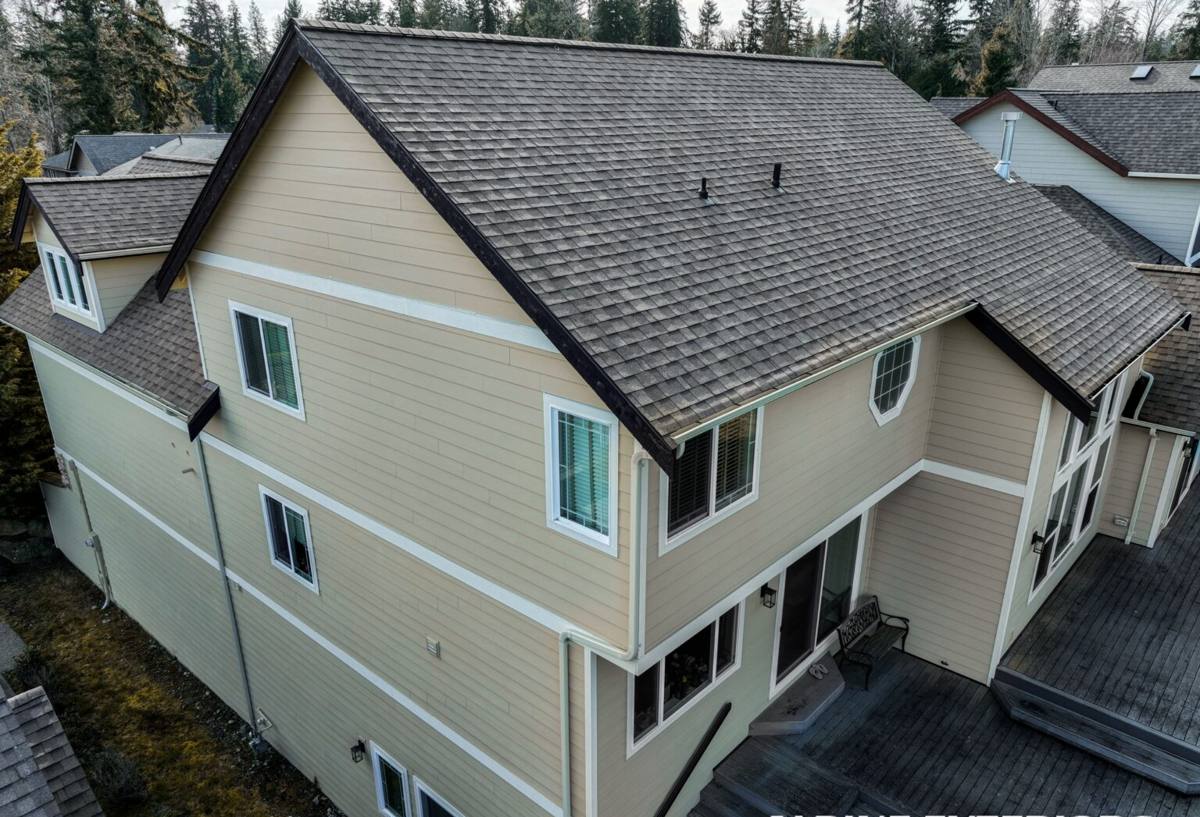
What Holmes Beach's Climate Does to a Deck
Manatee County's barrier islands take a harder environmental beating than most people realize until they've owned a property out here for a few years. Four forces do most of the damage: salt air, intense sun, wind-driven rain, and hurricane-force wind loads.
Salt Air and Corrosion
Being close to the Gulf and the bay means a steady drift of salt-laden air moving across every exposed surface. Salt accelerates corrosion in metal fasteners, hardware, and connectors far faster than it would even a few miles inland. Standard hot-dip galvanized screws and brackets that are fine in a landlocked yard can start rusting and staining a barrier island deck within a couple of years.
UV and Sun Exposure
Florida sun is intense everywhere, but open, low-tree-cover lots near the water get very little afternoon shade. UV breaks down the surface fibers in wood, fades color in composite and PVC boards, and dries out sealants and finishes faster than manufacturers' national warranty language usually assumes.
Wind-Driven Rain and Moisture
Storms here don't just drop rain straight down — wind pushes it sideways, up under railings, and into ledger boards and framing joints that a deck ten miles inland would rarely see soaked. That moisture cycling (wet, then baking dry in the sun) is what causes cupping, splitting, and fastener pop in boards that weren't rated or installed for it.
Hurricane Wind Loads
A deck attached to the house — and especially one elevated on posts or piers — has to resist real uplift and lateral load in a named storm, not just support foot traffic. Railings, guardrail posts, and the ledger connection to the house are the parts most likely to fail first if they were built to a minimum-code assumption rather than this area's actual wind exposure.
Decking Material Options for Coastal Homes
There's no single "best" decking material for every Holmes Beach home — it depends on budget, how close the lot is to open water, and how much upkeep the owner wants to take on. Here's how the common options actually perform in this environment.
| Material | Upfront Cost | Coastal Durability | Maintenance | Best For |
|---|---|---|---|---|
| Pressure-treated wood | Lowest | Fair — needs sealing and inspection | Annual cleaning, periodic re-sealing | Budget-conscious owners willing to maintain it |
| Tropical hardwoods (e.g. ipe-type species) | High | Very good if properly fastened and finished | Periodic oiling to hold color | Owners who want a natural look and will maintain finish |
| Composite decking | Mid-high | Good — resists rot but can fade/heat up in full sun | Low — occasional washing | Owners who want low upkeep and consistent appearance |
| PVC/capped polymer decking | High | Excellent moisture and salt resistance | Very low | Waterfront or full-sun lots with heavy exposure |
| Aluminum railing/framing components | Mid-high | Excellent — doesn't rot or rust like ferrous metal | Very low | Railings and structural components near open water |
The board material gets most of the attention, but on a coastal deck the fasteners and connectors matter just as much. We use stainless steel or coated fasteners rated for coastal exposure rather than standard hardware, because that's typically where a deck near saltwater starts to fail first — not in the boards themselves.
What a Correctly Built Coastal Deck Involves
A deck that's going to hold up on a Holmes Beach lot needs a few things done right that are easy to skip on a standard build:
Ledger Attachment and Flashing
Where the deck attaches to the house is the single most common failure point on any deck, coastal or not. Proper flashing keeps wind-driven rain from working its way behind the ledger board and into the house's wall framing — a problem that shows up as rot years later, often hidden behind siding.
Footings and Elevation
Many Holmes Beach homes sit on pilings or elevated foundations because of flood zone requirements. Deck footings need to be sized and set correctly for local soil and flood conditions, and the framing has to connect properly to an elevated structure rather than being an afterthought bolted onto whatever's convenient.
Fastener and Hardware Grade
As covered above, this is where corner-cutting shows up fastest. We spec hardware rated for coastal/marine-grade exposure, not the standard hot-dip galvanized hardware sold for general use.
Railing and Guardrail Strength
Railings need to meet code load requirements for lateral force, which matters more here given the wind exposure. This is also where aluminum or cable rail systems often make sense over standard wood balusters, since they hold up better to both wind load and salt air over time.
Permits, Flood Zones, and Elevated Construction
Building on a barrier island in Manatee County typically means dealing with flood zone requirements and, depending on the property's elevation and distance from the water, additional review tied to coastal construction standards. Elevated homes on pilings also change how a deck ties into the structure — the framing has to account for the height and the existing foundation type rather than assuming a standard slab-level build. We handle the permitting process as part of the job, but it's worth knowing going in that a Holmes Beach deck project usually has more permitting steps than the same project would inland, and that's normal for this location, not a red flag.
Our Process for Holmes Beach Deck Projects
Every custom deck project follows the same basic steps, whether it's a simple ground-level deck or a larger elevated structure tied into a piling home:
- Site visit and assessment — we look at the existing structure, elevation, sun/wind exposure, and any flood zone factors specific to the lot.
- Design and material selection — we walk through the material comparison above based on your budget and how much maintenance you want to take on.
- Permitting — we handle the permit application and any required inspections through the process.
- Framing and structural work — footings, ledger attachment, and framing built to hold up to this area's wind and moisture exposure, not just minimum code.
- Decking, railing, and finish work — installed with coastal-grade fasteners and hardware throughout.
- Final walkthrough — we go over the finished deck and basic care so you know what to expect from your specific material choice.
Maintenance Checklist for a Coastal Deck
Whatever material you choose, a little seasonal attention goes a long way on a barrier island property. We recommend homeowners keep an eye on the following:
- Rinse salt residue off decking and railings periodically, especially after storms with onshore wind
- Check fastener heads and connectors for early rust staining, particularly at the ledger and stair stringers
- Inspect underneath the deck (framing, joists, footings) at least once a year if access allows
- Re-seal or re-oil wood decking on the schedule the finish manufacturer recommends — coastal sun shortens the usual interval
- Clear debris from between boards to prevent moisture and organic buildup, especially on composite and PVC decking
- Have railings and guardrails checked for looseness after any major storm event
Why Hire a Crew That Already Works Holmes Beach
A lot of deck problems on barrier island homes trace back to a contractor applying general-market assumptions to a property that doesn't fit them — standard hardware, standard footing depths, standard framing details that weren't built for salt air and wind exposure. A crew that already works Holmes Beach and the surrounding Bradenton coastline knows what actually holds up out here versus what looks fine on day one and fails in year three. That local experience covers the permitting process for elevated and flood-zone properties, the fastener and material grades worth paying for, and the structural details that matter most given this area's wind exposure. It also means faster response if a storm damages a deck and it needs a timely repair rather than a long wait for someone unfamiliar with the area to work it into their schedule.
If you're planning a new deck or need to replace one that hasn't held up to the local conditions, we're happy to take a look and put together a straightforward, no-pressure estimate. Use the form below to get started.