 Bradenton
 Board & Batten Siding Built for Ellenton's Climate
Ellenton sits in the part of Manatee County that takes the full brunt of a Gulf Coast climate: hurricane-force wind events, intense year-round UV exposure, wind-driven rain that finds every gap in an exterior, and salt-laden air drifting in off the coast. That combination is hard on every siding style, but board and batten has its own particular vulnerabilities because of how it's built. The vertical panels and the raised battens that cover the seams create more edges, more fastener points, and more places for water to try to get behind the material than a standard horizontal lap profile does. Get the design and installation right and board and batten is one of the most durable, distinctive looks you can put on a home. Get it wrong and it becomes the first thing to fail in the next named storm.
We install board and batten siding for homeowners throughout Ellenton and the surrounding Bradenton area, and we do it with one material only: James Hardie fiber cement. Everything below explains why, and what actually goes into a board and batten job that's built to hold up here rather than just look good on installation day.
What Board & Batten Siding Actually Is
A Style, Not a Single Product
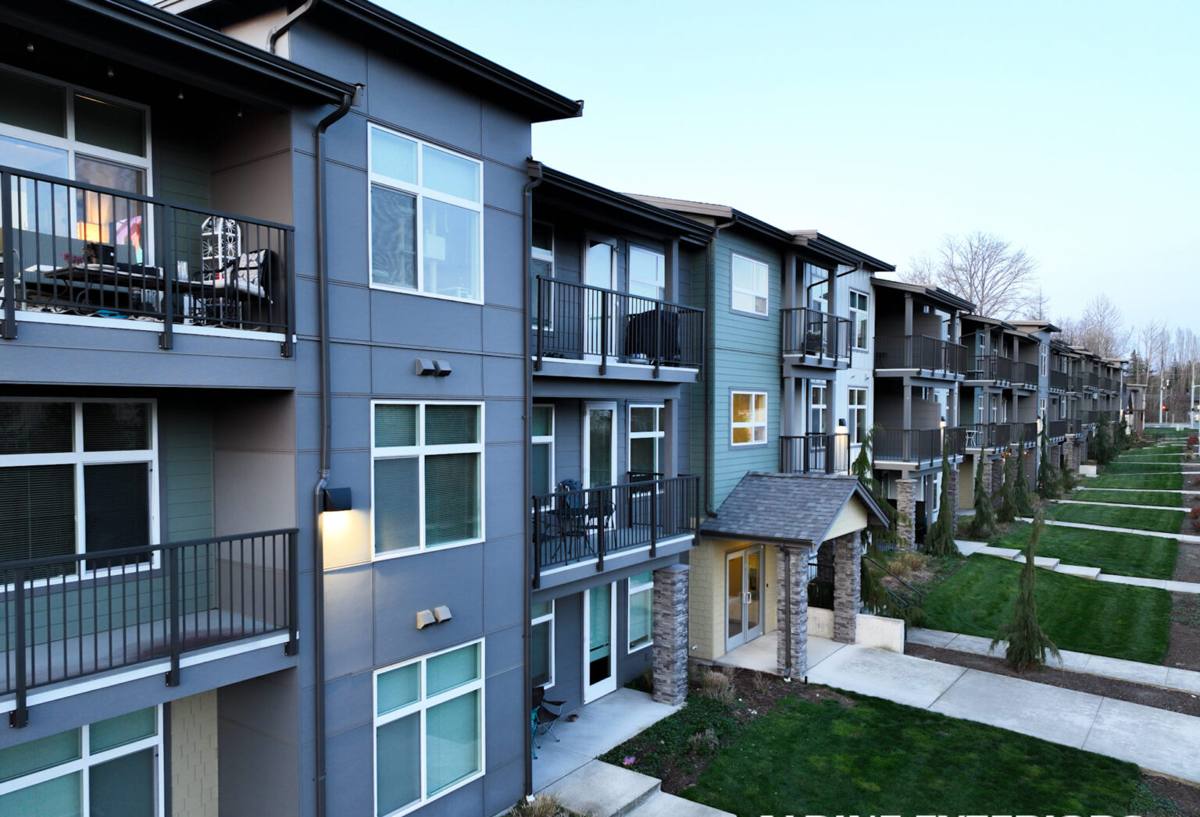
Board and batten isn't a single manufactured panel — it's a siding pattern. Wide vertical boards (or panels) are installed side by side, and narrower strips called battens are fastened over the seams where those boards meet. The result is a strong vertical line, deep shadow lines, and a farmhouse or coastal-cottage look that's become popular on Florida homes for full exteriors, gable ends, and accent walls facing the street.
Where Ellenton Homeowners Use It
We see board and batten requested a few different ways around Ellenton: as a full exterior on new builds and renovations, as an accent on a front-facing gable or entry feature, and as a way to visually break up a large flat wall on a single-story home. All three applications work well with James Hardie — the difference is mainly in scope, trim detailing, and cost, which we'll cover further down.
Why Manatee County's Climate Is Hard on Board & Batten Siding
Every siding style in this region has to survive the same conditions, but board and batten's construction makes a few of them more important than usual.
- Hurricane-force wind: vertical panels have more surface area exposed to uplift and sustained pressure per fastening run, so fastener spacing and panel attachment have to be done to spec, not "close enough."
- Wind-driven rain: horizontal siding sheds water down and out by design; board and batten relies more heavily on correct flashing, house wrap, and batten placement to keep water from tracking sideways and finding the seams.
- Year-round UV: Florida sun degrades paint and cheaper composite materials faster than almost anywhere else in the country, which shows up first on vertical surfaces that catch direct afternoon sun.
- Salt air: even well inland from the coast, salt-laden humidity accelerates corrosion on fasteners and trim hardware and speeds up moisture cycling in any material that isn't dimensionally stable.
None of that means board and batten is a bad choice for Ellenton. It means the material and the installation both have to be matched to the conditions, and that's where a lot of siding jobs — board and batten especially — go wrong.
Why We Only Install James Hardie for Board & Batten
Board and batten can be built out of vinyl, engineered wood, natural wood, or fiber cement. We only install James Hardie fiber cement for this style, and it's not because the other materials don't exist for good reasons in other climates — it's because of how each one specifically behaves in ours.
| Material | Wind & Storm Performance | UV / Fade Resistance | Moisture & Humidity Behavior | Salt Air Durability |
|---|---|---|---|---|
| Vinyl board & batten | Can deform, crack, or blow off in high wind; battens are often just cosmetic overlays | Fades and becomes brittle under sustained UV | Doesn't rot, but expands/contracts a lot with heat, which stresses seams | Holds up reasonably, but impact and wind damage are common failure points |
| Engineered wood board & batten | Solid when new, but any breach in the coating exposes wood-based core | Coating fades; needs repainting to protect the substrate | Vulnerable to swelling and edge failure if moisture gets behind it | Coating breakdown accelerates in salt-humid air |
| Natural wood board & batten | Structurally fine but fasteners and boards move with humidity | Requires regular refinishing or graying occurs | Prone to rot, cupping, and insect damage without disciplined maintenance | High maintenance burden in coastal humidity |
| James Hardie fiber cement | Engineered and tested for high-wind regions; holds fastener lines under load | ColorPlus factory finish is baked-on and warranted against fading/chipping | Non-combustible, dimensionally stable, resists moisture-driven warping | Doesn't rot, corrode, or feed pests; built for humid coastal climate zones |
James Hardie also builds its siding lines with regional climate engineering — the products used in Florida are formulated for the more humid, high-moisture climate zone rather than a one-size-fits-all mix. Combined with the ColorPlus factory finish and Hardie's transferable warranty, that's the difference between siding we're comfortable putting our name behind in a hurricane-prone county and siding we'd have to caveat.
What a Correctly Installed Board & Batten Job Involves
Substrate and Moisture Management
Everything starts underneath the visible siding. A proper water-resistive barrier, correctly lapped and taped, goes down first. Every penetration — window and door openings, hose bibs, light fixtures — gets flashed before a single board goes up. On a board and batten wall, this step matters more than usual because the vertical seams and raised battens create more edges where water can be pushed by wind-driven rain if the barrier underneath isn't continuous.
Batten Layout and Fastening
Batten spacing has to be planned before installation starts, not adjusted on the fly — even spacing is both a visual and structural requirement. Fasteners go where James Hardie's installation instructions specify, at the stud line, with the correct type and length for the substrate. In a wind zone like ours, fastener pattern isn't a cosmetic detail; it's what keeps the panel attached during a storm.
Finish and Sealant
Where boards, battens, and trim meet, the right sealant matters — a low-quality caulk that dries out and cracks under Florida UV becomes a moisture entry point within a couple of years. We finish joints and edges to the manufacturer's specification so the ColorPlus finish and the substrate underneath both stay protected long-term.
Our Process for Ellenton Projects
- On-site assessment: we look at your current exterior, existing substrate condition, and how much of the home you're looking to cover — full exterior, gable accent, or feature wall.
- Design and layout: we plan batten spacing, trim details, and color before ordering material, so what you approve is what goes on the wall.
- Tear-off and prep: old siding comes off, the substrate gets inspected for hidden moisture or rot damage, and any repairs happen before new material goes up.
- Weather barrier and flashing: house wrap and flashing go in around every opening and penetration first.
- Installation: James Hardie panels and battens go up to manufacturer fastening spec, with attention to the wind-load requirements for our area.
- Final inspection and walkthrough: we check seams, sealant, and fastener lines, then walk the finished job with you before we call it done.
What Board & Batten Siding Costs to Get Right
We don't publish fixed pricing because every home and scope is different, but the main cost drivers on a board and batten job are consistent from project to project:
| Cost Factor | Why It Matters |
|---|---|
| Coverage area (accent vs. full exterior) | A single gable or feature wall costs far less than re-siding the whole home |
| Substrate condition | Rot or water damage found during tear-off adds repair work before new siding can go on |
| Trim and batten complexity | Tighter batten spacing and more architectural trim details take more material and labor |
| Existing siding removal | Tear-off and disposal of old material adds time compared to building over a bare or new wall |
| Color and finish selection | Factory ColorPlus finishes vs. field-painted trim affect both cost and long-term maintenance |
Maintaining Board & Batten Siding in Ellenton
James Hardie fiber cement is low-maintenance compared to wood or engineered wood alternatives, but "low-maintenance" isn't "no-maintenance," especially in a coastal-humid climate. A short annual check keeps small issues from becoming siding failures:
- Rinse siding periodically to remove salt residue and general grime buildup
- Inspect caulking around battens, trim, and openings for cracking or gaps once a year
- Look for any panel edges that seem loose or fasteners that have backed out, especially after storm season
- Keep irrigation heads and sprinklers from directly hitting the base of the siding long-term
- Trim back landscaping that holds moisture against the wall
- Address any moisture staining or soft spots promptly rather than waiting for the next inspection cycle
Why Hire a Crew That Already Works in Ellenton
Board and batten is less forgiving of installation shortcuts than standard lap siding, and it's the kind of job where local experience shows. A crew that regularly works in Manatee County knows the wind-load and code expectations that apply to exterior work in this area, has already worked through the flashing and moisture-barrier details that matter most in a wind-driven-rain climate, and understands how James Hardie's fastening and batten-spacing requirements need to be applied to hold up here — not just how they'd be applied in a milder climate. That familiarity shows up in the details that aren't visible on day one but matter five and ten years down the road.
If you're considering board and batten siding for your Ellenton home, we're happy to walk the property, talk through where it makes sense on your home, and give you a straightforward, no-pressure estimate. Use the form below to get started.