 Bradenton
 Deck Replacement for Mill Creek Homes
Mill Creek is a quieter, established part of the Bradenton area, and a lot of the decks out here are original to the home or were built more than a decade ago. If yours is starting to feel soft underfoot, or you've noticed boards cupping, fasteners bleeding rust, or the whole structure just doesn't feel as solid as it used to, you're not imagining it. A deck in Manatee County ages differently than one in a drier, milder climate, and by the time the problems are visible on the surface, the framing underneath has usually been dealing with moisture and movement for a while.
This page is specifically about full deck replacement for Mill Creek properties — not a generic overview of decking. We work in this neighborhood regularly, so we know the kind of lot drainage, tree cover, and sun exposure that shapes how a deck holds up here, and we build with that in mind rather than treating every job the same.
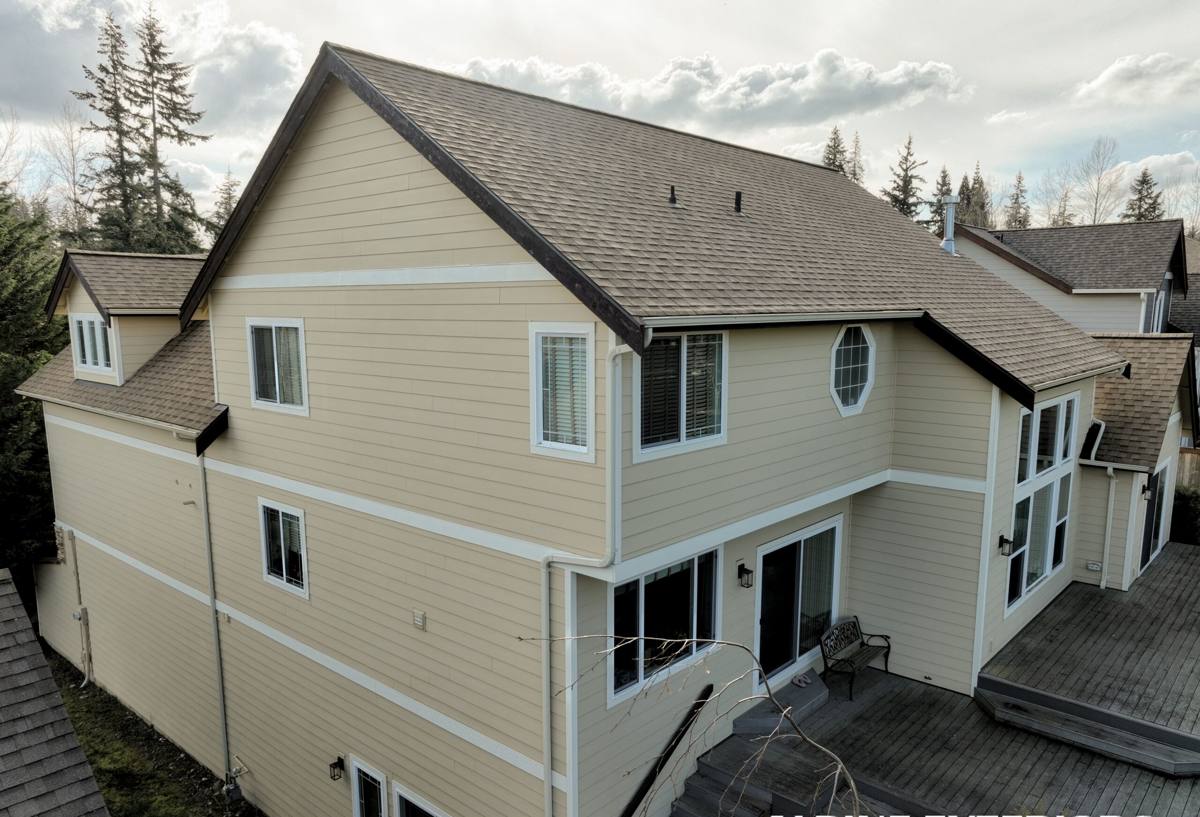
Why Bradenton's Climate Is Hard on Decks
Manatee County sits in a tough spot for outdoor structures. It's not any single factor that wears a deck down — it's the combination, year after year.
Heat and UV
Florida sun is intense almost year-round. UV breaks down the lignin in wood fibers, which is why untreated or under-maintained wood decking turns gray and brittle. It also dries out the plasticizers in some composite and PVC products over time, which is why product selection and finish quality matter more here than in northern climates.
Wind-Driven Rain and Humidity
Afternoon storms don't just wet the surface of a deck — wind-driven rain gets up under boards, into end grain, and around fasteners and flashing. Combined with the region's humidity, that moisture doesn't evaporate quickly, which is exactly the environment that causes rot, fastener corrosion, and ledger board failure if the original installation wasn't detailed correctly.
Salt Air
Even inland from the coast, Bradenton's air carries salt content that accelerates corrosion on any metal component — hardware, joist hangers, screws, and bolts. A deck built with standard-grade fasteners instead of galvanized or stainless hardware will show corrosion issues years before the decking itself is worn out.
Hurricane-Force Wind
Manatee County is squarely in Florida's wind-load design territory. A deck attached to your home has to handle uplift and lateral loads during storm season, not just support weight. Ledger board attachment, post connections, and railing anchoring all need to meet current wind-load requirements — this is one of the most common places we find older Mill Creek decks falling short.
Signs a Mill Creek Deck Needs Replacement, Not Repair
Not every deck problem means starting over. But there's a point where patching becomes a waste of money because the underlying structure is compromised. Here's what tells us a deck is past the point of repair:
- Soft, spongy, or bouncy spots in the decking or framing when you walk across it
- Visible rot or soft wood at the ledger board (where the deck attaches to the house)
- Support posts that have shifted, cracked, or show rot near the base or in-ground contact points
- Rust streaking from multiple fasteners, or hardware that's visibly corroded and pitted
- Railings that flex or wiggle under normal pressure — a safety issue, not just cosmetic
- Structure that predates current Florida wind-load and attachment code requirements
- Repeated past repairs to the same boards or framing members in the same area
If it's mostly surface wear — graying wood, a few loose boards, minor fastener pops — that's often a repair or refinishing job. If it's structural, patching it just delays the real cost and adds risk in the meantime.
Decking Material Options for This Climate
There's no single "best" decking material for every homeowner — it depends on budget, maintenance tolerance, and how long you want the deck to last before major work again. Here's how the common options actually perform in Manatee County conditions:
| Material | How It Handles Local Climate | Maintenance |
|---|---|---|
| Pressure-treated wood | Affordable and strong, but needs consistent sealing to resist UV graying, cupping, and moisture-driven rot | Annual cleaning and resealing recommended |
| Composite decking | Resists rot and doesn't need staining; quality varies a lot by brand and product line in UV and heat performance | Periodic cleaning; no sealing required |
| PVC/capped decking | Strong moisture resistance and generally the best UV stability of common decking types; higher upfront cost | Low — mainly routine cleaning |
| Tropical hardwoods | Naturally dense and rot-resistant, but installation sensitivity is high and cost is significant | Periodic oiling to maintain appearance |
Whatever decking surface you choose, we treat the framing underneath as the more important decision. A premium composite board on an undersized or poorly fastened frame is still a short-lived deck.
What a Correct Deck Replacement Actually Involves
Framing and Structure
This is where most deck failures actually start. Joist spacing, beam sizing, and post footings need to be sized for the actual load and span — not just matched to whatever was there before. If the old deck was undersized to begin with, we don't just replicate the mistake.
Ledger Board Attachment and Flashing
The ledger board — where the deck ties into the house — is the single most common point of failure we see on older decks in this area. Proper flashing keeps wind-driven rain from working its way behind the board and into the house rim joist. This detail alone is responsible for a large share of the rot and structural failures we find during replacements.
Hardware and Fasteners
Given the salt air and humidity here, we use corrosion-resistant hardware — hot-dip galvanized or stainless steel connectors, hangers, and fasteners rated for treated lumber contact. Standard hardware is a false economy in this climate; it corrodes years before the rest of the structure wears out.
Permits and Wind-Load Compliance
Deck replacement in Manatee County requires a permit, and inspections check that the structure meets current Florida Building Code wind-load and attachment standards. This isn't paperwork for its own sake — it's the difference between a deck that stays put in a tropical storm and one that doesn't.
Our Deck Replacement Process
1. On-Site Assessment
We look at the existing structure from the ground up — framing condition, ledger attachment, post footings, and any moisture or rot damage that isn't visible from the surface. We'll tell you honestly if repair is a viable option before recommending full replacement.
2. Design and Material Selection
We walk through decking material, railing style, and layout options based on your budget and how you actually use the space, with straight talk about maintenance expectations for each choice.
3. Permitting
We handle the permit process with Manatee County so the new structure is built and inspected to current code, including wind-load and attachment requirements.
4. Demolition and Disposal
Full removal of the old deck, including any compromised ledger board or framing, with the site cleared and hauled off.
5. Build and Inspection
Framing, ledger flashing, decking, and railings are installed to code, with attention to the corrosion and moisture details that matter most in this climate. The work is completed to pass required inspections.
What Affects the Cost
Every deck is different, so exact pricing depends on a site visit, but these are the main factors that move the number:
| Factor | Why It Matters |
|---|---|
| Deck size and shape | Square footage and complexity of the layout (multiple levels, angles, built-in features) drive material and labor |
| Decking material | Pressure-treated wood, composite, and PVC span a wide cost range per square foot |
| Framing condition | Full replacement of posts, beams, and footings costs more than reusing sound existing structure |
| Height and access | Elevated decks and difficult site access add labor and structural requirements |
| Railings and stairs | Style and material of railings and any stairs are priced separately from the deck surface |
| Permitting | Permit and inspection fees are part of doing the work to code, not optional add-ons |
We give straightforward, itemized estimates so you can see where the money is going and make informed choices about where to spend more or save.
Why a Crew That Already Works Mill Creek Matters
A deck built for this part of Florida needs to account for the actual conditions it will face — not a generic spec sheet. Working regularly in and around Bradenton means we've seen how local lot drainage, tree canopy, and sun exposure affect deck longevity, and we know what the county's permitting and inspection process expects before we ever start. That familiarity shows up in fewer surprises during the permit process, fewer callbacks for corrosion or flashing issues down the road, and a crew that shows up knowing the area rather than learning it on your job.
It also means accountability. A local crew has a reputation in the community to maintain, not just a single job to finish and move on from.
Get a Free Estimate
If your deck in Mill Creek is showing signs of structural wear, or you just want an honest opinion on whether repair or replacement makes more sense, we're happy to take a look. Fill out the form below for a free, no-pressure estimate — we'll walk the site, answer your questions, and give you a straight assessment either way.