 Bradenton
 Windows Built for Life on the Water in Cortez
Cortez sits about as close to the elements as a Manatee County neighborhood gets. As one of the last working fishing villages on Florida's Gulf Coast, homes here take a beating that inland Bradenton properties simply don't see in the same way. Salt air moves through the community constantly, humidity stays high year-round, and when a storm comes through, wind-driven rain and gusts off the open water hit these houses first and hardest. Windows are one of the biggest weak points in that equation — and one of the easiest to get wrong if the installer isn't thinking about what this specific location does to a building.
This page is about window installation, specifically for Cortez homes. Not a general overview of what windows can do for any house in Florida — what a correct installation actually requires when the house is a few blocks from saltwater, exposed to Gulf humidity every day, and rated for hurricane wind loads under Manatee County code.
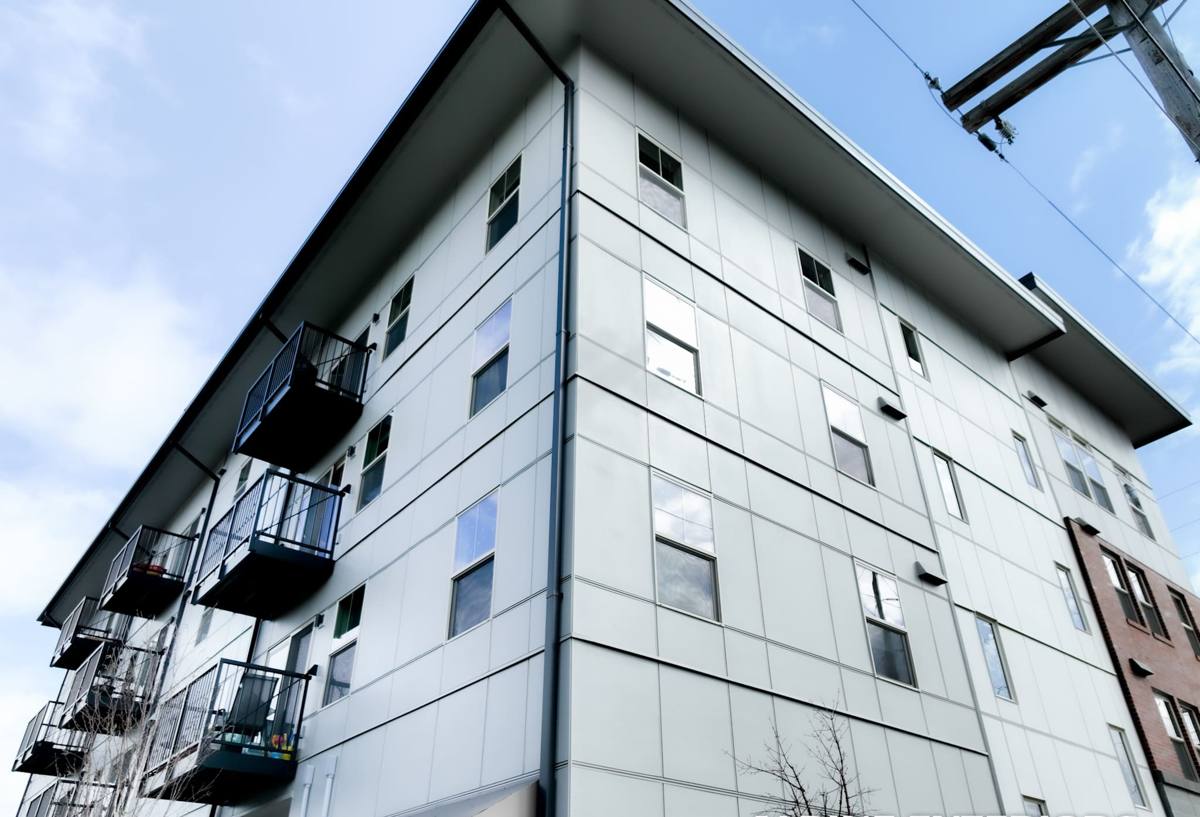
What Cortez's Climate Actually Does to Windows
It helps to be specific about the forces at work, because they shape every decision in the installation process:
- Hurricane and tropical-storm wind loads — Manatee County is in a high-velocity hurricane zone, and Cortez's waterfront exposure means wind speeds and pressure differentials can run higher here than a few miles inland.
- Salt air corrosion — airborne salt attacks unprotected metal fasteners, hardware, and lesser window frames faster than almost anything else in residential construction.
- Wind-driven rain — during storms, rain doesn't just fall on a window, it's driven sideways into it under pressure. A window that's watertight in a normal rainstorm can still leak under those conditions if it wasn't installed correctly.
- Constant UV exposure — year-round Florida sun degrades vinyl, seals, and low-quality glazing compounds over time, leading to yellowing, brittleness, and seal failure well before a window's expected lifespan is up.
- High humidity — poor flashing or sealing doesn't just let bulk water in, it invites slow moisture intrusion that shows up later as rot, mold, or a soft spot in the wall framing around the window.
None of these are unique to Cortez, but the combination — and the intensity of the water exposure — is more concentrated here than in most of Bradenton proper.
What a Correct Window Installation Actually Involves
A window installation isn't just "remove old window, set new window, caulk the edges." Done right, it's a sequence of steps where each one protects the wall assembly behind it. Skipping or rushing any one of these is where leaks and failures start.
Removal and Opening Prep
The old window comes out carefully to avoid damaging the surrounding stucco, siding, or framing. Once it's out, we inspect the rough opening for rot, water staining, or deteriorated framing — issues that are common in older Cortez homes that have taken decades of coastal moisture. Any compromised wood or sheathing gets addressed before a new window ever goes in. Installing a new window into a damaged opening just hides the problem instead of fixing it.
Flashing and Water Management
This is the step that matters most for wind-driven rain. Proper flashing — installed in the correct order, overlapping like shingles so water is always directed outward and down — is what keeps rain out of the wall cavity during a storm. In a location like Cortez, we treat this step as non-negotiable, not an optional upgrade.
Fastening and Structural Attachment
Impact and hurricane-rated windows are only as strong as their attachment to the structure. Fasteners have to be the correct type, length, and spacing to meet the wind-load rating the window is engineered for, and they need to bite into sound framing — which is another reason the opening inspection in step one matters.
Sealing and Finish Work
Interior and exterior sealant, backer rod where needed, and finish trim close out the job. This is also where corrosion-resistant hardware and fasteners matter — in a salt-air environment, standard hardware can start showing rust within a couple of years, while marine-grade or coated fasteners hold up far longer.
Choosing the Right Window for a Cortez Home
Not every window sold in Florida is built for a waterfront property. The right choice depends on your budget, your home's construction, and how much wind protection you want built into the glass itself versus added separately.
| Option | Wind Protection | Maintenance | Typical Trade-Off |
|---|---|---|---|
| Impact-rated windows (laminated glass) | Glass itself is rated to resist wind-borne debris | Low — no separate shutters to store or deploy | Higher upfront cost, but no storm-prep labor and often lower insurance premiums |
| Non-impact windows + accordion or panel shutters | Protection only when shutters are deployed | Moderate — shutters need to be closed before every storm and maintained separately | Lower window cost, but relies on someone being home and able to deploy shutters in time |
| Aluminum frames | Strong, rigid, holds up well structurally | Needs corrosion-resistant coatings near saltwater | Good strength-to-cost ratio; frame finish matters more this close to the water |
| Vinyl frames | Adequate when properly reinforced | Can degrade faster under constant UV and salt exposure | Lower cost, but we're selective about vinyl specs on direct waterfront exposure |
We don't push one frame material as universally "best." What we do is match the window to the exposure. A house facing open water with nothing to break the wind gets a different recommendation than one set back and shielded by other structures. We'll walk your home's specific exposure with you before recommending anything.
A Note on Glass
Impact-rated windows use laminated glass — two panes bonded around an inner layer that holds the glass together if it's struck and cracked, rather than the whole pane failing. That's different from simple tempered glass, which is stronger than standard glass but will still shatter into fragments on impact rather than holding together. For hurricane protection, laminated glass is the standard we build to; tempered glass alone doesn't meet the same wind-borne-debris requirements.
Our Installation Process
Here's what to expect when you work with us for a window project in Cortez:
- On-site assessment of your current windows, framing condition, and the home's specific wind exposure.
- A written proposal covering window specs, wind-load rating, glass type, frame material, and total cost — no vague allowances.
- Permit pulled through Manatee County before any work starts, when required by the scope of the job.
- Careful removal, opening inspection and repair as needed, correct flashing, fastening to code, and finish sealing.
- Final walkthrough and inspection sign-off, so you have documentation the work meets code — which matters for insurance and resale.
Before we leave a job, we check these items on every installation:
- Window operates smoothly and locks securely on every unit
- Flashing is correctly lapped and sealed at all four sides
- No gaps in exterior sealant or trim
- Fasteners are corrosion-resistant and properly torqued
- Interior sill and jamb are clean, sealed, and finished
- Permit and inspection paperwork is complete and provided to the homeowner
Permits and Wind Load Requirements
Window replacement in Manatee County generally requires a permit, and the window itself has to carry a wind-load rating (documented through its Notice of Acceptance or Florida Product Approval) appropriate for your home's location and exposure category. For a waterfront community like Cortez, that rating tends to run on the higher end of what's typical for Bradenton. We handle the permit process and make sure the products we install carry the correct approvals for your address — that paperwork also matters later if you ever file an insurance claim or sell the home.
What We See in Older Cortez Homes
Cortez has a lot of older housing stock, and older windows here tend to show a consistent set of problems: original single-pane glass with no impact resistance, wood frames softened by decades of humidity, hardware corroded from salt air, and gaps around the frame where old caulk and flashing have failed. None of that is unusual for a coastal fishing village — it's just what happens over time in this environment. It does mean that when we open up an older window opening here, we're often finding and fixing framing issues that go beyond the window itself, which is part of why a proper opening inspection (not just a fast swap) matters so much on these homes.
Why Local Experience in Cortez Matters
A crew that mainly works inland Bradenton or Sarasota subdivisions doesn't always think about salt-air hardware, wind exposure that changes block by block near the water, or the realities of older coastal construction. Working in Cortez regularly means we already know what fastener specs hold up here, what flashing details actually keep wind-driven rain out on an exposed lot, and what Manatee County inspectors are looking for on waterfront properties. That experience shows up in fewer callbacks and windows that are still performing correctly five, ten, and twenty years later — not just on installation day.
Maintenance After Installation
Even a correctly installed window needs occasional attention in this climate. We recommend rinsing frames and hardware periodically to clear off salt residue, checking exterior sealant once a year for cracking or separation, and making sure weep holes (the small drainage channels at the bottom of the frame) stay clear of debris so water can drain out as designed. None of this is heavy maintenance — it's a few minutes a couple of times a year — but skipping it is how a good installation starts to look like a bad one after a few seasons near the water.
If you're weighing window options for a home in Cortez, we're happy to take a look and give you a straight answer on what your house actually needs — no pressure, no inflated scope. Fill out the form below for a free estimate.