 Bradenton
 Deck Repair in Cortez: Built for a Working Waterfront
Cortez sits on the water, and that changes what a deck has to survive. This isn't a subdivision deck shaded by other houses and set back from any real weather exposure. Cortez homes catch salt spray off the bay, direct Gulf-side sun for most of the year, and the full force of wind-driven rain whenever a storm system moves through Manatee County. A deck built or repaired without that in mind will fail faster here than it would ten miles inland, and it usually fails in ways that aren't obvious until you know where to look.
We repair decks in Cortez regularly, which means we're not guessing at what the salt air and humidity do to fasteners, framing, and decking over time — we've already seen it on the deck two doors down. This page covers what actually goes wrong with decks in this area, what a correct repair looks like, and how we approach the work.
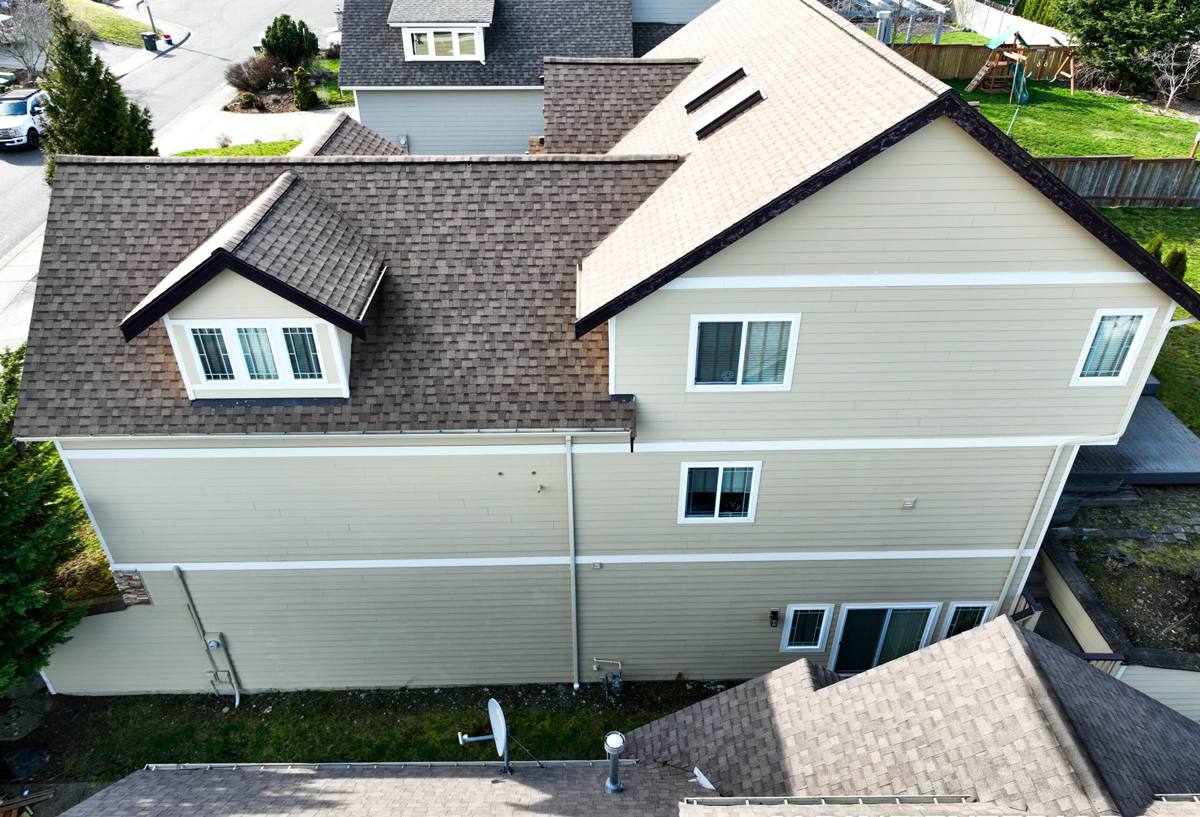
What Waterfront Exposure Actually Does to a Deck
Salt Air and Humidity
Salt in the air accelerates corrosion on anything metal — nails, screws, joist hangers, bolts, railing brackets. Once a fastener starts rusting, it loses grip in the wood around it, and that's how you end up with a board that looks fine but flexes or lifts when you step on it. Humidity adds to the problem by keeping wood fibers damp longer after every rain, which speeds up rot in framing that isn't ventilated well underneath.
Year-Round UV
Florida sun breaks down the surface of wood and the plastic components in composite decking over time, drying out natural oils in wood and fading or chalking synthetic boards. UV damage alone rarely takes a deck down, but it opens the surface up to moisture intrusion, which is where the real structural damage starts.
Wind-Driven Rain and Storm Loads
Hurricane-force wind doesn't just threaten a deck during the storm itself — it drives rain sideways into joints, ledger connections, and railing posts that were never designed to get wet from that angle. Repeated storm seasons find every weak connection point on a deck, one at a time, which is why older repairs sometimes fail years after they were made.
Signs a Cortez Deck Needs Repair
Most deck problems don't announce themselves with a collapse. They show up as small, specific symptoms first. If you notice any of the following, it's worth having it looked at before the next storm season:
- Boards that feel soft, springy, or spongy underfoot, especially near the house or stair landing
- Rust streaks or dark staining running down from screw heads or bolts
- A railing that wiggles or has more give than it used to
- Visible gaps where the deck meets the house (ledger board separation)
- Nails or screw heads that have popped up above the board surface
- Stair stringers that flex or make noise when you walk down
- Green or black staining on the underside framing, which usually means standing moisture
- Boards that have cupped, warped, or split along the grain
Any one of these can be a minor fix. Several at once, especially combined with soft framing underneath, usually means the repair needs to go deeper than the surface boards.
Repair Material Comparison
When we repair a deck, part of the job is deciding whether to match the existing material or recommend something that will hold up better in a waterfront setting. Here's how the common options compare for repair work specifically — not new builds, but patching into an existing deck.
| Material | Salt Air Performance | Maintenance Needed | Repair Considerations |
|---|---|---|---|
| Pressure-treated pine | Fair — needs sealing and upkeep | Re-seal every 1-2 years near the water | Easy to match and blend into existing decking; lowest material cost |
| Composite decking | Good — resists rot, doesn't absorb salt | Occasional cleaning, no sealing | Higher upfront cost; color/profile must be matched or a full section replaced |
| Hardwood (ipe, similar) | Very good if maintained | Oiling required to prevent graying/drying | Dense and durable but unforgiving of skipped maintenance |
| Structural framing (any material) | Depends entirely on fastener choice | Inspect fasteners and connections yearly | Stainless or coated fasteners matter more here than the decking material itself |
The honest answer for most repair jobs: the framing and fasteners underneath matter more to long-term durability than whether the top boards are wood or composite. We'll tell you straight if a section is fine to patch versus where it makes more sense to replace, rather than pushing a full deck replacement when a targeted repair will do the job.
What a Correct Deck Repair Involves
Starting Below the Surface
A repair that only replaces the boards you can see is a temporary fix if the framing underneath is compromised. We check the ledger board connection to the house, joists, beams, and posts for rot, corrosion, and loose or failed connections before touching the decking itself. This is the part of the job that determines whether a deck is actually safe, not just cosmetically fine.
Fasteners and Hardware
In a salt-air environment, the hardware holding a deck together needs to be stainless steel or a coating rated for corrosive exposure. Standard galvanized fasteners that would be fine inland tend to corrode faster here, which is one of the most common root causes we find when a deck that "was just repaired" starts failing again within a couple of years.
Drainage and Ventilation
Wherever water pools or airflow underneath the deck is blocked, wood stays wet longer and rot accelerates. Part of a proper repair is correcting drainage paths and clearing obstructed ventilation, not just replacing the damaged wood and leaving the same conditions in place to cause the same problem again.
Railings and Stairs
Railings and stair stringers take direct wind load and constant hand contact, and they're often the first thing to loosen. We check post connections down into the framing, not just whether the railing itself feels sturdy at the top.
Our Repair Process
- Inspection — We walk the full deck, check framing from underneath where accessible, and test boards, railings, and connections by hand, not just by eye.
- Honest assessment — We tell you what's actually wrong, what's cosmetic versus structural, and what the realistic repair options are, including if a full section replacement makes more sense than patching.
- Scope and estimate — You get a clear breakdown of what's being repaired and why, so there are no surprises once the work starts.
- Repair work — Framing and structural issues are corrected first, then decking, railings, and finish work.
- Final check — We walk the deck with you before calling the job done, so you can see and feel that it's solid.
Permits and Local Requirements
Manatee County requires permits for deck work that involves structural repairs, not typically for simple board replacement on an existing, code-compliant structure. Waterfront and flood-zone properties in areas like Cortez can have additional considerations depending on setback and elevation requirements. We handle the permit process when a repair requires one, so you're not left figuring out county requirements on your own.
Why Local Experience in Cortez Matters
Cortez is a tight-knit, working waterfront community, and that comes with practical realities that a crew unfamiliar with the area won't anticipate — narrow access to some properties, docks and seawalls adjacent to deck structures, and homes where the deck is as much a part of daily waterfront life as the yard is anywhere else. A crew that already works in Cortez knows what salt-air corrosion looks like at six months versus three years, knows which framing details tend to fail first in this specific exposure, and shows up already understanding the site conditions instead of learning them on your dime.
That local pattern recognition is the difference between a repair that's guessing at the cause and one that's addressing it. It also means less time spent explaining the property to us and more time spent actually fixing the deck.
After the Repair: Keeping It Solid
A repaired deck in Cortez will still face the same salt air, UV, and storm exposure that caused the original damage, so a little maintenance goes a long way toward not repeating the repair in a few years:
- Rinse salt residue off the deck surface periodically, especially after windy, dry stretches
- Re-seal wood decking on a regular schedule rather than waiting until it looks weathered
- Check railing posts and stair connections for movement once or twice a year
- Keep gutters and drainage clear so runoff isn't pooling against the deck structure
- Address small issues — a loose board, a rust streak — before the next storm season, not after
If your Cortez deck has soft spots, rust staining, loose railings, or you just want an honest read on its condition before hurricane season peaks, we're glad to take a look. Fill out the form below for a free, no-pressure estimate — we'll tell you exactly what we find and what it would take to fix it right.