 Bradenton
 Roofing on a Barrier Island Is a Different Job
Bradenton Beach sits out on the Gulf side of Anna Maria Island, and that location changes what a roof has to withstand compared to a home a few miles inland in Manatee County. Wind hits harder and more often out here because there's nothing to slow it down before it reaches your shingles or tile. Rain doesn't just fall straight down — it comes in sideways during tropical storms and finds every seam, nail hole, and lifted edge. And the salt air that makes this a great place to live also corrodes fasteners, flashing, and vent boots faster than it would a few miles east.
None of that means your roof is doomed. It means storm damage repair here has to account for conditions that a generic repair crew from off the island may not think twice about. We work Bradenton Beach roofs regularly, and this page walks through what storm damage actually looks like out here, what a correct repair involves, and how we handle the job from first call to final inspection.
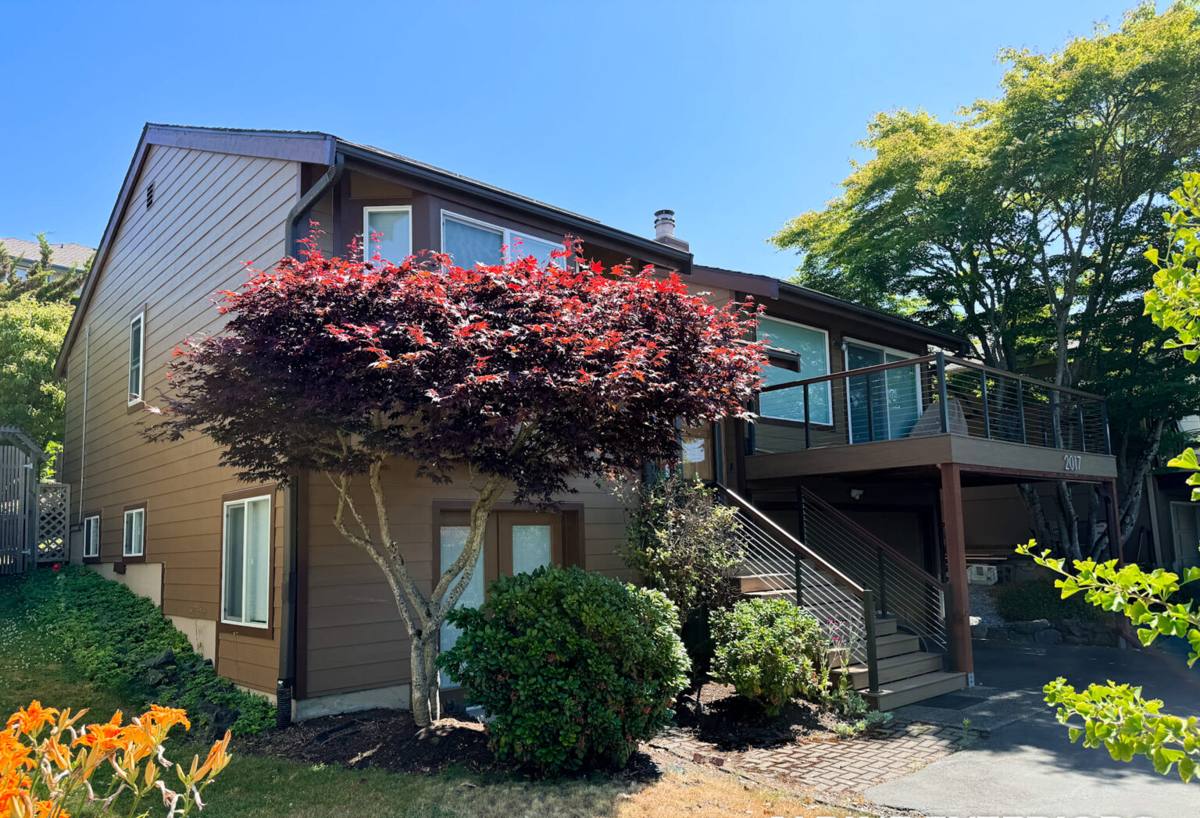
What Storm Damage Looks Like on a Bradenton Beach Roof
Some damage is obvious the morning after a storm. Some isn't — and the damage you can't see from the ground is often the kind that turns into an interior leak weeks or months later. A proper inspection checks for both.
Signs you can often spot yourself
- Shingles that are cracked, curled at the edges, or missing outright
- Granules collecting in gutters or at the base of downspouts
- Flashing around chimneys, skylights, or roof-to-wall joints that's bent, lifted, or pulled away
- Soft spots or sagging when you look along the roofline from the ground or driveway
- Water stains on ceilings or exterior soffits after heavy rain
- Debris punctures — palm fronds, tree limbs, or wind-blown material driven into the roof surface
Damage that usually needs a trained eye
Wind can lift a shingle just enough to break its seal without tearing it off, which looks fine from the street but leaves an open path for wind-driven rain during the next storm. Fastener corrosion from years of salt exposure can loosen shingles or metal panels gradually, with no single storm to blame. And underlayment that's been compromised won't show itself until water actually makes it through to the decking. This is why we recommend a roof inspection after any named storm or sustained high-wind event, even if nothing looks obviously wrong.
What a Correct Storm Damage Repair Actually Involves
A lot of storm repairs done quickly and cheaply amount to sealing over the visible problem without addressing what let water in to begin with. That approach tends to fail again in the next storm. A correct repair looks at the whole assembly, not just the top layer.
The layers we check, in order
- Roof covering — the shingles, tile, or metal panels themselves, checked for wind-lifted seals, cracked material, and missing pieces
- Flashing — the metal at every roof penetration and transition, since this is where the majority of storm leaks actually originate
- Underlayment — the water-resistant barrier beneath the roof covering, which does the real work if the top layer is compromised
- Decking — the wood sheathing underneath everything, checked for soft spots, delamination, or rot where moisture has been getting through
- Fasteners and attachment — nail patterns and corrosion condition, especially important on a coastal roof that's been through repeated salt exposure
Skipping any one of these steps is how a "fixed" roof leaks again in the next storm. We document what we find at each layer before closing anything back up, so you know exactly what was repaired and why.
Our Storm Damage Repair Process
Here's how a typical storm repair moves from first call to finished job:
1. Prompt inspection
We get eyes on the roof as soon as reasonably possible after a storm. If there's an active leak or exposed decking, temporary protection comes first.
2. Emergency mitigation, if needed
Tarping exposed areas and securing loose material to prevent further water intrusion while permanent repairs are scheduled. This step matters most in the days right after a storm, when materials and crews across the region are stretched thin.
3. Full assessment and documentation
We inspect every layer described above, take photos, and put together a clear written scope — what's damaged, what needs replacing, and what's still sound.
4. Straightforward estimate
You get a written estimate that separates true storm-related repair from anything unrelated we may have noticed (old age, prior workmanship issues, etc.), so you understand exactly what you're paying for and why.
5. The repair itself
Matching materials where possible, correcting the underlying cause (not just the surface symptom), and re-securing everything to current wind and fastening standards — not just replacing like-for-like if the original installation was part of the problem.
6. Final check
We walk the completed repair with you or provide photo documentation if you're not able to be on-site, and confirm the area is sealed and secure before we consider the job done.
Repair or Replace? How We Make That Call
Not every storm-damaged roof needs to come off. But an honest contractor tells you when a repair is a real fix versus when it's just delaying an inevitable full replacement. A few factors we weigh:
| Factor | Leans toward repair | Leans toward replacement |
|---|---|---|
| Extent of damage | Isolated to one section or slope | Widespread across multiple slopes |
| Roof age | Well within expected service life | Already near or past it |
| Decking condition | Sound, dry, no rot | Soft, delaminated, or repeatedly wet |
| Prior repair history | First significant issue | Pattern of recurring leaks or patches |
| Material availability | Matching shingle/tile still obtainable | Discontinued, creating a visible patchwork |
We'll tell you plainly which side of that line your roof falls on, and why — including when replacement, while a bigger expense up front, is genuinely the more cost-effective path over the roof's remaining life.
Materials and Methods Suited to Coastal Exposure
Salt air and near-constant UV exposure mean the materials and fasteners we use for a Bradenton Beach repair aren't necessarily the same as what we'd spec inland. A few things we pay close attention to:
- Fastener material — corrosion-resistant fasteners hold up far longer than standard-grade options in a salt-air environment
- Flashing metal — chosen for how it weathers under repeated moisture and salt exposure, not just upfront cost
- Underlayment grade — synthetic underlayments generally offer better tear and moisture resistance than older felt products, which matters when wind-driven rain gets past the surface layer
- Sealants — UV-stable products chosen for longevity, since Florida sun degrades lower-grade sealants faster than most homeowners expect
We don't upsell premium materials where they aren't needed, but on a barrier island roof we also don't cut corners that will just mean redoing the work in a few years.
Working With Your Insurance Company
Most storm damage repairs in this area involve an insurance claim, and the process goes more smoothly when the paperwork and the physical evidence line up. A few things we do to help:
- Photo-document damage before any repair work begins
- Provide a written scope of work that clearly separates storm damage from pre-existing conditions
- Meet with your adjuster on-site if that's useful to your claim
- Give you a straight answer if we think a claim is unlikely to be approved, rather than encouraging you to file one that won't hold up
We work for you, not the insurance company — our job is an honest assessment and a solid repair, and we'll give you documentation that supports whatever claim process you go through.
Why Local Experience on Bradenton Beach Roofs Matters
A barrier island community has its own logistics: limited road access on and off the island during and immediately after a storm, older homes with roof framing and elevations that don't match typical mainland construction, and local permitting through the appropriate building department for the work being done. A crew that already works this area shows up knowing the access points, the older roof structures common on the island, and what the permitting process actually requires — rather than learning it for the first time on your job.
There's also a simple availability factor. In the days after a significant storm, contractors from outside the area are often tied up elsewhere or simply can't get onto the island efficiently. A crew already working Manatee County's coastal communities is in a better position to respond quickly when it matters most.
Protecting the Repair Going Forward
A storm repair is only as good as the roof around it. A few habits that extend the life of both the repair and the rest of the roof:
- Have the roof inspected before hurricane season each year, not just after storms
- Clear debris and check gutters regularly — clogged drainage backs water up under shingle edges
- Trim back tree limbs that overhang the roof, since falling debris is one of the most common causes of storm damage here
- Address small issues (a lifted shingle, a cracked pipe boot) promptly rather than waiting for the next storm to make them worse
If you're dealing with storm damage on a Bradenton Beach roof, or just want an honest inspection after a rough season, we're happy to take a look. Fill out the form below for a free, no-pressure estimate — we'll tell you exactly what we find and what it would take to fix it right.