 Bradenton
 Roofing a Bayshore Bayfront Neighborhood Is Its Own Job
Bayshore Gardens sits along Sarasota Bay in Manatee County, close enough to open water that salt air is part of daily life whether you notice it or not. That's a different environment than a roof ten miles inland, and it changes what "correct" roofing actually means here. A shingle roof that would be fine in a drier, calmer part of the state can wear out early in Bayshore Gardens if it wasn't installed with this specific location in mind.
We work asphalt shingle roofs in this neighborhood regularly, and this page covers what that actually involves — not generic roofing advice, but what a Bayshore Gardens home specifically needs from its roof and from the crew that installs it.
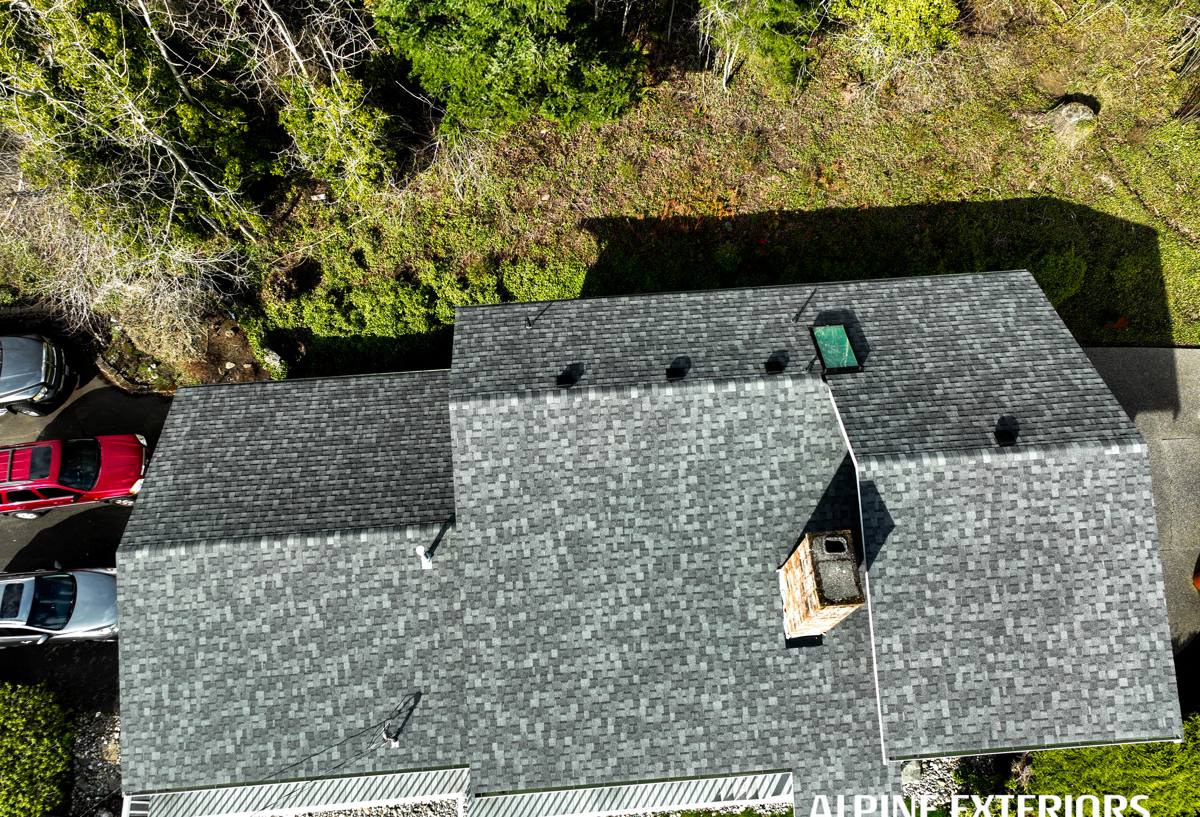
What This Climate Does to a Roof
Four things wear on a Bayshore Gardens roof harder than most places inland:
Hurricane-Force Wind
Manatee County sits in an active hurricane corridor, and homes this close to the bay catch wind with less buffering from tree lines or elevation than you'd get further inland. Shingle uplift starts at the edges and corners of a roof — if the starter strip, nailing pattern, or edge flashing wasn't done right, that's exactly where a storm finds the weak point first.
Year-Round UV
Florida sun doesn't take a season off. Asphalt shingles rely on their granule coating to block UV and hold the asphalt mat together underneath. Constant, high-angle sun accelerates granule loss and asphalt embrittlement, which is why a shingle rated for 25-30 years elsewhere may not stretch that far here without a roof built for the exposure.
Wind-Driven Rain
It's rarely rain falling straight down. Bay-adjacent wind patterns push rain sideways and underneath shingle edges, which is a underlayment and flashing problem more than a shingle problem. A roof can have the right shingle and still leak if the water management underneath it was rushed.
Salt Air
Salt in the air accelerates corrosion on every metal component of a roof — nails, flashing, drip edge, and any exposed fasteners. Standard-grade fasteners can start rusting years before a bayfront roof's shingles are due for replacement, which is why fastener and flashing material matters as much as the shingle brand.
Choosing a Shingle System for This Neighborhood
Not every asphalt shingle is built the same, and for a home this close to the bay, the wind rating and shingle class matter more than the color or brand name. Here's how the common options compare for Bayshore Gardens conditions:
| Shingle Type | Typical Wind Rating | Fit for Bayshore Gardens |
|---|---|---|
| 3-tab shingles | 60-70 mph | Lower cost, but the thinner profile and lower wind rating make these a weak match for bay-adjacent wind exposure |
| Standard architectural (laminate) | 110-130 mph | The common choice for this area — heavier profile, better wind performance, longer expected service life |
| High-wind / impact-rated architectural | 130-150+ mph | Worth the upgrade for homes with more open bay or water exposure, or for owners who want the strongest install available |
We don't install 3-tab shingles on bayfront or near-bayfront homes as our professional standard — the wind performance gap is real, and it's not worth the callback or the storm damage down the road. Architectural shingles cost more upfront but hold their nailing line, resist uplift better, and simply last longer in this kind of exposure.
What a Correct Installation Actually Involves
The shingle brand you pick matters less than what happens underneath and around it. On every Bayshore Gardens roof, a correct installation covers:
Underlayment
Synthetic underlayment rated for high-wind, high-moisture climates goes down first, with self-adhering waterproof membrane at the eaves, valleys, and any low-slope sections where wind-driven rain is most likely to find a way in.
Nailing Pattern
Manufacturer wind-rating warranties are only valid if the nailing pattern matches the spec — correct nail count, correct placement, and nails driven flush (not overdriven or underdriven). This is the single most common shortcut on a rushed install, and it's the first thing that fails in a storm.
Flashing and Fasteners
Given the salt air here, we use corrosion-resistant flashing and fasteners rather than the cheapest standard-grade hardware. It costs a little more at install and saves a homeowner from early rust streaks and failed flashing seams years before the shingles themselves are due.
Ventilation
A hot, poorly ventilated attic bakes shingles from underneath and shortens their life regardless of what's happening outside. Ridge and soffit ventilation sized correctly for the roof keeps attic temperatures down and protects the shingle warranty.
Drip Edge and Starter Strip
Edges and corners are where wind uplift starts. A proper metal drip edge and a correctly adhered starter strip at all edges give the wind nothing to grab.
Signs a Bayshore Gardens Roof Needs Attention
Because of the combined UV, wind, and salt exposure here, we recommend homeowners in this neighborhood check their roof more often than the "once a year" advice you'll see for less exposed areas. Watch for:
- Granules collecting in gutters or at downspout outlets
- Shingles that look curled, cupped, or lifted at the edges
- Rust streaking near flashing, vents, or metal fasteners
- Soft spots or sagging when walked or viewed from the ground
- Water stains on interior ceilings, especially after wind-driven rain
- Missing or displaced shingles after any named storm or high-wind event
- Visible daylight through the attic decking
Any one of these is worth a call before it becomes a full leak or an insurance claim.
How We Handle a Job in Bayshore Gardens
The process is straightforward, and we keep it that way on purpose:
- Inspection. We walk the roof (or use a lift when pitch or access calls for it) and check decking, flashing, ventilation, and shingle condition — not just a glance from the driveway.
- Honest scope and estimate. We tell you what actually needs to happen — full replacement, partial repair, or targeted flashing/ventilation fixes — with a written estimate before any work starts.
- Permitting. Roof work in Manatee County requires a permit and inspection; we handle that paperwork so you don't have to chase it down.
- Tear-off and decking check. Old shingles come off completely so we can inspect the decking underneath for rot or soft spots before anything new goes down.
- Underlayment, flashing, and shingle install. Done to the manufacturer's wind-rated spec, with corrosion-resistant hardware appropriate for this bay-adjacent air.
- Cleanup and magnetic sweep. Job site and yard cleared of debris and stray nails before we call it done.
- Final walkthrough. We go over the finished roof with you directly, not just hand you an invoice.
Maintenance and Storm Prep
A correctly installed roof still benefits from basic upkeep, especially given how much this area's climate asks of it:
| Task | Why It Matters Here |
|---|---|
| Gutter cleaning | Clogged gutters back water up under shingle edges during wind-driven rain |
| Post-storm visual check | Catches lifted or missing shingles before the next rain event finds the gap |
| Trim overhanging branches | Reduces abrasion damage and debris buildup that holds moisture against shingles |
| Flashing and fastener check | Salt air corrosion shows up on metal components well before shingle failure |
| Attic ventilation check | Confirms vents are clear and airflow is doing its job as UV load builds through summer |
Why a Local Crew Matters Here
A roofing crew that already works Bayshore Gardens knows the wind exposure, the salt air corrosion pattern, and the Manatee County permitting process without having to learn it on your roof. That familiarity shows up in small decisions — the fastener grade we default to, the flashing detail we don't skip, the ventilation check we do without being asked — that add up to a roof that's actually built for where it sits, not just built to a generic spec.
It also means we're not far away if a question comes up after the job is done, or if a storm rolls through and you want a roof checked before small damage becomes a bigger problem.
Cost Factors for Asphalt Shingle Roofing in Bayshore Gardens
Every roof is priced on its own specifics, but the main factors that move the number for a bay-adjacent Bradenton home are:
| Factor | Impact on Cost |
|---|---|
| Roof size and number of facets | More square footage and more valleys/hips mean more material and labor time |
| Shingle class (standard vs. high-wind architectural) | Higher wind-rated shingles cost more per square but reduce storm risk |
| Decking condition | Rot or soft decking found during tear-off adds repair cost before shingles go down |
| Roof pitch and access | Steeper or harder-to-access roofs take longer and may require lift equipment |
| Existing layers | Full tear-off of multiple old layers costs more than a single-layer removal |
We'd rather walk your roof and give you real numbers than throw out a range that doesn't mean much until someone's actually looked at your specific situation. If you're in Bayshore Gardens and want an honest look at what your roof needs, we offer a free, no-pressure estimate — the form below gets you on our schedule.