 Bradenton
 Anna Maria Island's Coastal Climate Is Hard on Roofs
A roof on Anna Maria Island works harder than a roof ten miles inland. The island sits directly on the Gulf, which means salt-laden air moves across every home, every day, all year. That salt attacks exposed fasteners, metal flashing, and vent components faster than it would on the mainland. Add in Florida's intense, near-constant UV exposure and you get shingles, sealants, and underlayments that age faster than their rated lifespan would suggest if they weren't installed with the coast in mind.
Then there's wind. Hurricane season brings the real test — sustained high winds and gusts that find any weak point in a roof system, plus wind-driven rain that gets pushed sideways and upward under edges and flashing that a calmer climate would never stress. A roof that's merely "up to code" in a generic sense can still underperform here if the installer didn't account for the specific combination of salt, sun, and wind that barrier island homes deal with year-round.
None of this means an Anna Maria Island roof has to be a maintenance headache. It means the installation has to be done correctly the first time, with materials and details chosen for this environment rather than a one-size-fits-all approach.
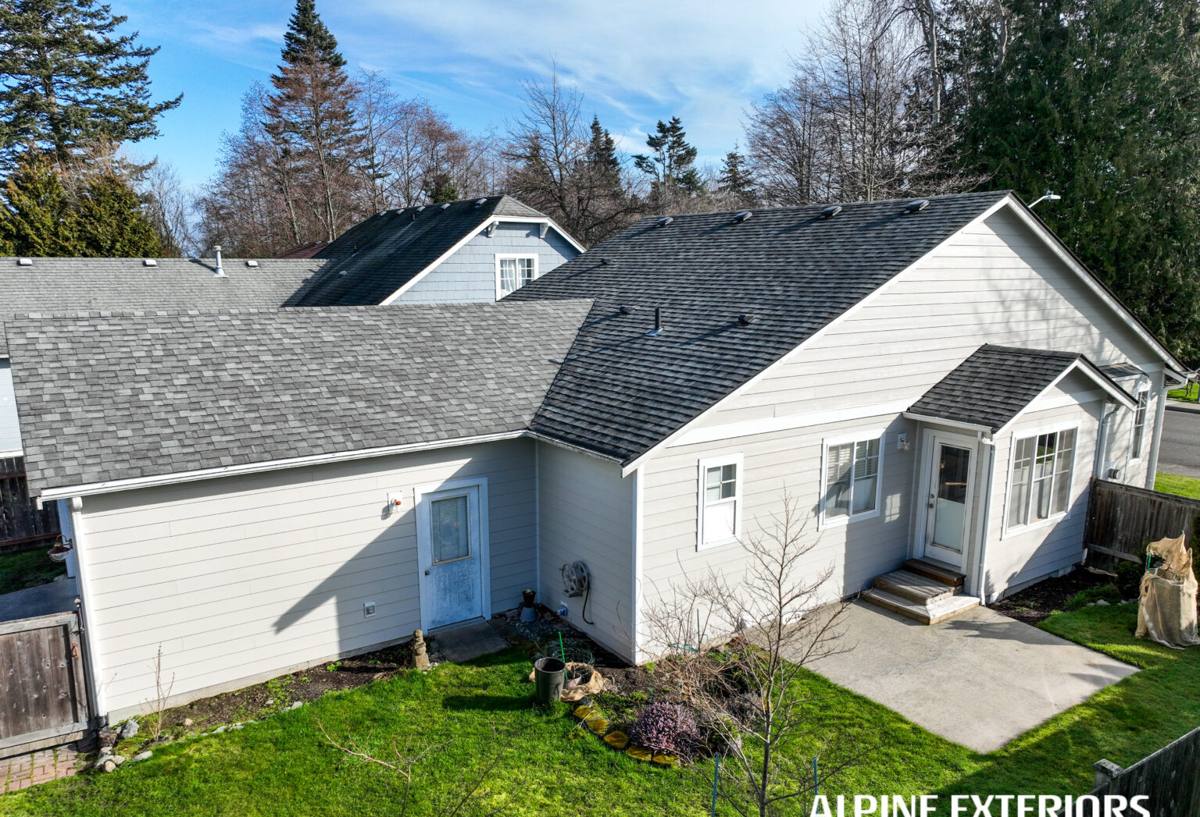
What a New Roof on Anna Maria Island Actually Needs to Get Right
Wind resistance starts at the deck
A new roof is only as strong as what's underneath the visible surface. Before any new material goes down, the roof deck needs to be sound, properly fastened, and free of rot or delamination. On a coastal, hurricane-exposed roof, deck attachment and nailing patterns matter as much as the shingle or panel brand on top — it's the difference between a roof that stays intact in a bad storm and one that doesn't.
Water intrusion control
Wind-driven rain doesn't behave like normal rainfall. It can push water uphill under shingle tabs and around poorly sealed penetrations. That's why underlayment selection, self-adhering membrane at vulnerable areas (valleys, eaves, penetrations), and properly lapped, sealed flashing around every vent pipe, chimney, and wall intersection are not optional upgrades here — they're the baseline for a roof that's supposed to protect a barrier island home.
Ventilation that tolerates humid, salty air
Attics need to breathe, but the vents that let air in and out are also the components most exposed to salt corrosion over time. We select and install ventilation hardware built to hold up in a marine environment, not the cheapest option that happens to meet a minimum code requirement.
Choosing a Roofing Material for Barrier Island Conditions
There's no single "best" roofing material for every home on Anna Maria Island — it depends on your home's style, budget, and how much long-term maintenance you want to take on. Here's an honest comparison of the options we most often install or evaluate for coastal Manatee County homes.
| Material | Wind Performance | Salt Air Durability | Maintenance | Typical Lifespan |
|---|---|---|---|---|
| Architectural asphalt shingle (high wind-rated) | Strong when properly fastened and sealed | Good; use corrosion-resistant fasteners and flashing | Low to moderate | 20-30 years |
| Standing seam metal | Excellent, especially with concealed fasteners | Very good with marine-grade coatings; avoid dissimilar-metal contact | Low | 40-50+ years |
| Concrete or clay tile | Excellent when installed with proper fastening/adhesive systems | Very good; the tile itself doesn't corrode | Moderate (underlayment beneath tile ages and needs eventual replacement) | 30-50 years (tile) / underlayment replaced sooner |
We steer homeowners away from lower-grade fasteners, unrated or economy-tier shingles, and mismatched metal-on-metal contact points (which accelerate galvanic corrosion in salt air) — not because any single product is inherently bad, but because those choices carry real maintenance and failure risk on a barrier island that they wouldn't carry a few miles inland.
Our New Roof Installation Process
Every install follows the same disciplined sequence, whether it's a beach cottage or a larger island home:
- Inspection and tear-off. We remove the old roofing down to the deck so nothing is hidden or covered over.
- Deck evaluation and repair. Any soft, rotted, or delaminated decking is replaced before anything new goes on top.
- Underlayment and self-adhering membrane. Applied at eaves, valleys, and other vulnerable areas for wind-driven rain protection.
- Flashing. New flashing at every wall, chimney, skylight, and vent penetration — this is where most roof leaks actually start.
- Material installation. Shingles, metal panels, or tile installed to the fastening specifications required for our local wind exposure.
- Ventilation and accessories. Ridge vents, boots, and other components installed with corrosion-resistant hardware.
- Final inspection and cleanup. Full walk-through, magnetic nail sweep of the property, and photo documentation of completed work.
Permitting, Wind Mitigation, and Insurance for Anna Maria Island Homes
A new roof on Anna Maria Island requires a permit through the appropriate Manatee County or local building authority, and it will be inspected against current Florida Building Code wind provisions, which are more demanding along the coast than they are further inland. We handle the permit application and coordinate the required inspections as part of the job — you shouldn't have to chase paperwork on top of everything else.
A new roof is also one of the best times to update your wind mitigation inspection. This form documents the wind-resistant features of your roof (fastening method, roof shape, secondary water barrier, and more) and is used by insurers to calculate windstorm premium discounts. After installation, we can provide the documentation your inspector will need to complete an accurate, up-to-date wind mitigation report.
Signs Your Roof Needs Replacement, Not Another Repair
Not every roof problem calls for full replacement, but on an island property exposed to constant salt air and sun, repairs eventually stop being cost-effective. Watch for:
- Granule loss so heavy you can see it collecting in gutters or downspouts
- Shingles that are cupping, curling, or cracking across large sections of the roof
- Multiple past repairs in different areas within a short span of time
- Visible rust or corrosion on flashing, vents, or fasteners
- Soft spots, sagging, or staining on interior ceilings after heavy rain
- A roof approaching or past the upper end of its expected lifespan, especially if it's never been evaluated after a major storm
If you're seeing more than one of these, a full replacement estimate is usually worth getting before you spend more money patching a roof that's telling you it's done.
Why It Matters to Hire a Crew That Already Works Anna Maria Island
Working on a barrier island isn't the same as working anywhere else in Bradenton. Material deliveries and equipment staging have to account for bridge access and limited space, and crews unfamiliar with the island often underestimate how long logistics take, which shows up as delays or rushed work. A crew that's already done roofs here knows how to plan the job so it moves efficiently without cutting corners.
Local experience also means familiarity with the specific permitting process for the island's jurisdiction, realistic expectations around scheduling during snowbird season and peak tourist months, and an understanding of how salt air and coastal wind exposure actually affect material choices in practice — not just in a manufacturer's spec sheet. That kind of on-the-ground knowledge is hard to fake, and it's the reason experience in this exact location is worth asking about when you're vetting a roofing contractor.
What Affects the Cost of a New Roof on the Island
Every roof is priced individually, but these are the main factors that move the number up or down:
| Cost Factor | Why It Matters |
|---|---|
| Roof size and pitch | More square footage and steeper slopes mean more material and labor time |
| Material selection | Asphalt, metal, and tile carry different material and installation costs |
| Number of existing roofing layers | Multiple tear-off layers add labor and disposal costs |
| Decking condition | Rotted or damaged decking discovered during tear-off requires repair before install |
| Access and staging | Island logistics, bridge access, and limited property space can affect crew and delivery planning |
| Code-required upgrades | Bringing older flashing, ventilation, or fastening up to current wind standards |
We give a written estimate that breaks these factors out clearly, so you know what you're paying for and why — not just a bottom-line number.
Caring for Your New Roof in Salt Air
A properly installed roof still benefits from basic upkeep in this environment. Rinse accumulated salt residue off periodically, keep gutters and downspouts clear so water sheds the way it's designed to, and have the roof visually checked after any major storm — not just when you notice a problem. Catching a lifted shingle or a small flashing gap early is a lot cheaper than dealing with the water damage that follows months of it going unnoticed.
If you're weighing a new roof for your Anna Maria Island home, we're happy to take a look and give you a straight, no-pressure estimate — just fill out the form below to get started.